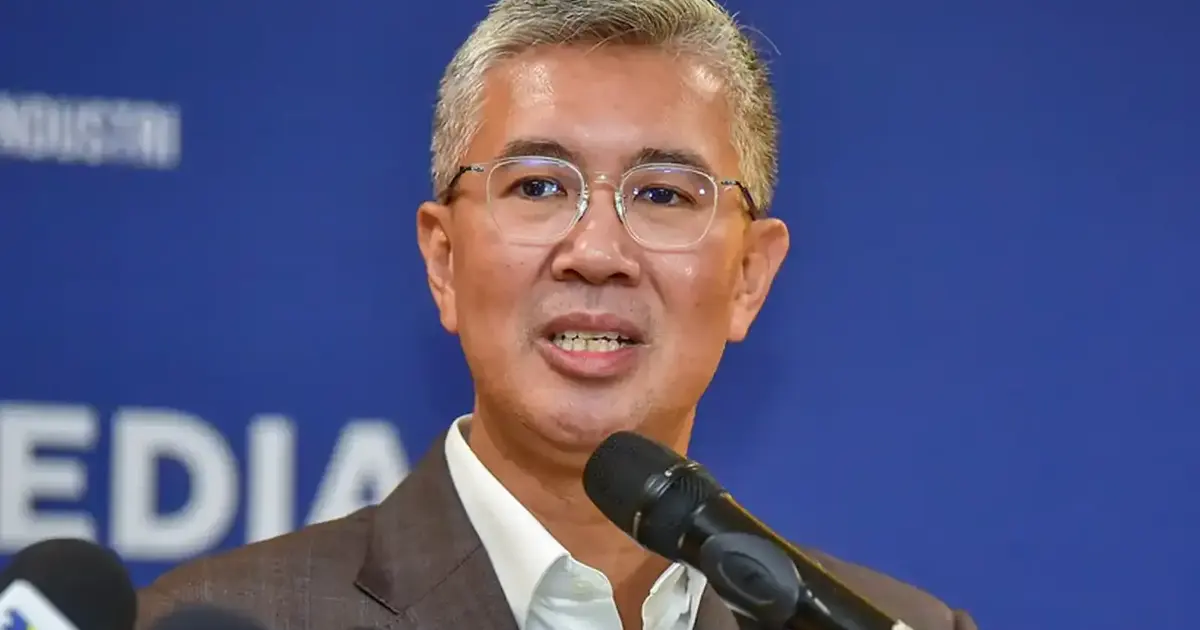
Tengku Zafrul, a prominent figure in Malaysian politics and former government minister, has signalled his intention to return to electoral contest in Selangor for the upcoming general election, though the specific constituency remains unconfirmed. This move comes after a disappointing outing during the previous nationwide polls, when he fought to retain his political seat but was unable to secure victory in a closely watched state race.
The ex-minister's interest in standing for election again reflects the competitive nature of Selangor politics, where constituencies have become increasingly contested between major political coalitions. His stated keenness to run suggests that despite his earlier electoral setback, Tengku Zafrul remains committed to seeking a return to parliament and continuing his involvement in legislative affairs. Such determination is not uncommon among senior politicians who view electoral losses as temporary reverses rather than permanent exits from public office.
In the general election held in 2022, Tengku Zafrul represented Umno in the Kuala Selangor constituency, a seat that has historically been competitive but was expected to remain within the party's grasp. However, his opponent Dzulkefly Ahmad, who holds the position of vice-president within Amanah, managed to defeat him and secure the mandate of local voters. This outcome was particularly significant given Umno's traditional strength in many Selangor constituencies and the broader political realignment that occurred during that electoral cycle.
The loss to Dzulkefly Ahmad underscored shifting voter preferences in certain formerly reliable party strongholds, particularly as Amanah continued to consolidate support in specific areas. Kuala Selangor, which encompasses urban, semi-urban and rural communities, proved receptive to Amanah's message and campaign strategy. The result reflected broader trends in Malaysian electoral politics, where incumbency and party machinery no longer guarantee automatic victory, and voter sentiment can swing based on local issues, candidate appeal, and the broader political climate.
Tengku Zafrul's determination to contest again despite this defeat demonstrates the resilience expected of senior party figures in Malaysian politics. The decision to pursue another seat, rather than retire from electoral politics altogether, sends a message that he views his earlier loss as temporary and believes he still has a significant political contribution to make. Whether Umno will grant him a ticket to contest depends on party strategy and considerations about the most winnable seats in Selangor ahead of GE16.
For Selangor, which consistently produces some of Malaysia's most closely contested elections, the indication that senior figures like Tengku Zafrul wish to contest again highlights the state's continuing political significance. Selangor remains crucial for any coalition seeking to form a federal government, and the state's 86 parliamentary seats represent battlegrounds where major political formations vie intensely for support. The state's diverse electorate, combining urban professionals, manufacturing workers, and agricultural communities, ensures that electoral outcomes remain unpredictable and dependent on nuanced local factors.
The political landscape since GE15 has undergone significant shifts, with the formation of new government coalitions and changing party dynamics. These developments may influence how both Umno and competing parties approach seat allocations and candidate selection for the next general election. Tengku Zafrul's aspirations will need to be accommodated within these broader strategic considerations, and his party may evaluate multiple options regarding where his candidacy could be most effective.
From a Malaysian perspective, Tengku Zafrul's interest in contesting again reflects the highly participatory nature of electoral politics among the country's political elite. Even after defeat, senior figures typically seek opportunities for comeback, viewing electoral cycles as ongoing opportunities rather than final judgments. This pattern has shaped Malaysian politics for decades, where persistence in seeking electoral office remains a defining characteristic of serious politicians.
The Selangor electorate will ultimately decide whether Tengku Zafrul, if selected by Umno, can overcome his previous defeat and return to parliament. His return to the electoral arena, whether in Kuala Selangor or an alternative constituency, will test his political standing among voters and his party's confidence in his ability to win a seat in a state that has become increasingly unpredictable and dynamic.

