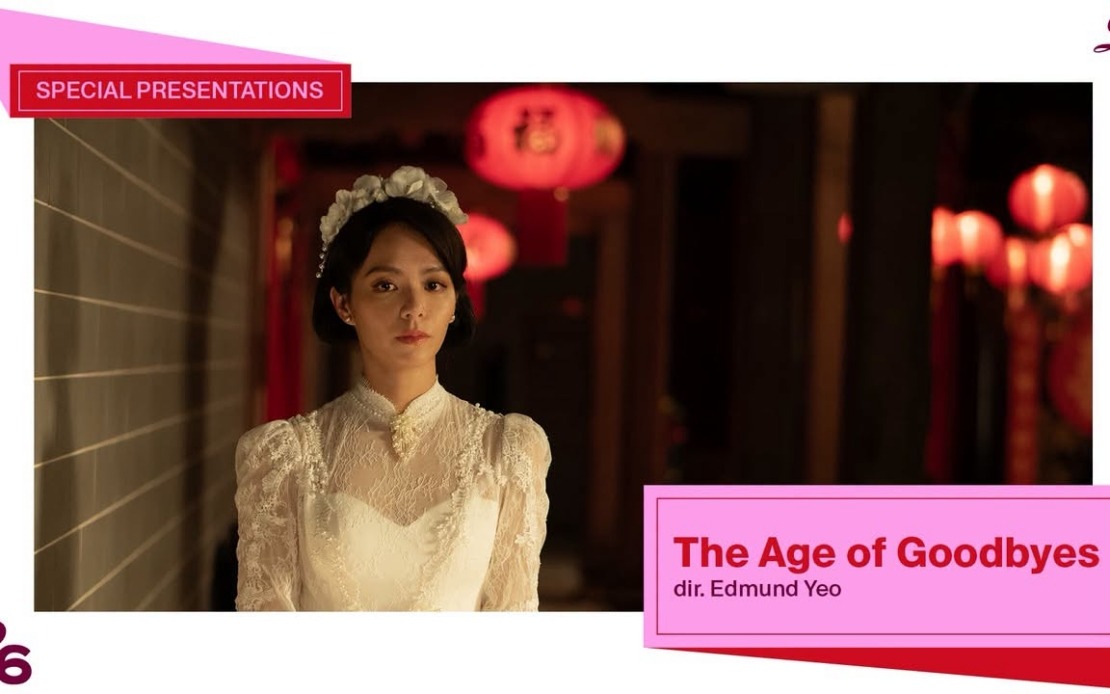
Deputy Communications Minister Teo Nie Ching has extended her congratulations to the creative team behind The Age of Goodbyes following its groundbreaking selection for the Special Presentations section of the Toronto International Film Festival (TIFF), where it will receive its world premiere. The achievement represents a watershed moment for Malaysian cinema, positioning the nation's storytelling capabilities on one of the globe's most prestigious film platforms and drawing international spotlight to the country's burgeoning creative sector.
The film holds multiple distinctions within Malaysia's cinematic landscape. It stands as the first Malaysian production ever selected for TIFF's highly competitive Special Presentations division, a category reserved for films of exceptional artistic merit and cultural significance. Beyond this honour, The Age of Goodbyes represents a pioneering adaptation—Malaysia's first feature film drawn directly from a Malaysian Chinese literary novel, establishing a bridge between the nation's literary heritage and its film industry.
In her Facebook statement, Teo underscored the cultural resonance of this selection, describing it as a validation of Malaysian storytelling on an international stage. The accomplishment carries particular weight given the competitive nature of TIFF, which attracts submissions from filmmakers and production companies across the world. The festival's Special Presentations section specifically seeks films that demonstrate distinctive vision and artistic excellence, making Malaysia's inaugural inclusion a testament to the quality of contemporary local filmmaking.
The production exemplifies the collaborative spirit increasingly defining Malaysian cinema through its Malaysian-Taiwanese co-production framework. Financial backing from the National Film Development Corporation Malaysia, specifically through its Dana Kandungan Kreatif grant programme, proved instrumental in bringing the project to fruition. This support mechanism demonstrates how strategic government investment in creative industries can yield internationally competitive outcomes and enhance Malaysia's cultural standing on the global stage.
Teo highlighted the film's creative ensemble, singling out director Edmund Yeo for his vision, novelist Li Zi Shu whose original work forms the narrative foundation, producer Dennis Lai's stewardship of the project, and actress Vivian Sung for her lead performance. The deputy minister's public recognition of individual contributors reflects the government's commitment to acknowledging artistic excellence and encouraging continued investment in filmmaking talent.
The selection carries implications extending beyond the film industry itself. Malaysian Chinese literature gains elevated visibility through this adaptation, signalling to regional and global audiences the richness of Malaysia's multicultural literary traditions. For aspiring Malaysian writers and filmmakers, the achievement provides tangible evidence that local stories possess universal resonance and can achieve recognition at the world's most respected cultural institutions.
From a broader economic perspective, the TIFF selection generates valuable international exposure for Malaysia's creative economy. The festival attracts major distributors, streaming platforms, and international media, creating distribution opportunities and raising the profile of Malaysian productions. Such visibility can catalyse industry growth, attract foreign investment, and position Malaysia as a viable destination for regional film production.
Teo's statement also underscores the strategic importance of nurturing filmmakers willing to undertake challenging narrative work. Rather than pursuing purely commercial projects, Edmund Yeo and his team engaged in the complex task of translating a literary work to cinema—a process requiring sensitivity to source material while adapting narratives for visual storytelling. This approach enriches Malaysian cinema's artistic range and demonstrates that local productions need not compromise artistic integrity to achieve international success.
The TIFF selection arrives at a moment when Southeast Asian cinema broadly is gaining unprecedented international recognition. Regional films increasingly appear in major festival lineups and secure global distribution agreements. Malaysia's presence in Toronto's Special Presentations section contributes to this regional momentum while establishing the nation as a serious creative player beyond traditional strengths in other industries.
Looking ahead, Teo expressed optimism about the film's prospects beyond Toronto, suggesting confidence that The Age of Goodbyes possesses the narrative depth and emotional resonance to engage diverse international audiences. Festival selections frequently serve as launching pads for subsequent exhibition opportunities, including theatrical releases in key markets and acquisition by streaming platforms seeking distinctive, culturally rooted content.
The accomplishment also validates the Dana Kandungan Kreatif grant programme's effectiveness as a development tool. By supporting projects with genuine artistic merit and commercial potential, such initiatives strengthen Malaysia's creative infrastructure and demonstrate that strategic cultural investment yields measurable returns in terms of global recognition and industry development. This success may influence future funding decisions and encourage expanded support for comparable projects.

