The Bumiputera Agenda Steering Unit (TERAJU) is making a formal case for the 2027 federal budget to prioritise substantial financial allocation towards implementing the Bumiputera Economic Transformation Plan 2035 (PuTERA35), signalling that existing resource commitments may need to expand if the government's decade-long economic empowerment agenda is to meet its ambitious targets.
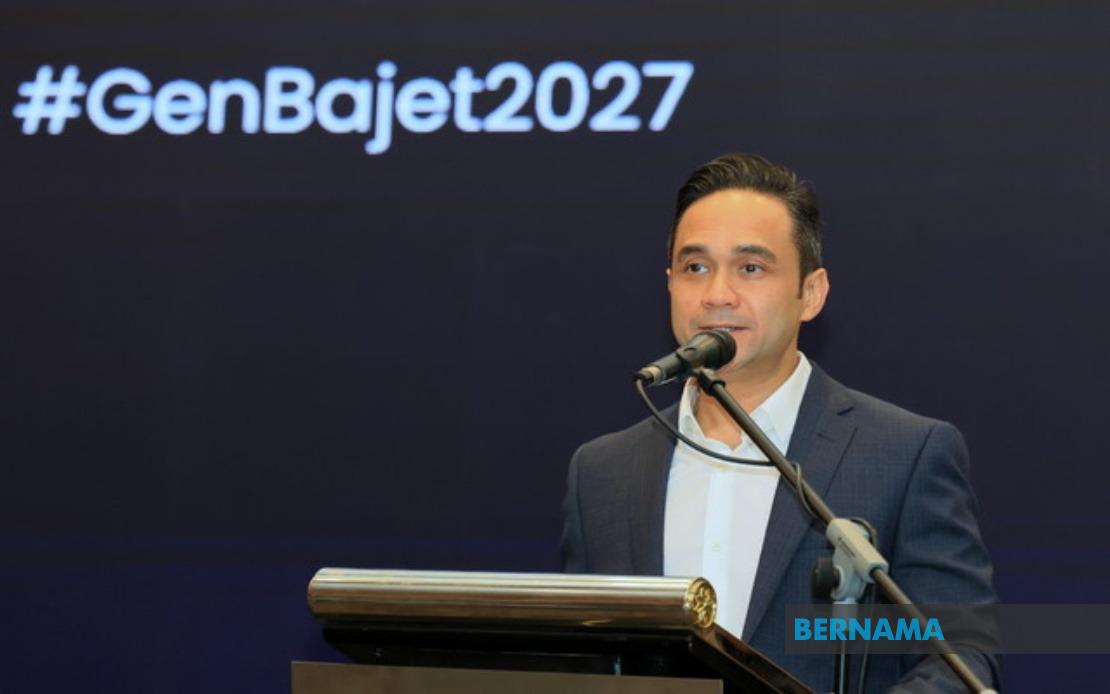
Nik Nazree Nik Abdul Rahman, senior director of TERAJU's Strategic Services Division, emphasised during a media briefing in Cyberjaya that consistent and adequate funding remains the backbone of any successful initiative aimed at uplifting the Bumiputera community's economic position. Without sufficient budgetary support, he suggested, the unit risks falling short on delivery despite robust planning frameworks already in place.
The PuTERA35 blueprint, officially launched on 19 August 2024, represents an intricate long-term strategy spanning a full decade through 2035. The plan encompasses 132 distinct initiatives organised around three foundational pillars and twelve strategic drivers, all designed to systematically increase Bumiputera participation, ownership and effective control across the Malaysian economy. The framework is explicitly aligned with the government's broader MADANI Economy vision, which emphasises inclusive growth and shared prosperity.
Nik Nazree disclosed that TERAJU has currently achieved a 67 per cent implementation rate across the PuTERA35 portfolio, a headline figure that masks a deeper concern about outcomes. He candidly acknowledged that progress metrics do not automatically translate into tangible improvements for Bumiputera entrepreneurs and their families. The real question, he argued, is whether implementation efforts are genuinely translating into stronger Bumiputera enterprises and measurable improvements in socio-economic well-being—a nuance that distinguishes activity from actual impact.
To address this accountability gap, TERAJU intends to release a comprehensive implementation performance report by year-end, allowing stakeholders and policymakers to assess whether the plan's trajectory aligns with its stated objectives after two years of operation. This move suggests an awareness that implementation alone, without rigorous outcome measurement, risks becoming a bureaucratic exercise disconnected from ground-level economic realities.
Among TERAJU's key recommendations for Budget 2027, the unit specifically highlights the energy transition sector as a strategic priority offering new commercial opportunities for Bumiputera-owned businesses. As Malaysia advances its renewable energy targets and green economy transition, TERAJU sees potential for Bumiputera enterprises to capture meaningful value chains within this expanding sector—from manufacturing to services and technology integration.
Equally pressing, according to Nik Nazree, is the need to substantially deepen capital market access for Bumiputera enterprises. Despite two decades of equity-focused development initiatives, TERAJU identifies a significant expansion gap in how effectively Bumiputera businesses leverage financing instruments available through Malaysia's capital markets. Enhanced capacity-building and targeted support mechanisms could unlock substantially greater access to growth capital, he suggested, yet this remains an underdeveloped policy area.
Implementation monitoring occurs through multiple institutional channels, most notably the Bumiputera Economic Council chaired by Prime Minister Datuk Seri Anwar Ibrahim, along with various sectoral working committees. This nested governance structure positions PuTERA35 within the highest echelons of government, underscoring the plan's strategic importance yet also highlighting bureaucratic complexity that may affect execution speed and coordination.
The timing of TERAJU's budget advocacy is significant. With Malaysia navigating elevated fiscal pressures and competing spending demands across health, education and infrastructure, the unit faces the challenge of justifying expanded allocations for a Bumiputera-focused agenda within broader national priorities. However, proponents argue that strengthening Bumiputera economic participation reduces long-term social fragmentation and supports Malaysia's stability narrative—a public policy argument extending beyond economics into social cohesion.
For Malaysian business practitioners and policymakers, TERAJU's position underscores a fundamental tension in Malaysia's development model: the gap between planning sophistication and resource availability. The nation possesses detailed strategic blueprints across most economic domains, yet translating these into lived improvements for target communities frequently encounters budgetary constraints. The question is whether 2027 will mark a genuine recommitment to Bumiputera economic transformation through enhanced investment, or whether tight fiscal conditions will force TERAJU to work within existing resource envelopes.
From a regional perspective, Malaysia's ongoing efforts to advance Bumiputera participation in the formal economy reflect broader Southeast Asian themes around inclusive growth and managing ethnic economic diversification. How successfully PuTERA35 unfolds will offer insights into governance effectiveness across the region, particularly around long-term strategic implementation in developing economies competing for scarce public resources and investor attention.
The release of the PuTERA35 performance report later this year will provide concrete evidence of whether current implementation efforts are meeting objectives or whether more fundamental adjustments—including budget reallocations—are needed to keep the 2035 vision achievable.

