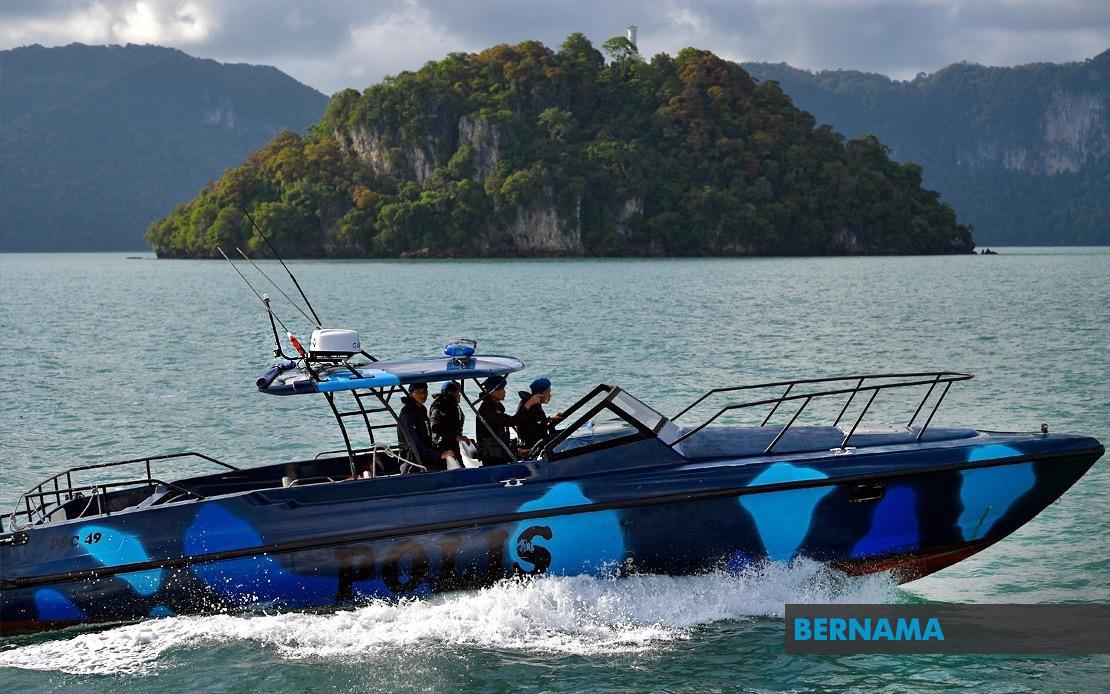
The Terengganu state government is preparing a three-day engagement session in late August to confront what it describes as a growing threat to Pulau Redang's marine ecosystems. Datuk Razali Idris, who chairs the state's Tourism, Culture, Environment and Climate Change Committee, announced that the forum, running from August 26 to 28, will bring together boat operators, tourism businesses, and government enforcement agencies to dissect the problem of coral reef degradation at the island. The initiative marks an attempt to move beyond rhetoric and into substantive dialogue about protecting one of Malaysia's most significant marine assets.
According to Razali, allegations centre on day-trip operators whose vessels have anchored in restricted zones, causing mechanical damage to living coral colonies that form the foundation of the island's marine biodiversity. The engagement session will serve a dual purpose: establishing the precise mechanisms driving the damage and identifying regulatory gaps that have allowed violations to persist unchecked. Rather than functioning as a conventional forum where participants air views and depart, Terengganu officials intend to use the gathering as a springboard for implementing tougher compliance measures against those found breaching environmental protocols.
Razali's public commentary reflects visible frustration with what he characterises as irresponsible profit-seeking at the expense of conservation. He emphasised that coral reef systems represent decades, sometimes centuries, of biological accumulation—a timeline that casual destruction undermines catastrophically. The official's framing of the issue positions environmental stewardship as a shared obligation rather than a burden falling solely on government regulators. This rhetorical stance signals that Terengganu intends to hold private operators accountable for their role in ecosystem degradation, not merely manage the consequences after damage occurs.
The state government is actively considering structural reforms to how day-trip operations function around Pulau Redang. Proposals under review include fundamentally reconsidering the permits issued to boat operators, potentially tightening conditions under which such permissions are granted or renewed. Complementing this approach, Terengganu is examining whether existing penalty frameworks adequately deter violations. Current fines may be insufficient to change operator behaviour when the cost of compliance exceeds the financial consequences of non-compliance. Heavier penalties could reshape the economic calculus that day-trip providers navigate when deciding whether to follow or ignore anchoring restrictions.
The positioning of Pulau Redang as a state treasure reflects broader concerns across Southeast Asia about balancing economic development with marine conservation. As an island drawing significant tourism revenue—a sector crucial to Terengganu's economy—there exists inherent tension between maximising visitor numbers and protecting the coral ecosystems that attract tourists initially. This contradiction lies at the heart of the engagement session's mandate. Officials must simultaneously sustain tourism livelihoods and enforce environmental limits that constrain growth in visitor volume or operational flexibility for boat companies.
Razali's unequivocal statement that the state will not compromise with violators signals willingness to accept short-term economic disruption for long-term ecological preservation. Such positioning is noteworthy given that tourism operators often wield considerable political influence in regions where their sector dominates economic activity. By publicly committing to non-negotiable enforcement, Terengganu's tourism committee signals that environmental concerns have achieved sufficient political salience to override accommodation with industry preferences. This represents a potential shift in how state governments calibrate competing pressures.
The focus on day-trip boats specifically suggests that anchor damage from recreational vessels represents the primary identified culprit in coral degradation. Day-trip operators typically maximise daily excursions, potentially cycling through anchoring sites multiple times and depositing anchors across broader reef areas than would occur with fewer visits. Unlike longer-stay resort operations, day-trip models generate pressure to process high passenger volumes efficiently, which can conflict with deliberate, ecologically sensitive mooring practices. Understanding and addressing this particular operational model is therefore central to any comprehensive solution.
Enforcement weaknesses that the August session will examine likely encompass inadequate monitoring of anchoring activities, insufficient staff capacity to patrol restricted zones consistently, and gaps between regulation on paper and implementation in practice. Maritime enforcement across dispersed island zones presents genuine logistical challenges in a state like Terengganu, where limited resources must cover extensive coastal areas. Identifying and addressing these enforcement bottlenecks is prerequisite to translating policy commitments into measurable environmental outcomes. Without credible enforcement capacity, even well-intentioned regulations become advisory suggestions that operators can safely ignore.
The timing of this initiative reflects mounting pressure on Malaysian authorities to demonstrate commitment to marine conservation as climate change and coastal development intensify threats to reef ecosystems. Pulau Redang's status as a premium tourism destination and protected area makes it a symbolic test case for whether state governments can effectively manage competing environmental and economic imperatives. International attention on Southeast Asian coral degradation also creates reputational stakes; failure to address preventable damage risks damaging Malaysia's positioning as an environmentally conscious tourism destination.
From a governance perspective, the engagement session approach acknowledges that sustainable marine management requires buy-in from commercial operators themselves, not merely external regulation imposed against industry resistance. By convening stakeholders and collaboratively examining problems, Terengganu creates space for operators to understand enforcement intentions and potentially suggest compliant operational adjustments that preserve their viability. This collaborative approach can prove more durable than confrontational enforcement alone, particularly when violations stem from ambiguous regulations or operational practices not explicitly prohibited until recently highlighted as problematic.
The broader implications for Malaysian tourism extend beyond Pulau Redang. As Southeast Asian destinations increasingly confront degradation of marine attractions that underpin their tourism brands, state governments face difficult choices about growth limits and environmental protections. Terengganu's approach—combining stakeholder engagement, permit reconsideration, and enhanced penalties—could establish a template for other regions navigating similar tensions. Success or failure here will inform how other Malaysian states and neighbouring countries balance tourism development with marine ecosystem preservation as pressures mount.

