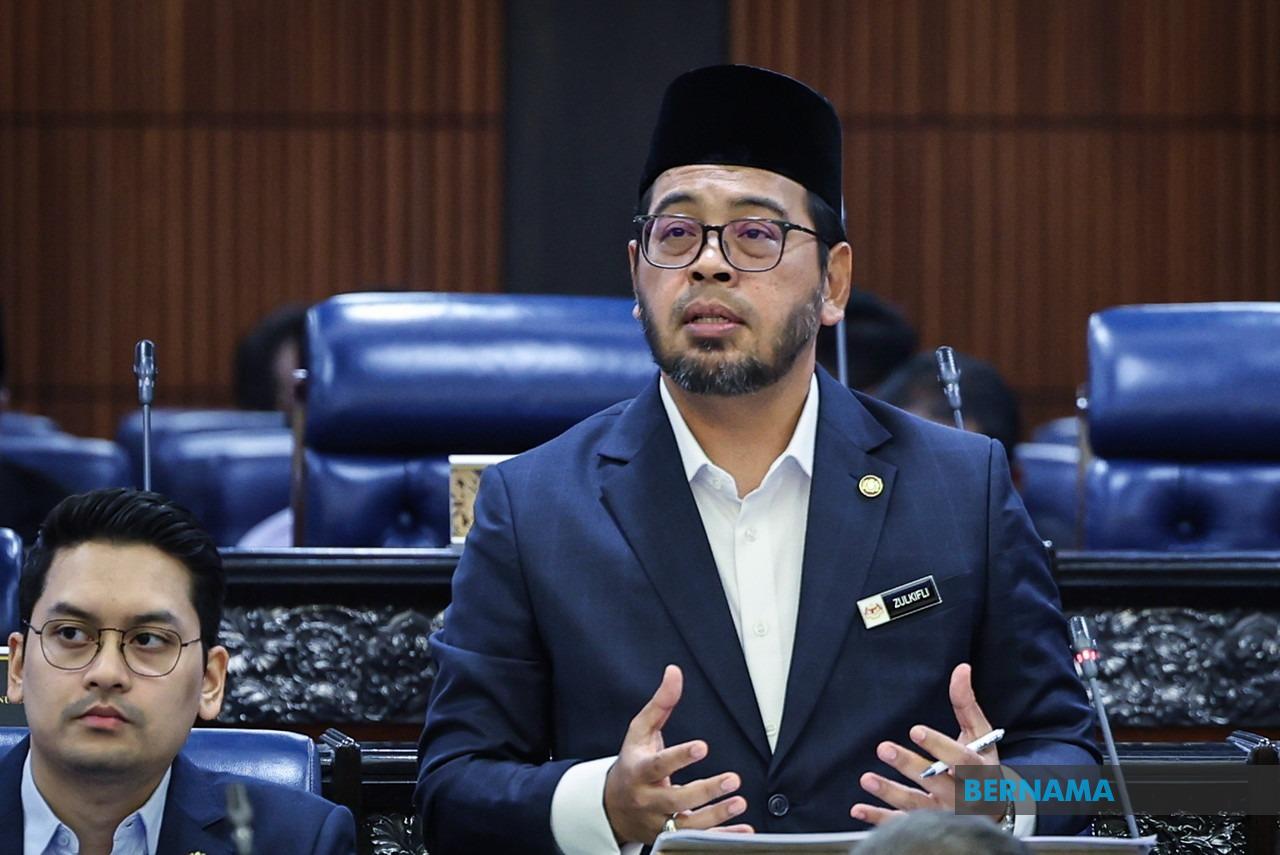
The Malaysian government is set to introduce significant amendments to the Tabung Haji Act 1995 designed to overhaul financial reporting requirements and governance structures at the Islamic pilgrimage fund, following damaging findings from a Royal Commission of Inquiry. Minister in the Prime Minister's Department (Religious Affairs) Dr Zulkifli Hasan outlined the proposed changes during a parliamentary sitting, signalling the government's determination to prevent a recurrence of the issues that plagued TH's operations over a six-year period through 2020.
The RCI's 211-page report, released publicly on July 29, exposed significant management and operational deficiencies that had eroded public confidence in one of Malaysia's largest religious institutions. The proposed legislative reforms represent a comprehensive response to the inquiry's recommendations, incorporating stricter accounting standards, explicit penalties for financial statement misreporting, and clearer legal definitions of TH's obligations to stakeholders. These changes are particularly significant for the approximately 10 million TH contributors and their families, whose savings and pilgrimage allocations depend on the fund's sound management and transparent operations.
Central to the restructuring is a fundamental reorganisation of TH's regulatory oversight. A task force comprising the TH chairman, Bank Negara Malaysia governor, and Securities Commission chairman has already agreed that TH's fund management and investment activities should fall under Securities Commission regulation, while pilgrimage administration remains under the religious affairs ministry. This separation of duties addresses a critical vulnerability identified by the RCI: the concentration of operational and financial decision-making that enabled poor investment choices and inadequate risk management. The arrangement ensures TH continues functioning as a single integrated entity while subjecting its substantial investment portfolio to rigorous capital markets oversight.
The financial reporting improvements mark a departure from past practice. TH will now operate under prescribed accounting standards with transparent profit distribution mechanisms based on audited annual statements, a practice the institution has followed since 2022. The RCI had specifically criticised vague profit calculation methodologies that obscured the true financial performance from contributors and regulators alike. The new framework establishes clear, enforceable rules preventing the kind of opaque reporting that previously complicated the assessment of TH's investment performance and asset management.
The government has also moved decisively on executive compensation, a major point of contention raised by the RCI. TH previously awarded excessively generous bonuses that bore little relationship to institutional performance or market norms. The revised policy links bonuses to overall financial results and measurable key performance indicators, with approvals required from both religious affairs and finance ministers. This dual-approval mechanism builds institutional checks against excessive self-dealing and ensures bonuses reflect genuine organisational achievements rather than executive discretion.
Governance reforms extend to board composition and appointment procedures, addressing the RCI's concerns about political interference and insufficient expertise. The amendments will establish explicit eligibility criteria and competency-based selection procedures ensuring future board members possess relevant technical knowledge and integrity credentials. Dr Zulkifli specifically noted that the government will implement a prohibition preventing active politicians from serving as chairman or board members, a structural change eliminating the political patronage dynamics that previously influenced TH leadership appointments.
The fitness and propriety framework being adopted aligns TH governance standards with those enforced by Bank Negara Malaysia, bringing the pilgrimage fund into line with international best practices for financial institutions. This framework emphasises integrity, capability, and relevant experience rather than political connection or seniority. TH's leadership team will be selected from Malaysia's available pool of competent technocrats and professional managers, many of whom possess international financial expertise and have demonstrated success in complex institutional settings.
These reforms carry particular significance for Malaysian Islam and the integrity of Islamic finance administration. TH occupies a unique position managing both a mandatory savings scheme and one of the world's largest organised pilgrimage operations, handling funds that represent substantial personal religious commitments by contributors. The RCI findings had troubled many Muslim Malaysians, as poor stewardship of Islamic institutions contradicts fundamental ethical principles embedded in Islamic jurisprudence. The proposed amendments directly address this concern by institutionalising transparency, professional management, and accountability mechanisms that restore public trust.
The broader Southeast Asian context matters too. Malaysia's experience with TH has implications for how other Muslim-majority nations structure Islamic financial institutions. TH's troubles demonstrated how political interference, weak regulatory frameworks, and inadequate transparency can undermine even well-intentioned institutions serving millions. The amendments represent Malaysia's attempt to demonstrate that such problems are correctable through robust legal reform and institutional restructuring, potentially offering lessons for regional peers developing their own Islamic financial systems.
The parliamentary sitting provided an opportunity for MPs to scrutinise the RCI report and government response, with Dr Zulkifli and Finance Minister II Datuk Seri Amir Hamzah Azizan scheduled to wind up debate. This public scrutiny of previously embargoed findings demonstrates transparency in addressing institutional failure, a significant shift from earlier official secrecy that had frustrated public accountability efforts. The government's decision to release the full 211-page report reflected changed political circumstances and perhaps recognition that sustained public confidence in TH requires candid acknowledgment of past problems.
Implementation timelines remain important considerations. While specific legislative schedules were not announced, the government's establishment of a task force and clear articulation of structural changes suggest movement toward parliamentary submission of amendment proposals in coming months. Contributors will be watching closely for evidence that these legislative and regulatory reforms translate into genuine operational improvements, particularly regarding investment transparency and consistency of returns compared to comparable savings vehicles.
The RCI process itself represented an important institutional accountability mechanism, one that many Malaysian public institutions lack. The inquiry's willingness to examine a sensitive religious institution and the government's decision to publicly release findings set precedents for institutional oversight that extend beyond TH. Whether similar mechanisms might apply to other large public institutions remains an open question, but the TH experience demonstrates both the necessity of rigorous institutional auditing and the possibility of meaningful reform when serious problems are comprehensively investigated.

