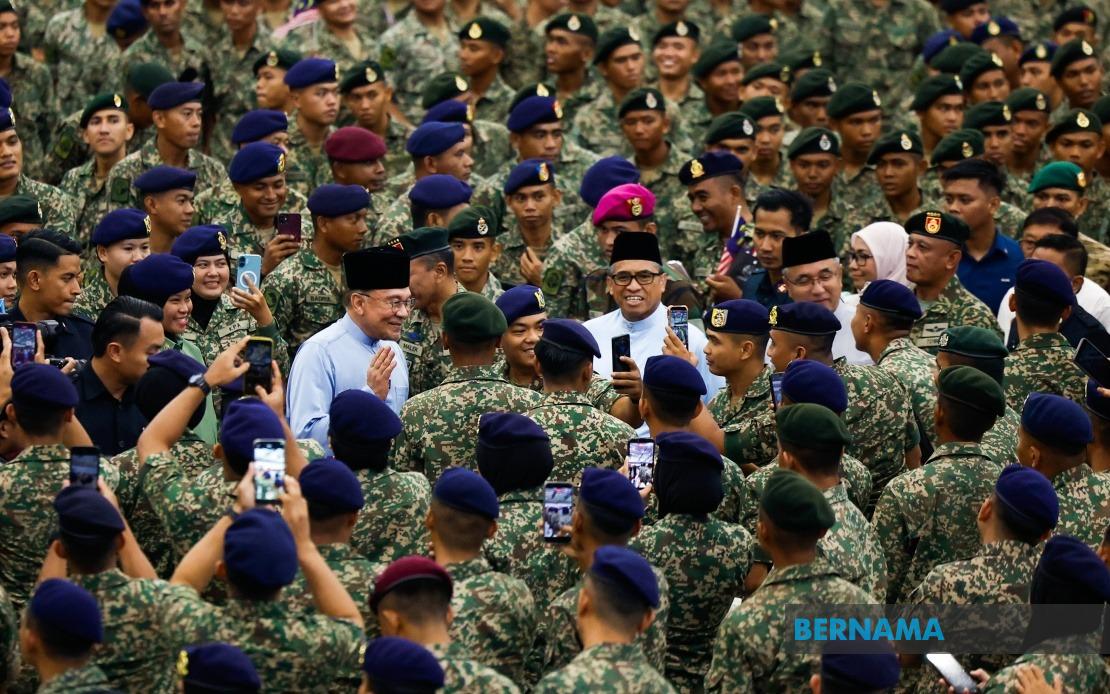
Prime Minister Datuk Seri Anwar Ibrahim has clarified why the Royal Commission of Inquiry report into Lembaga Tabung Haji remained withheld for three years, attributing the decision to the government's need to preserve public confidence in the institution. Speaking in Port Dickson on July 24, Anwar explained that releasing the sensitive findings earlier could have sparked widespread concern among the fund's millions of depositors, potentially triggering mass withdrawals that would have jeopardised TH's financial stability and operations.
The strategic timing of disclosure reflects a delicate balance between transparency and institutional stewardship. Anwar acknowledged that while secrecy runs counter to democratic principles, circumstances at the time necessitated restraint. Had the public immediately learned of the inquiries' findings regarding alleged improprieties connected to the sale of TH's strategic assets, he argued, confidence in the pilgrims' fund could have evaporated rapidly. For an institution holding savings of ordinary Muslims preparing for the hajj pilgrimage, such a loss of faith could have cascaded into severe financial consequences affecting millions across Malaysia and potentially destabilising the broader financial ecosystem.
The Prime Minister emphasised that the calculus has now shifted fundamentally. Under new leadership headed by Tan Sri Abdul Rashid Hussain, TH has undergone substantial institutional reform and returned to financial stability. Anwar highlighted that the pilgrims' fund has recently earned international recognition, receiving the Best Haj Management award for the current hajj season. This demonstrable recovery, he suggested, now provides the necessary foundation for candid disclosure without risking the panic that would have been inevitable three years ago.
Anwar reiterated the MADANI Government's commitment to institutional integrity and strong governance frameworks. He positioned the eventual publication of the RCI report as consistent with the administration's broader stance against abuse of power and emphasis on protecting institutions that serve the public interest. The government's approach, he contended, prioritises safeguarding entities entrusted with the financial and spiritual interests of the Muslim community and other groups like FELDA members who depend on TH's stewardship.
The announcement drew both support and criticism from the government's coalition partners. The statement from the ruling Pakatan Harapan alliance representatives—Amanah secretary-general Muhammad Faiz Fadzil, DAP national vice-chairman Syahredzan Johan, and PKR deputy secretary-general Saifuddin Shafi Muhammad—affirmed that public disclosure serves the greater good. These coalition partners argued that transparency and accountability form the bedrock of democratic governance, and that Malaysians deserve comprehensive answers to outstanding questions about TH's operations based on the official inquiry findings.
The division within Pakatan Harapan's own ranks highlights the tension between democratic accountability and pragmatic governance in Malaysia's political landscape. While the coalition partners supported release, they suggested that the Cabinet should formally deliberate and authorise publication rather than the Prime Minister acting unilaterally. This procedural emphasis reflects awareness that such decisions carry constitutional and institutional weight and should not bypass collective executive decision-making.
Anwar indicated that the government stood ready to release the completed RCI report imminently, though he remained non-committal about whether Cabinet approval would be sought before publication. He tasked the Chief Secretary to the Government, Tan Sri Shamsul Azri Abu Bakar, with advising on the procedural requirements. The presence of senior officials including the Deputy Defence Minister, Chief of Defence Forces, and Army Chief at the announcement underscored the gravity the government attaches to the matter, though their specific roles remained unclear.
For ordinary Malaysians with deposits in TH, the delayed disclosure raises important questions about institutional transparency versus public safety. The pilgrims' fund holds billions of ringgit belonging to Malaysians of all income levels who have entrusted their savings for hajj preparations, often representing significant portions of their personal wealth. The government's decision to prioritise stability over immediate disclosure, while understandable from a financial stability perspective, tests the limits of how long state institutions can withhold findings from investigations into potential wrongdoing.
The RCI's focus on TH's sale of strategic assets hints at substantial questions about asset management and corporate governance. Such transactions typically involve significant sums and strategic decisions affecting the fund's long-term viability and earning capacity. Without access to the inquiry's findings, affected depositors and the public have been unable to assess whether institutional leadership acted in their interests or whether systemic weaknesses enabled questionable practices.
The timing of the potential release carries political significance beyond TH itself. It demonstrates whether the MADANI Government can follow through on promises of accountability and good governance without wavering under institutional pressure. For Malaysia's broader democratic maturation, managing the tension between transparency and stability in handling sensitive institutional matters will increasingly define the government's credibility with the electorate.
As TH continues its recovery under new management and the government prepares to unveil the RCI report, observers will watch closely whether the findings vindicate the decision to delay release or reveal information that should have been disclosed earlier. The outcome may shape public and investor confidence not only in the pilgrims' fund but in the government's commitment to genuine accountability across state institutions. The episode underscores how institutional governance, financial stability, and democratic transparency often pull in competing directions, requiring leaders to navigate complex trade-offs with long-term consequences.

