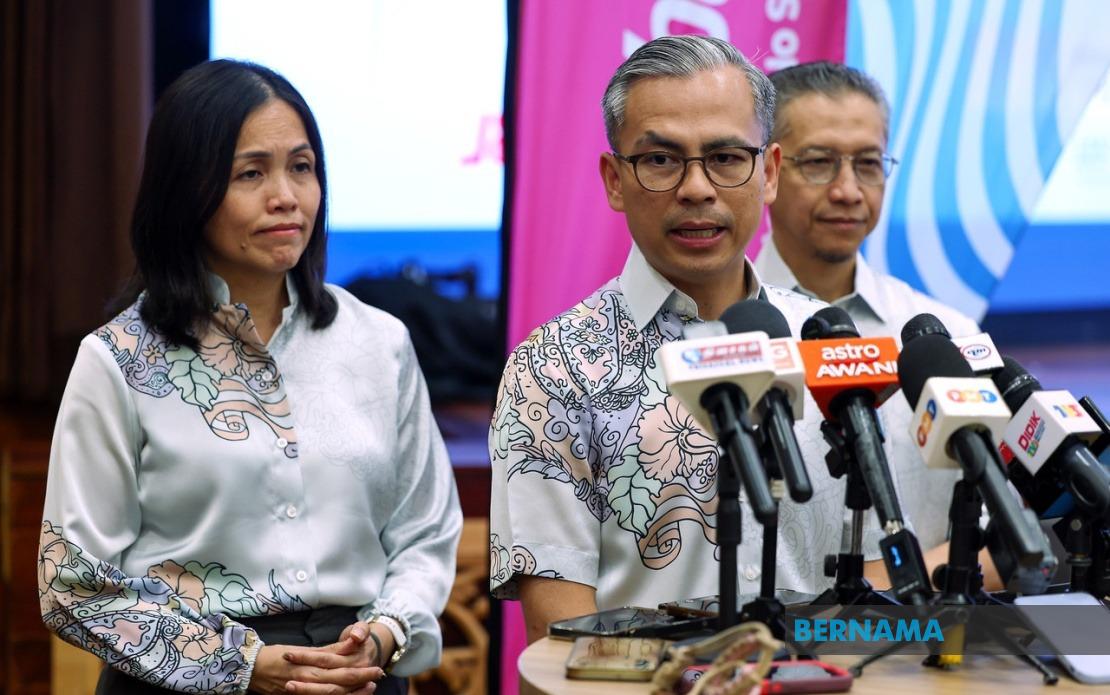
The Royal Commission of Inquiry report examining governance failures at Tabung Haji has been formally referred to multiple government agencies for criminal investigation and regulatory enforcement, Communications Minister Datuk Seri Fahmi Fadzil announced on Tuesday. The referral follows a special parliamentary session where lawmakers debated the commission's findings, with the government preparing to pursue potential charges or violations identified during the inquiry's examination of the pilgrim fund's operations.
Fahmi outlined a comprehensive list of agencies tasked with investigating matters arising from the RCI report. The Royal Malaysia Police will lead any criminal investigations, while the Malaysian Anti-Corruption Commission focuses on potential corruption offences. Additionally, authorities responsible for enforcing the Anti-Money Laundering, Anti-Terrorism Financing and Proceeds of Unlawful Activities Act will examine whether funds were improperly moved or obscured. Bank Negara Malaysia and the Inland Revenue Board round out the enforcement coalition, positioned to investigate financial misconduct and tax irregularities respectively.
The RCI report, made public on July 29, catalogued significant governance deficiencies within Tabung Haji across a seven-year period from 2014 to 2020. The inquiry identified systemic management failures and operational shortcomings that had allowed problematic decision-making to proceed unchecked. The commission recommended 25 corrective measures, with Tabung Haji having already implemented approximately three-quarters of these suggestions by the time the report was released. However, the inquiry's scope ended at 2020, leaving a five-year gap that has prompted calls for continued scrutiny.
The government's decision to widen the investigative net reflects the seriousness with which authorities are treating potential breaches of law. Prime Minister Datuk Seri Anwar Ibrahim had previously signalled that the report would trigger formal investigations rather than remaining an internal governance exercise. This multi-agency approach ensures that different categories of misconduct—whether financial crime, corruption, money laundering, or tax evasion—fall under appropriate jurisdictions. The coordinated effort suggests the government anticipates the RCI findings may implicate behaviour that crosses traditional investigative boundaries.
Parallel to these enforcement moves, there is growing pressure within Parliament to extend the RCI's mandate beyond 2020. Both ruling Pakatan Harapan and opposition Barisan Nasional lawmakers have called for a new commission examining the 2021-2025 period. However, Fahmi clarified that establishing a fresh RCI would require Cabinet approval and, critically, consent from the Yang di-Pertuan Agong, since these inquiries carry royal authority. This constitutional requirement means any extension cannot be a simple administrative decision but must navigate formal processes involving the monarchy.
The timing of these investigations carries political weight in Malaysia's complex coalition landscape. The RCI was originally established in 2021 when members of opposition party PAS and the current Leader of the Opposition, Datuk Seri Hamzah Zainudin, held Cabinet positions. Fahmi noted pointedly that opposition figures who were present when the commission was initiated subsequently boycotted the parliamentary debate on its findings, a move he characterised as avoiding accountability for decisions made when they held power. This parliamentary tactic highlights how Tabung Haji has become a politically charged issue spanning multiple administrations.
The parliamentary debate itself was marked by tension over Prime Minister Anwar Ibrahim's absence. Opposition MPs staged a walkout after Speaker Tan Sri Johari Abdul proceeded with proceedings without the Prime Minister present, refusing to participate in the ministerial briefing delivered by Minister in the Prime Minister's Department (Religious Affairs) Dr Zulkifli Hasan. The boycott reduced the scope of public parliamentary scrutiny, though 39 MPs did participate in the substantive debate. This confrontational dynamic reflects deeper frustrations within opposition ranks about how the government has managed accountability processes.
Tabung Haji itself, as Malaysia's official hajj fund and a significant financial institution managing billions of ringgit in pilgrims' savings, occupies unique importance in the Malaysian financial system. The institution's problems during the 2014-2020 period are particularly concerning given the vulnerable position of pilgrims who entrust their life savings to the organisation. Any malfeasance or negligence directly affects ordinary Malaysians preparing for one of Islam's most important religious obligations. This reality lends particular urgency to thorough investigation and remediation.
For Malaysian investors and pilgrims, the multi-agency investigation represents a belated but necessary accountability mechanism. The implementation of three-quarters of the RCI's 25 recommendations by mid-2024 indicates some organisational responsiveness, yet the referral of findings for criminal investigation suggests wrongdoing that extends beyond mere operational shortcoming. The question of whether individual officials face prosecution will likely dominate headlines as police and MACC investigations proceed. The 2021-2025 period remains unexplored, potentially containing additional governance problems that the current RCI did not examine.
The government's referral strategy also reflects international pressure on Malaysia regarding financial governance and anti-corruption standards. By directing multiple agencies to investigate and potentially prosecute, the administration signals commitment to meeting global standards for oversight of major financial institutions. This is particularly important given Malaysia's previous listing in international money-laundering and corruption indices. The comprehensive investigative response to the Tabung Haji RCI findings demonstrates an intent to address systemic weaknesses identified by independent inquiry.
Moving forward, the outcome of these investigations will determine whether the RCI process produces tangible consequences beyond procedural recommendations. If criminal charges follow, prosecutions could reshape accountability culture within Malaysian public institutions. The government's willingness to pursue investigations across multiple jurisdictions—rather than containing findings within a single agency—suggests confidence that the RCI report contains sufficiently serious allegations to warrant serious enforcement action. How thoroughly and expeditiously these investigations proceed will test Malaysia's commitment to institutional accountability.

