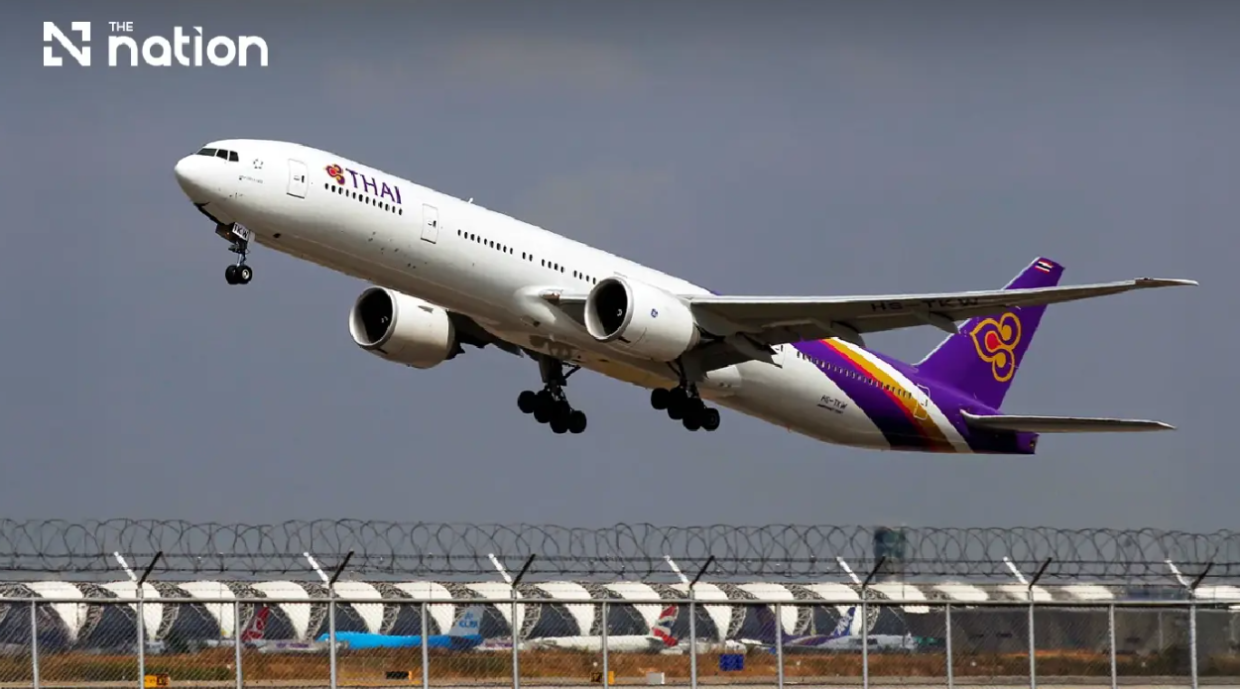
Thai Airways International has moved swiftly to distance itself from a serious drug-smuggling incident that has ensnared one of its employees, with Chief Executive Chai Eamsiri emphasizing the carrier's commitment to working alongside Australian law-enforcement authorities without any interference in judicial proceedings. The pledge comes after a 26-year-old Thai national employed as cabin crew on flight TG465 from Bangkok to Melbourne was apprehended at Melbourne Airport on June 25 following the discovery of heroin in her checked baggage.
The scale of the alleged contraband is substantial, with Australian authorities reporting the seizure of more than one kilogramme of the drug with an estimated street value of A$500,000, equivalent to approximately 11.5 million baht. This quantity places the matter in a serious category under Australian criminal law, with the suspect charged with two offences relating to importing and possessing a marketable quantity of a border-controlled drug. Both charges carry potential maximum sentences of 25 years imprisonment, underscoring the gravity of the allegations. The woman was remanded in custody on June 26 and is scheduled for a subsequent court appearance on September 14 at Melbourne Magistrates' Court.
Within Thailand, Thai Airways has initiated parallel action through its own internal mechanisms, suspending the employee from duty and establishing a fact-finding and disciplinary panel tasked with investigating the circumstances of the case according to company procedures. The airline has set an ambitious timeline for this inquiry, targeting completion within seven days, with the possibility of concluding even earlier depending on the evidence gathered. Should the internal investigation substantiate evidence of wrongdoing, the employee faces the organisation's most severe disciplinary consequence—termination of employment. This decisive internal response reflects the airline's apparent determination to demonstrate accountability and protective standards to stakeholders and regulators.
Chairman Chai acknowledged the substantial reputational damage the incident inflicts upon Thai Airways, a flagship carrier of Thailand's aviation industry. He expressed particular concern that the case could potentially complicate travel procedures for Thai cabin crew members and other Thai nationals seeking to enter Australia, though he expressed confidence that foreign authorities would evaluate individuals on their own merits rather than applying blanket judgments based on a single incident. This concern reflects the legitimate worries of a major international carrier about the collateral consequences of criminal conduct by isolated employees on broader aviation relationships and passenger confidence.
The airline operates with a substantial workforce in cabin services, maintaining a roster exceeding 4,000 cabin crew members alongside more than 1,000 pilots. Chai acknowledged the inherent challenge of maintaining perfect compliance across such a large personnel base despite the existence of comprehensive company policies and procedures. He noted that all flight crew receive mandatory briefings prior to departure covering relevant regulations, lists of prohibited items, and clarifications regarding legal and illegal goods. Despite these safeguards, Chai recognised that individual misconduct can occur, prompting him to instruct relevant departments within the airline to intensify supervisory mechanisms and controls in response to this specific incident.
Thailand's Civil Aviation Authority (CAAT) has also initiated its own oversight response, establishing contact with the airport operator and the airline to gather factual information and conduct procedural reviews. The regulator has confirmed that passenger and baggage screening protocols implemented at Thai airport checkpoints comply with CAAT requirements and align with standards established by the International Civil Aviation Organization (ICAO). CAAT characterised aviation-security screening as primarily designed to prevent the carriage of dangerous items that could jeopardise aircraft safety, passengers, or crew during flight operations. The authority stressed that narcotics interdiction remains the responsibility of law-enforcement agencies operating within both domestic and international frameworks.
The regulatory framework distinguishes between aviation security—which focuses on preventing threats to flight safety—and drug enforcement, which falls under law-enforcement jurisdiction. CAAT noted that effective narcotics control requires coordinated action among multiple agencies across borders. This distinction is particularly relevant in international aviation, where responsibility for detecting smuggling attempts is shared among airport authorities, customs officials, border-control agencies, and law-enforcement bodies. The presence of drugs in checked baggage represents a failure in screening procedures somewhere in the chain of custody, whether at the point of departure, during transport, or at arrival.
For Malaysian and Southeast Asian readers, this incident carries particular significance given the region's prominence as both a transit hub and origin point for international air travel. Malaysia's own aviation sector, dominated by Malaysia Airlines and budget carriers operating extensive regional networks, faces similar vulnerabilities regarding employee conduct and security procedures. The case demonstrates how individual employees can expose entire organisations to serious legal liability, regulatory scrutiny, and reputational harm. The swift internal response by Thai Airways—suspending the employee, launching investigation procedures, and publicly committing to cooperation with foreign authorities—represents a template that other regional carriers might study regarding crisis management and stakeholder communication.
The incident also highlights broader questions about screening effectiveness and compliance in Southeast Asian airports. While CAAT has confirmed that Thai procedures meet international standards, the successful passage of over one kilogramme of heroin through screening systems raises questions about the consistency of implementation or the adequacy of detection methods across different airport facilities. For Malaysian aviation authorities and other regional regulators, the case provides an opportunity to review their own baggage-screening protocols and ensure that technology and procedures keep pace with evolving smuggling techniques. The estimated street value of A$500,000 represents the kind of financial incentive that can motivate employees to take extraordinary risks, making robust oversight and monitoring systems essential.
Thailand faces particular challenges in managing its international aviation reputation given the country's historical associations with drug trafficking and the international drug trade. Thai Airways, as a national carrier and symbol of Thai professional standards, carries responsibility for demonstrating that commercial aviation operations are conducted with integrity and safety consciousness. The carrier's public commitment to cooperation, transparent investigation procedures, and willingness to impose maximum disciplinary penalties appears calculated to reassure both Australian authorities and international partners that isolated criminal acts by individuals do not reflect systemic failures or institutional tolerance for illegal conduct.
The timeframe for resolution remains substantial, with the Australian legal process unlikely to conclude before 2025 given the September court date and the complexity of international drug trafficking cases. During this extended period, Thai Airways must maintain its operational credibility while the internal disciplinary inquiry proceeds in parallel with criminal proceedings. CAAT has indicated that if wrongdoing is confirmed, it may initiate action regarding the crew member's aviation certificate, a measure designed to protect aviation safety standards and preserve international confidence in Thailand's civil aviation oversight. This multi-layered response—involving corporate discipline, law enforcement prosecution, and regulatory oversight—reflects the seriousness with which the international aviation system treats drug smuggling by employees in safety-sensitive positions.

