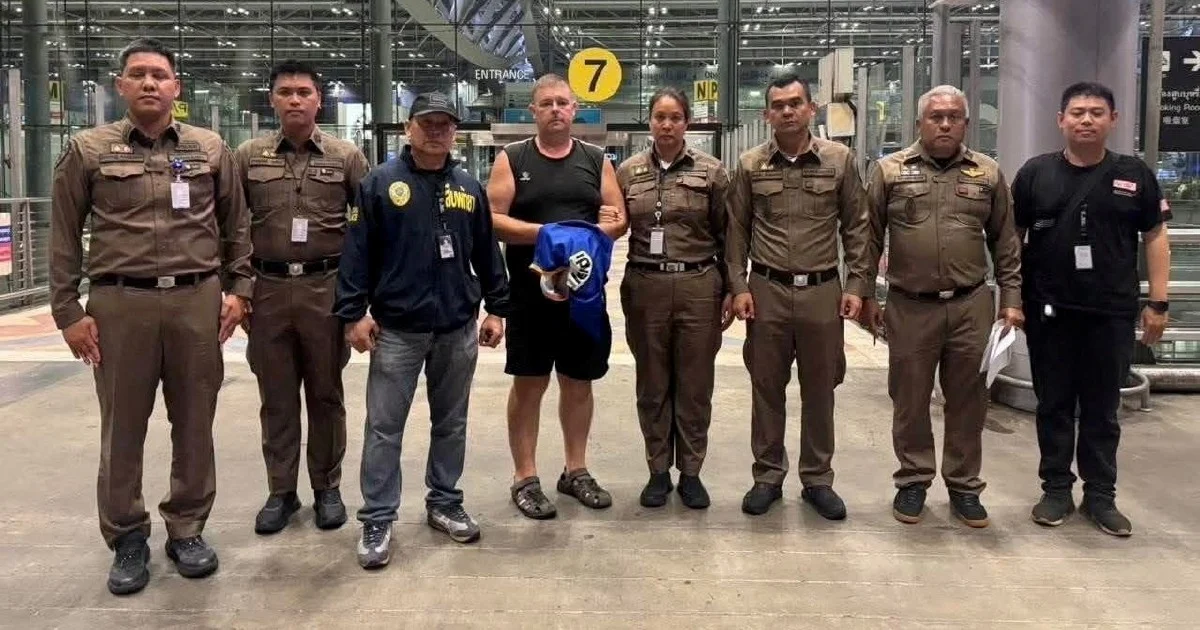
Investigators in Thailand have moved to arrest an Australian man on murder charges following the grim discovery of a 17-year-old Thai girl's body concealed in a suitcase in Pattaya, the eastern coastal city known for tourism and expatriate communities. The victim's family has released statements expressing their profound grief and shock at what has become a high-profile case drawing international attention to the country's broader concerns about foreign residents and personal safety.
The discovery of human remains packed inside luggage prompted a rapid police response and an active criminal investigation that has since culminated in formal charges against the foreign national. Thai law enforcement agencies have been working to establish the circumstances surrounding the girl's death and the subsequent attempt to conceal her body. The case highlights vulnerabilities in how transnational crimes are handled and has sparked discussion among regional security experts about coordination between nations in serious criminal matters.
Pattaya, situated approximately 150 kilometres south of Bangkok, has long served as a magnet for international tourists and expatriates seeking beachfront living and relatively low costs of residence. The city's rapid development as a commercial and leisure destination has created complex demographics where language barriers and cultural differences sometimes complicate interactions between residents and local Thai communities. This particular incident underscores the occasional friction that emerges when foreign nationals and local populations intersect within spaces characterized by significant wealth disparities and transient populations.
The Australian arrest marks one of several recent cases involving Western nationals charged with serious crimes in Thailand. Such incidents have prompted both diplomatic discussions and public debate regarding whether foreigners sometimes operate under assumptions that local legal systems lack the capacity or will to prosecute them effectively. Thai courts have increasingly demonstrated their determination to pursue murder charges regardless of a defendant's nationality, though the international dimension of cases often requires coordination between multiple government agencies.
For Malaysian observers, this case carries particular resonance given the region's interconnected nature and frequent movement of people across Southeast Asia. Thailand remains one of the top destinations for Malaysian tourists and expatriates, and incidents involving crimes against citizens or residents registered in the kingdom raise important questions about personal safety, especially for young people in vulnerable situations. The case also reflects broader regional security challenges that transcend individual borders.
The family's statement of devastation reflects not only the immediate tragedy of losing a child but also the complications that arise when such incidents involve foreign nationals and potentially span multiple jurisdictions. Investigations into international crimes require careful documentation and often necessitate cooperation between Thai authorities and their Australian counterparts to establish evidence and potentially extradite witnesses or documents. The legal complexity adds to families' trauma during an already impossible time.
Thailand's criminal justice system has faced criticism from international human rights organizations regarding investigation procedures and trial standards, though the country has made efforts to modernize police investigative techniques and forensic capabilities. This case will likely be scrutinized by both Thai and international observers monitoring how the kingdom handles serious criminal prosecutions involving foreign nationals. The outcome may influence perceptions about judicial independence and the rule of law in Southeast Asia.
The discovery and investigation process themselves raise important questions about how remains are identified in Thailand, given the nation's experience with both natural disasters and crime scenes requiring advanced forensic analysis. Training and resources dedicated to pathology and DNA identification have improved substantially in recent years, reflecting Thai authorities' recognition that such capabilities are essential for both domestic justice and international credibility.
For expatriate communities across Southeast Asia, including Australians living in Thailand, the arrest sends a signal that serious crimes will not be overlooked regardless of a perpetrator's origin or wealth. However, some foreign residents have expressed concerns about potential biases in how certain cases are investigated or prosecuted, particularly where language barriers might disadvantage defendants or where power dynamics between wealthy foreigners and local witnesses could affect testimony reliability.
The regional implications extend beyond this single case. Malaysia, Thailand, Singapore, and other ASEAN nations have been strengthening law enforcement cooperation through frameworks like the ASEAN Plus Three and broader agreements. This case exemplifies why such mechanisms remain essential—serious crimes increasingly require international coordination, and families deserve assurance that justice systems can operate across borders when necessary to pursue accountability.
As the investigation continues, Thai prosecutors will need to establish motive, opportunity, and means beyond reasonable doubt. The evidence gathered during the initial discovery phase and subsequent forensic analysis will prove crucial in determining whether charges can be sustained through trial. International media coverage of the arrest has already attracted attention to how Thailand prosecutes foreign nationals, making procedural transparency particularly important.
Beyond the immediate legal proceedings, this tragedy underscores vulnerabilities affecting young people in transient communities across Southeast Asia. Whether through trafficking concerns, exploitation by older individuals, or situations where youth lack adequate community protection, the incident raises questions about social support systems and whether warning signs were missed. Regional authorities continue working to strengthen youth protection frameworks and community awareness about risks facing teenagers in vulnerable situations.

