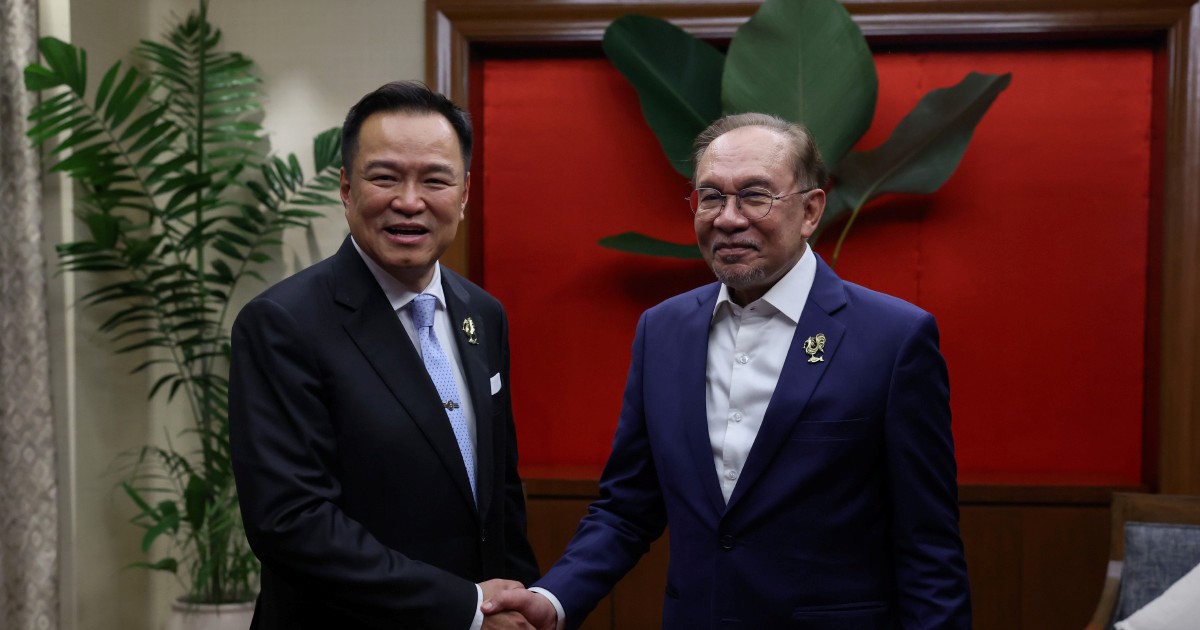
Thai Prime Minister Anutin Charnvirakul will arrive in Malaysia on July 9 for a two-day official visit that underscores the strategic importance both nations place on bilateral relations. The high-level engagement, culminating in formal talks with Prime Minister Datuk Seri Anwar Ibrahim, reflects a broader commitment to addressing shared challenges that extend beyond traditional diplomacy into security and prosperity for both economies.
The timing of this visit carries particular significance in the regional context. Thailand and Malaysia share a maritime border in the Andaman Sea and numerous land crossing points, making cooperation on security matters essential for maintaining stability in Southeast Asia. The two nations have historically worked together on various platforms, from the Association of Southeast Asian Nations to bilateral arrangements, yet the frequency and substance of such high-level visits signal renewed emphasis on deepening ties during a period of regional transition and evolving geopolitical dynamics.
Border security will feature prominently in discussions between the two leaders. The Thailand-Malaysia border region has long grappled with transnational challenges including human trafficking, drug smuggling, and illegal migration—issues that directly impact both nations' law enforcement agencies and national security apparatus. Malaysian authorities have consistently expressed concerns about illicit cross-border activities, while Thailand faces similar pressures from its side. A coordinated approach through enhanced intelligence sharing, joint patrols, and harmonised enforcement protocols could yield meaningful improvements in border management and help both countries address these persistent problems more effectively.
Beyond security considerations, economic cooperation stands as a second pillar of the visit. Thailand represents Malaysia's second-largest trading partner in Southeast Asia, with bilateral commerce encompassing manufactured goods, agricultural products, and services. The two economies are deeply integrated through regional supply chains, particularly in automotive, electronics, and petrochemical sectors. As both nations navigate post-pandemic recovery and adapt to shifting global trade patterns, the visit provides an opportunity to explore trade facilitation measures, investment incentives, and sector-specific partnerships that could boost growth across the border.
The Malaysian government has signalled interest in strengthening ASEAN cohesion and regional economic integration, objectives that align closely with Thailand's strategic priorities. PM Anwar Ibrahim's administration has emphasised inclusive growth and regional stability, themes that resonate with Bangkok's own development agenda. This convergence creates fertile ground for discussions on expanding cooperation through existing frameworks and potentially establishing new mechanisms to address emerging challenges such as digital trade, green energy transition, and supply chain resilience.
Tourist and people-to-people exchanges will likely receive attention during the talks. Thailand and Malaysia together drive a significant portion of intra-ASEAN tourism, and their citizens frequently cross borders for business, education, and leisure. Streamlining visa procedures, enhancing transportation links, and promoting cultural exchanges could unlock additional growth in this sector whilst strengthening social bonds between the two nations. Both governments recognise that tourism recovery remains incomplete post-pandemic, making tourism collaboration a mutually beneficial priority.
Labour mobility and skilled workforce movement represent another dimension of bilateral cooperation worth monitoring. Many Malaysians work in Thailand across various sectors, whilst Thai nationals contribute to Malaysia's workforce particularly in agriculture and hospitality. Structured frameworks governing worker rights, remittance channels, and skills recognition could enhance this dynamic and reduce vulnerabilities both populations face in the current informal system.
The visit also reflects broader regional anxieties about maintaining stability in the face of strategic competition between major powers. Both Thailand and Malaysia must balance their international relationships whilst preserving autonomy and advancing national interests. Enhanced bilateral cooperation serves as a buffer against external pressures and reinforces ASEAN's collective position as a voice for smaller nations in global affairs. This dimension, whilst not explicitly stated in official agendas, invariably influences the substance of such dialogues.
From Malaysia's perspective, strengthening ties with Thailand contributes to the government's broader regional strategy of deepening intra-ASEAN integration and building coalitions around shared interests. The Bukit Kayu Hitam-Hat Yai corridor and the broader northern growth corridor have long been identified as priority areas for integrated development, and high-level political commitment helps translate economic ambitions into concrete initiatives.
Thailand's engagement with Malaysia also serves Bangkok's interests in maintaining its role as a central hub in Southeast Asian affairs. With Myanmar facing political instability and Vietnam and the Philippines managing complex relationships with Beijing, Thailand's steady hand in bilateral diplomacy with Malaysia helps stabilise the regional balance and demonstrates its continued relevance in ASEAN dynamics.
The visit comes amid evolving discussions within ASEAN about regional resilience and autonomy. Both nations have demonstrated commitment to the ASEAN Centrality principle and have worked collaboratively on regional challenges including the Myanmar situation and maritime security concerns. This bilateral engagement complements multilateral efforts and strengthens the collective capacity of the region to manage challenges on its own terms.
Looking forward, the outcomes of these talks will likely shape the bilateral agenda for the remainder of the year. Expected deliverables may include memoranda of understanding on specific sectors, commitments to enhanced border cooperation, or frameworks for regular consultation at both political and technical levels. The success of this visit will be measured not merely by immediate agreements but by whether it catalyses sustained momentum in addressing the complex challenges that both nations face in an increasingly interconnected Southeast Asian landscape.

