A secondary school student in Thailand's Nonthaburi province killed his grandparents at their home before launching a shooting rampage at his school on Friday morning, according to police. The incident at Debsirin Nonthaburi School resulted in seven fatalities, including the suspected shooter, and left 15 others injured. Authorities are now piecing together how the Mathayom 2 student obtained the firearm and what motivations may have driven the tragic sequence of events.
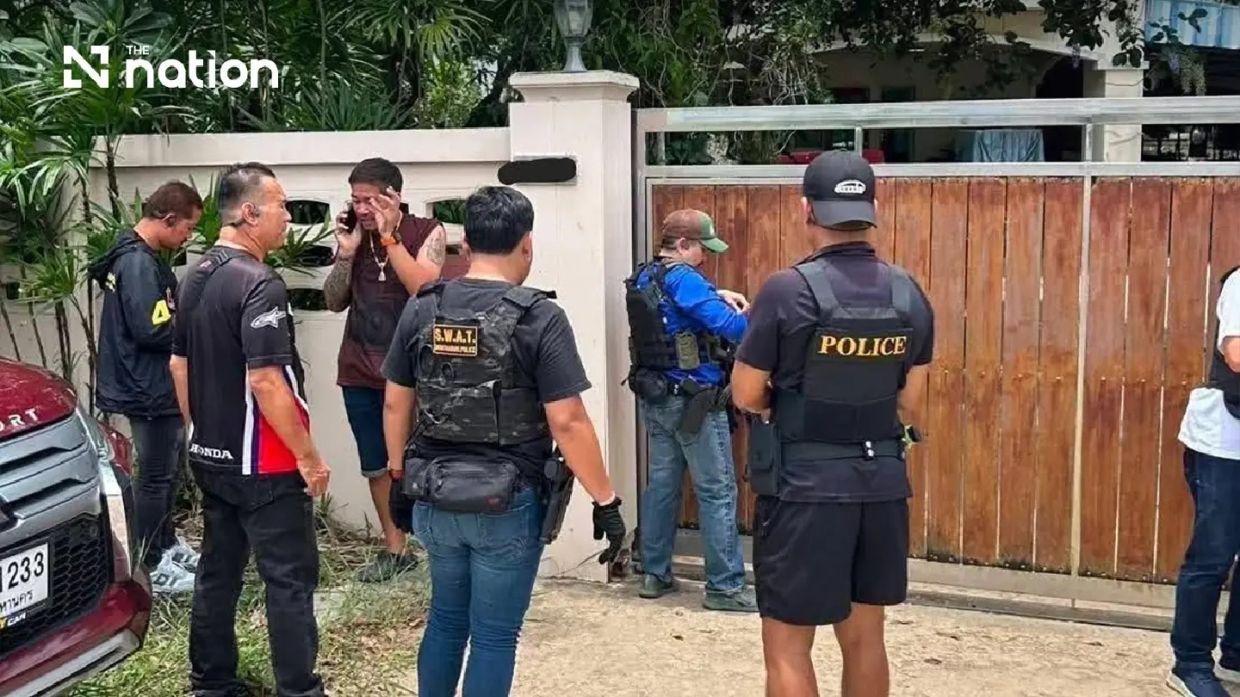
The teenager lived with his paternal grandparents in a residential area of Bang Bua Thong district when the violence unfolded. Officers who responded to the school shooting subsequently visited the family home in Soi Wat Lat Pla Duk and discovered both grandparents had been killed earlier that same morning. Initial evidence suggests they were shot with the same weapon that was later deployed in the school attack, marking a deeply disturbing pattern that authorities are still working to understand.
Investigators have identified the murder weapon as a CZ 9mm handgun that was legally registered to the boy's grandfather. This detail has become central to the ongoing inquiry, as authorities grapple with fundamental questions about how a minor accessed a firearm stored within his household. The presence of a registered weapon in the home, combined with the student's apparent ability to retrieve and transport it to the school, has raised serious questions about firearm storage protocols and supervision within Thai households.
Royal Thai Police spokesman Pol Lt Gen Trairong Phiwphan confirmed that officers had successfully contained the situation at the school and halted the violence. He noted that while authorities had established basic facts about the incident's immediate circumstances, determining a clear motive remained elusive. Investigators are undertaking a comprehensive examination of the suspect's behaviour before the shooting, his social relationships, family dynamics, and personal circumstances to understand what may have triggered such extreme violence.
The question of how the teenager obtained access to the gun and ammunition represents a crucial focus of the police investigation. Officers have confirmed that the handgun belonged to the grandfather and was properly registered, yet the mechanisms by which the student removed it from the house remain unclear. Investigators must reconstruct the entire sequence of events: where and how the weapon had been stored, whether ammunition was kept in the same location, and what practical steps the boy took to transport it to school undetected.
Police spokesman Trairong acknowledged that although ownership had been established, many investigative threads remained unresolved. He emphasised that determining precisely how the attacker obtained the firearm and clarifying other key details would require sustained investigative work. The case highlights potential gaps in how legally owned weapons are stored and secured within residential settings, a matter of concern across Southeast Asia where firearm regulations vary significantly between nations.
The incident has prompted immediate welfare interventions at the school. National police chief Pol Gen Kitrat Phanphet ordered officers to thoroughly clear and examine the school premises, recover all evidence, and prepare comprehensive scene documentation. The scale of this coordination reflects the severity of the incident and the need for systematic investigation in such complex cases involving multiple crime scenes.
Beyond physical evidence collection, authorities have recognised the profound psychological toll such violence inflicts on communities. Pol Gen Kitrat instructed Police General Hospital's chief medical officer to deploy psychologists and mental health specialists to support those affected. These teams are working with teachers, students, and family members to help them process trauma and reduce the risk of lasting psychological consequences from witnessing or experiencing the shooting.
The case underscores broader concerns about youth mental health and access to weapons that extend throughout the region. While Thailand has experienced mass shooting incidents before, the involvement of a secondary school student and the murder of his grandparents preceding the school attack suggests complex personal crises may have escalated to violence. For Malaysian observers, the incident serves as a reminder of how firearm access combined with untreated psychological distress can create catastrophic outcomes, particularly when young people are involved.
The investigation continues as authorities work to establish whether the student had exhibited warning signs beforehand, whether bullying or family conflicts played a role, and how the tragedy might have been prevented. These findings will likely influence discussions across Thailand and the broader Southeast Asian region about youth welfare, mental health support in schools, and appropriate storage and access protocols for legally registered firearms in family homes.

