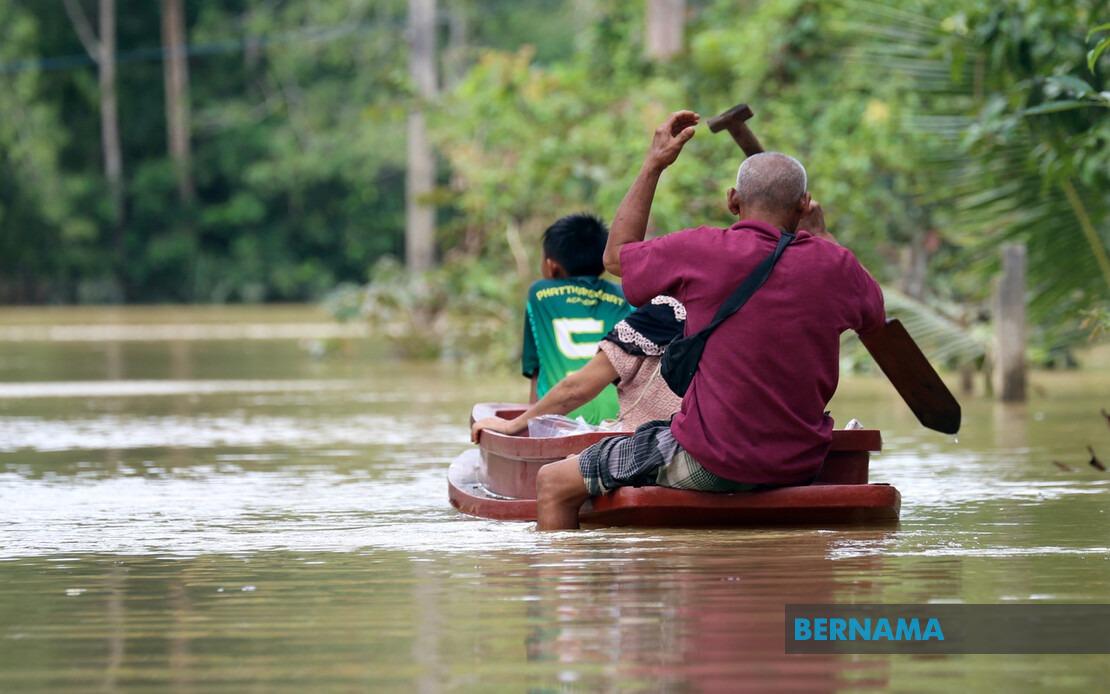
Thailand is taking comprehensive steps to fortify its disaster management infrastructure, establishing a streamlined governance structure specifically designed to handle the dual challenges of flooding and prolonged drought. The government has activated four regional committees tasked with coordinating rapid response operations across the country, reflecting growing concerns about the escalating climate vulnerabilities facing Southeast Asia's second-largest economy. Deputy government spokeswoman Capt Patdarasm Thongsaluaykorn outlined the scope of preparedness efforts, revealing that authorities are actively monitoring 1,363 locations considered at high risk of flooding alongside 444 areas susceptible to extended dry periods.
The institutional redesign represents a significant evolution in Thailand's approach to disaster management, moving away from fragmented agency responses toward a centralized command structure. Under the new framework, each of the four regional committees has been granted authority to direct government agencies within their operational zones, assess real-time developments, and communicate verified information directly to the public. This consolidation aims to eliminate bureaucratic delays that have historically hampered disaster response, enabling emergency assistance to reach vulnerable communities with greater speed and coordination. The committees are explicitly mandated to monitor meteorological and hydrological data, direct emergency operations as situations develop, manage relief distribution and compensation arrangements, and oversee reconstruction and recovery initiatives in the aftermath of disasters.
The northern region's committee, led by Deputy Prime Minister and Minister of Higher Education, Science, Research, and Innovation Yodchanan Wongsawat, convened for its inaugural meeting at the Department of Disaster Prevention and Mitigation headquarters on Tuesday, signalling the government's immediate commitment to operationalising the new structure. The deputy prime minister's direct involvement underscores the political priority assigned to disaster management at the highest administrative levels. This leadership structure suggests that resource allocation and inter-ministerial cooperation will receive accelerated attention, potentially translating into faster implementation of emergency protocols and recovery programmes.
Immediate weather threats have prompted urgent advisory measures across Thailand's maritime and coastal zones. The Thai Meteorological Department has issued warnings of intense rainfall, flash flooding, and riverine overflow affecting the northern, northeastern, and eastern regions of the country. Maritime safety protocols are already in effect, with small vessels instructed to remain in port across the upper Andaman Sea through August 9 and in the upper Gulf through the same date. These precautions reflect the immediacy of the meteorological hazard and the government's recognition that weather systems can escalate rapidly, putting lives and livelihoods at immediate risk.
Beyond the seasonal flood patterns that Thailand experiences regularly, the country faces a more prolonged and potentially more consequential climatic challenge. Meteorological projections indicate a Super El Niño phenomenon is anticipated to commence in October and persist through the early months of the 2027 rainy season, a duration spanning more than a year of potential climatic disruption. The Bangkok Post has reported that this climatic event could suppress rainfall across affected regions by a minimum of 10 per cent, a reduction that may appear modest numerically but carries severe implications for agricultural output and water resource availability. For a nation where rice cultivation forms a cornerstone of the rural economy and food security, such rainfall deficiency poses cascading risks extending far beyond immediate agricultural productivity.
The prospective drought threatens multiple dimensions of Thailand's economic and social stability. Crop yields across various agricultural sectors face potential decline, undermining farmer incomes and exacerbating rural poverty in regions already vulnerable to income volatility. Rice production, which represents Thailand's agricultural flagship and a significant export commodity, could experience meaningful contraction under prolonged dry conditions, with consequences reverberating through global rice markets. Water supply systems serving urban and industrial centres may face strain, potentially creating tensions between competing demand sectors and forcing difficult resource allocation decisions.
These climate challenges carry direct relevance for the broader Southeast Asian region, particularly for Malaysia and other nations sharing hydrological systems and agricultural dependencies with Thailand. Regional drought conditions have historically created transboundary water management complications, and prolonged moisture deficit in Thailand could influence precipitation patterns affecting neighboring countries. Moreover, Thai rice production fluctuations influence regional food prices and availability, factors that Malaysian consumers and policymakers monitor closely given the region's food security interdependencies.
The government's preemptive institutional reorganisation reflects a recognition that reactive crisis management has proven insufficient for protecting Thailand's population from climate-related hazards. By establishing permanent committees with defined authority and clear operational mandates, the government is attempting to build systematic resilience into its disaster response capacity. This structural approach, if effectively implemented, could serve as a model for other Southeast Asian nations grappling with similar climate vulnerabilities and seeking to improve their administrative response mechanisms.
The success of Thailand's revamped disaster management system will depend substantially on factors beyond structural reform. Implementation fidelity, adequate resource allocation to regional committees, inter-agency willingness to cede authority to unified command structures, and the quality of coordination between national and local administrative levels will all prove critical. Additionally, the effectiveness of early warning systems, the reliability of meteorological forecasting, and the degree to which communities respond to evacuation orders and preparedness guidance will ultimately determine whether institutional innovations translate into tangible reductions in casualties, property damage, and economic disruption.
Looking forward, Thailand's experience with this enhanced disaster response framework during the anticipated challenging climate period will yield valuable lessons not only for Thai policymakers but for the entire Southeast Asian region. As climate variability and extreme weather events increase in frequency and intensity, the institutional mechanisms through which governments coordinate response efforts become increasingly consequential. Thailand's commitment to testing and refining these structures during a period of genuine climatic stress may contribute valuable insights to regional disaster management practice, particularly regarding how smaller Southeast Asian nations can strengthen their adaptive capacity within resource constraints.

