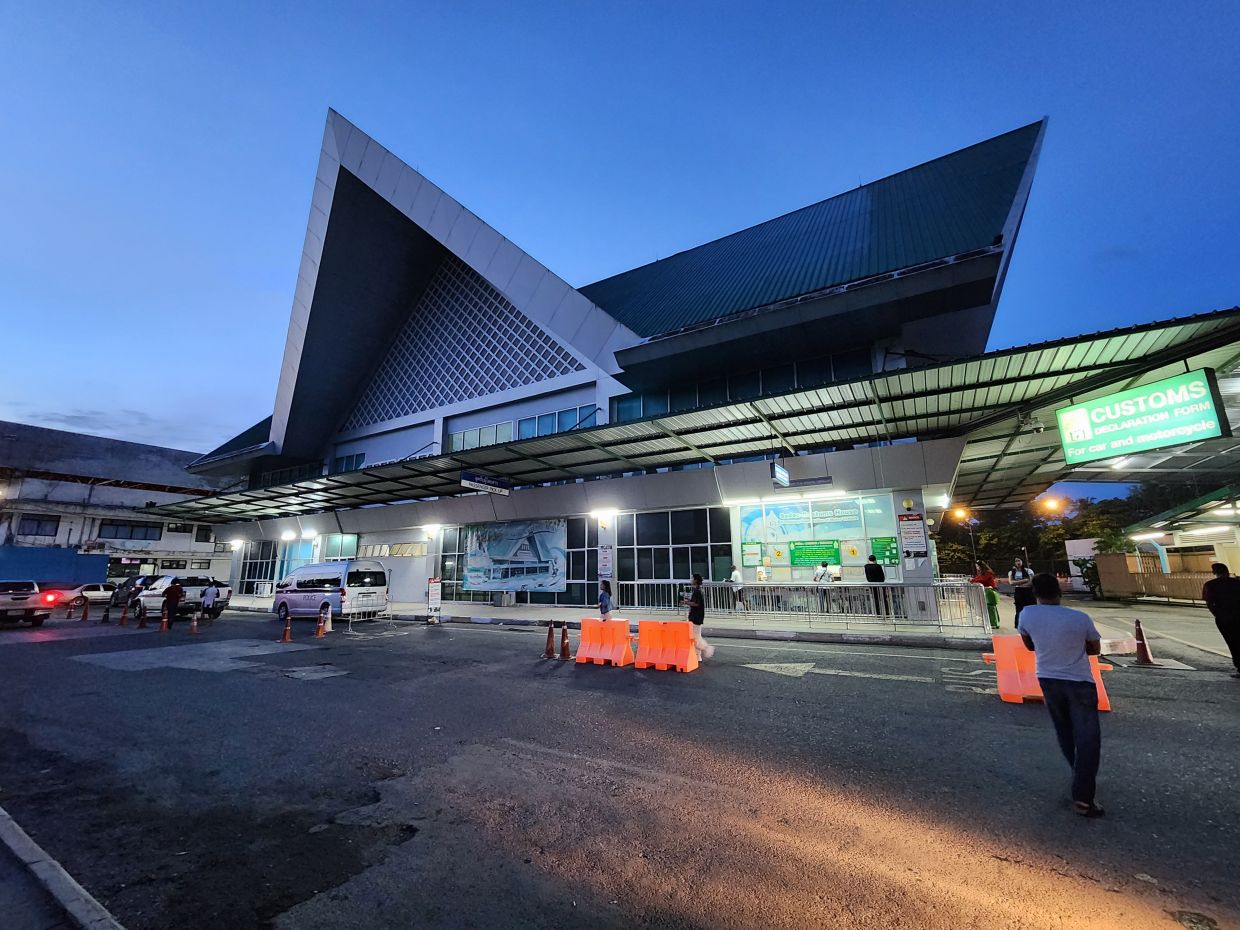
Thailand's government has taken a significant step to deepen its economic integration with Malaysia by establishing a new permanent border checkpoint. The Thai cabinet approved the initiative on Tuesday, marking a transition from the existing crossing point to a modernised facility that officials expect will substantially improve the flow of goods, services, and people across the southern frontier. The new Sadao checkpoint will commence operations on July 11, underpinning Bangkok's broader regional agenda to strengthen ties with its closest southern neighbour.
Located between boundary markers 23/9 and 23/10, the fresh crossing replaces the previous arrangement at markers 22-23, representing a calculated shift in infrastructure placement designed to optimise traffic patterns and reduce congestion. Operating hours will extend from 05:00 to 23:00 daily, providing a full 18-hour window for cross-border movement. This extended schedule reflects recognition among Thai policymakers that round-the-clock accessibility would overwhelm management capacity, yet a lengthy operational window accommodates both business requirements and the rhythms of communities on both sides of the demarcation.
The infrastructure upgrade carries particular significance for Malaysia and Southeast Asia more broadly. As the primary land gateway between Thailand and Malaysia, the Sadao checkpoint processes substantial volumes of traffic encompassing commercial vehicles, passenger cars, and foot traffic. Improving this crossing's efficiency directly impacts supply chains across the region, particularly for manufacturers operating in Malaysia's Klang Valley and Penang who depend on sourcing components from Thailand or distributing finished goods northward. For Malaysian logistics operators, enhanced border facilities mean reduced transit times and lower operational costs, ultimately benefiting consumers through more competitive pricing on imported goods.
Thailand's government spokesperson Ratchada Thanadirek outlined the accompanying measures required to realise the checkpoint's full potential. Agencies have received instructions to accelerate construction of connecting roads on the Thai side, a critical element since an efficient crossing serves little purpose if vehicles face congestion on approach routes. The Songkhla provincial government will supervise this construction progress, ensuring coordination between national and local authorities. Additionally, Thai officials plan to establish shuttle services near the checkpoint, facilitating movement for passengers lacking private vehicles and acknowledging that not all cross-border travellers own cars.
Addressing the human dimension of this infrastructure project, the government has committed to extensive public engagement. Private sector entities, business operators, and residents in border communities require clear communication regarding revised traffic routes, updated customs procedures, and modified immigration channels. This outreach effort recognises that border communities often experience disruption during transitions, and transparent communication can mitigate misunderstandings and resistance. By providing detailed guidance on government measures designed to expedite trade and tourism, Thai authorities aim to generate stakeholder buy-in that translates regulatory intent into practical cooperation.
The checkpoint initiative arrives concurrent with deeper diplomatic engagement between Thailand and Malaysia. Thai Prime Minister Anutin Charnvirakul will undertake an official visit to Malaysia on July 9-10 at the invitation of Malaysian Prime Minister Anwar Ibrahim, timing that positions the border opening as a tangible achievement emerging from heightened high-level dialogue. This synchronisation conveys to both publics that governments are actively translating diplomatic commitments into infrastructure improvements with immediate, observable benefits.
The two leaders intend to formalise a joint statement addressing cooperation across multiple domains. Border development and connectivity infrastructure feature prominently, reflecting the border crossing's centrality to bilateral relations. Security cooperation against transnational crime represents another pillar, an essential consideration given Thailand's and Malaysia's shared concerns regarding human trafficking, drug smuggling, and illicit arms movements across their porous frontier. Enhanced border facilities with improved surveillance and screening capacity strengthen law enforcement agencies' capacity to interdict criminal activity.
Economic partnership constitutes the third major cooperation dimension, with particular emphasis on food and energy security. Thailand ranks among the world's largest agricultural exporters, with rice, rubber, and tropical fruits flowing substantially toward Malaysian markets and onward to Singapore and beyond. Malaysia, conversely, possesses energy resources and refining capacity that serve Thailand's industrial sectors. By formalising cooperation frameworks around these complementary strengths, both nations position themselves to weather supply disruptions and build resilient regional supply networks less dependent on distant suppliers.
For Malaysian stakeholders, the Sadao checkpoint upgrade merits attention as a bellwether of Thailand's commitment to deepening regional integration through infrastructure rather than rhetoric alone. Cross-border logistics represent a critical competitive advantage for Malaysia's manufacturing and export sectors, and incremental improvements in border efficiency compound into substantial competitive advantages over time. The checkpoint's 18-hour operational window, combined with modernised facilities and shuttle services, represents a measurable upgrade from previous arrangements that Malaysian business associations have repeatedly requested.
The broader context reveals Thailand's strategic repositioning toward Southeast Asian economic deepening. Rather than exclusively pursuing bilateral megaprojects or relying on Chinese investment and infrastructure provision, Bangkok is investing in fundamental cross-border improvements that enhance integration with immediate neighbours. This approach addresses Malaysian and Singaporean concerns about China's extensive infrastructure footprint in Thailand, demonstrating that Thai governments remain committed to strengthening regional bonds through tangible mutual benefit.
Implementation success will depend substantially on coordination quality between Thai and Malaysian customs authorities, immigration personnel, and provincial administrators. Border crossings function optimally when both sides maintain consistent standards, share real-time information systems, and establish expedited procedures for legitimate travellers and cargo. The joint statement's emphasis on cooperation suggests both governments recognise this interdependence and commit to aligning procedures.
The Sadao checkpoint opening crystallises a broader pattern of Southeast Asian infrastructure development driven by national governments rather than external powers. Whether this precedent encourages similar upgrades at other Thailand-Malaysia crossing points, or influences infrastructure investment patterns throughout ASEAN, remains to be observed. Immediate effects should manifest in measurable reductions in crossing times and increased bilateral trade volumes, metrics that Malaysian traders and manufacturers will monitor closely as evidence of policy effectiveness.

