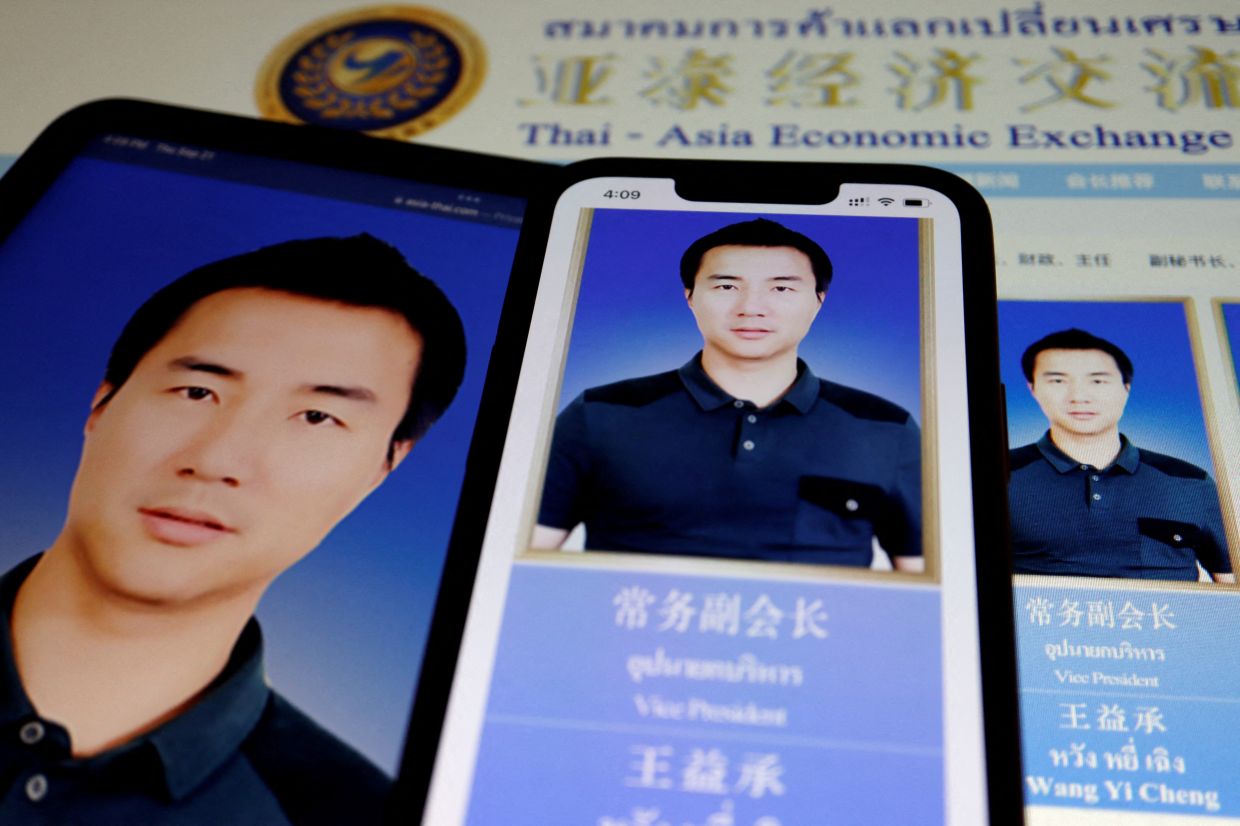
Thailand's Department of Special Investigation has intensified its pursuit of Wang Yicheng, a Chinese businessman wanted for his alleged role in a sprawling transnational cryptocurrency laundering scheme that exploited illegal mining operations across Southeast Asia. The arrest warrant, issued in November but publicly announced on June 23, marks a significant escalation in Thailand's crackdown on financial crimes enabled by digital currencies, as authorities grapple with the region's growing vulnerability to organised fraud networks.
Wang's case emerged from a comprehensive Reuters investigation published in 2023 that exposed how cryptocurrency wallets bearing his name received millions of dollars originating from so-called "pig-butchering" scams. These sophisticated fraud operations deceive victims into making purported cryptocurrency investments, often through romantic deception conducted via messaging platforms. Blockchain analysis firms, including TRM Labs, traced at least USD 9.1 million flowing to accounts in Wang's name between 2021 and 2022 from wallets directly linked to these scam networks. The investigation could not definitively establish whether Wang personally controlled the accounts or whether his identity had been fraudulently appropriated, but the sheer volume of illicit funds moving through his name triggered official suspicion.
Thai authorities have charged Wang with theft and violations of the Computer Crimes Act, which covers unauthorised interference with digital systems and infrastructure. Police Major Woranan Srilam, the spokesman for the Department of Special Investigation, confirmed that Wang is believed to have already fled Thailand and is currently a fugitive. The DSI statement noted it had simultaneously issued arrest warrants for four unnamed Chinese nationals and four Myanmar nationals as part of the same investigation, suggesting a much broader criminal enterprise operating across border regions.
The scale of the alleged operation is staggering. During their investigation into illegal cryptocurrency mining operations, Thai authorities uncovered evidence that the network had illicitly consumed electricity valued at approximately USD 28 million, placing it among the largest such cases documented in recent years. This enormous power consumption reflects the computationally intensive nature of cryptocurrency mining, which criminal syndicates exploit as a money-laundering mechanism because mining generates ostensibly legitimate cryptocurrency income while obscuring the criminal origins of their initial capital.
Wang's background in legitimate business circles made him a particularly valuable node in this criminal network. He previously held the position of vice president at the Thai-Asia Economic Exchange Trade Association, an organisation dedicated to promoting bilateral business ties between Thailand and China. Through this legitimate institutional platform, Wang cultivated relationships with senior officials in both countries, including high-ranking members of Thailand's law enforcement establishment. Such connections with government figures would have provided crucial insulation and access to intelligence that could have protected the network's operations from detection.
The United States has independently identified Wang as a suspect in digital-asset fraud investigations. In June 2023, American law enforcement seized approximately USD 500,000 in cryptocurrency from accounts bearing his name, after tracing stolen funds from a Massachusetts victim to one of these wallets. This transatlantic dimension highlights how these cryptocurrency-enabled fraud schemes operate globally, exploiting the borderless nature of digital transactions and the difficulty of coordinating law enforcement responses across jurisdictions.
The case reveals the human toll of these sophisticated scams. One documented victim, a 71-year-old California resident, lost his entire USD 2.7 million life savings after establishing an online relationship with someone posing as a young woman who gradually encouraged him to make increasingly substantial cryptocurrency investments. Such cases are emblematic of thousands of victims across the Americas and beyond who have been systematically defrauded by these networks, which the United Nations estimates generate billions of dollars in illicit proceeds annually.
Much of this fraud originates from industrial compounds located in the Myanmar-Thailand border region, particularly from KK Park, a facility that has become notorious as a hub for scam operations. These compounds frequently employ trafficking victims under coercive conditions, forcing them to participate in the scams while earning minimal compensation. Thailand and its Southeast Asian neighbours have dramatically intensified enforcement operations against these facilities in recent months, recognising them as both serious criminal enterprises and sites of egregious human rights violations.
Bitmain, one of the world's largest manufacturers of bitcoin mining equipment, told Reuters in 2023 that Wang was a close commercial partner and long-standing customer. The company claimed it supplied mining hardware to him through standard commercial channels with proper legal documentation. However, Bitmain has subsequently declined to comment further on the Thai arrest warrant or Wang's business arrangements, and the Bangkok-based trade association also remained silent on the matter.
Following publication of the Reuters investigation, the Thai-Asia Economic Exchange Trade Association released a statement asserting that Wang had voluntarily resigned from its board. The organisation maintained that background checks had identified no criminal record for him at the time of his tenure and that his personal affairs remained separate from the association's operations. It also clarified that while some Thai officials served as advisers and friends of the organisation, no formal business or financial relationships existed between these officials and the association or its members—a statement that, while potentially accurate, does little to dispel public concern about the proximity between government circles and individuals involved in major financial crimes.
Wang's fugitive status underscores the challenges Southeast Asian and international authorities face in pursuing transnational organised crime figures who have cultivated networks across multiple jurisdictions. His disappearance also raises questions about whether internal intelligence networks within Thailand or China provided him advance warning of the investigation. The Department of Special Investigation confirmed it is coordinating with international counterparts to locate him, yet months after the public announcement, his whereabouts remain unknown, suggesting either sophisticated concealment methods or sympathetic assistance from established networks.
For Malaysia and other regional economies, this case exemplifies the systemic vulnerabilities that make Southeast Asia attractive to transnational criminal syndicates. The region's partially regulated financial sectors, porous borders, and rapid digital adoption create ideal conditions for schemes that blend traditional money laundering with cryptocurrency-enabled fraud. As these networks grow increasingly sophisticated, regional governments must strengthen cross-border cooperation frameworks and develop expertise in tracking cryptocurrency flows to combat the persistent threat of organised financial crime.

