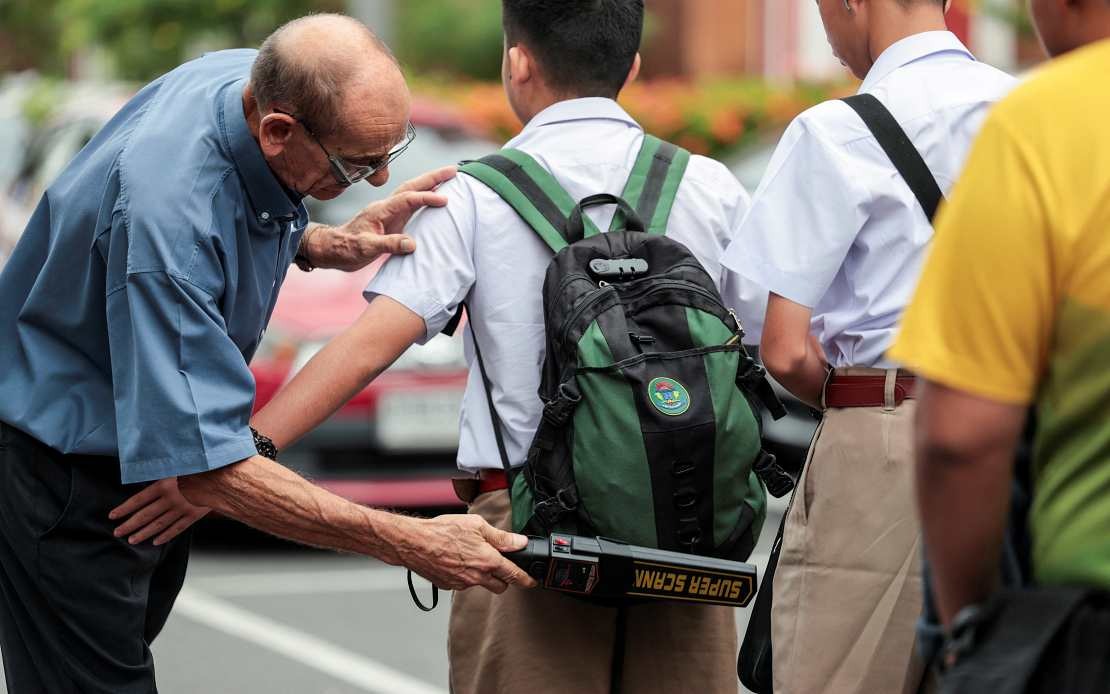
Thailand's government has moved decisively to tighten firearm regulations following a catastrophic school shooting, with Prime Minister Anutin Charnvirakul ordering a nationwide freeze on new carry permits for one year. The suspension, announced on Tuesday, represents the authorities' attempt to address public safety concerns and rebuild confidence in the nation's ability to prevent armed violence. Officials justified the measure as essential to "maintain public order, reduce the risk of violence, and restore public confidence" in the wake of mounting security concerns.
The Interior Ministry, working through the Department of Provincial Administration, has directed provincial officials to substantially strengthen the vetting process for all firearm purchase applications. These revised procedures mandate comprehensive background investigations conducted under the Firearms Act, creating a more rigorous gatekeeping mechanism than previously existed. The enhanced screening represents an acknowledgement that the existing system had insufficient safeguards to identify potentially dangerous individuals before they obtained weapons. Officials have signalled that this tightening will remain in place even after the one-year carry permit suspension expires, suggesting a permanent shift toward more cautious firearm distribution.
Beyond the suspension of new permits, the government is implementing stricter oversight of individuals already licensed to carry firearms. The strengthened supervision regime will require periodic verification that licensed owners remain in compliance with all legal requirements, representing a shift from the more passive approach previously adopted. This proactive monitoring system aims to identify red flags such as mental health deterioration, criminal behaviour, or breach of storage regulations before incidents occur. Authorities have emphasized that firearms must remain secured at home and cannot be transported in public without legitimate justification, with violations attracting penalties as severe as five years' imprisonment, fines reaching 10,000 baht (approximately $301), or both sanctions combined.
The catalyst for these emergency measures was a devastating school shooting that occurred on Friday, claiming nine lives including the gunman's grandparents. The incident shocked the nation and triggered immediate calls for legislative action to prevent recurrence. The young shooter subsequently died by suicide, eliminating the possibility of traditional criminal prosecution but raising urgent questions about how such an individual accessed a firearm and why warning signs went unheeded. The tragedy has exposed significant gaps in Thailand's current safeguarding framework and prompted a government-wide reassessment of firearm regulations and mental health support systems.
Recognizing the multi-faceted nature of the problem, Education Minister Prasert Jantararuangthong has developed a comprehensive six-point national safety initiative now under Cabinet consideration. This package addresses prevention through mandatory mental health evaluations, regular emergency preparedness drills in schools, and strict zero-tolerance policies targeting bullying and weapons possession. The proposal reflects growing understanding that firearm control alone cannot prevent all incidents without complementary efforts to identify troubled individuals and create supportive school environments. Implementation of these measures could establish Thailand as a regional leader in institutional violence prevention, though success will depend on adequate funding and consistent execution across diverse provincial contexts.
The timing of these announcements coincides with a separate serious incident that underscores ongoing security challenges in Thai society. On Monday, police arrested a former Thai lawmaker in connection with the murder of the president of the Nonthaburi Provincial Administrative Organisation, indicating that violence remains a concern across multiple sectors of society. This incident, though distinct from school-related violence, reinforces the government's determination to address broader patterns of armed conflict and restore public safety perceptions across the country.
The suspension of new firearm carry permits carries significant implications for Thai citizens accustomed to personal firearm ownership for self-defence or sport purposes. Licensed gun owners seeking to renew permits or law-abiding civilians wishing to obtain new carry authorizations face an indefinite delay under the current policy. This represents a substantial restriction on personal liberty, though government officials maintain the measure is temporary and justified by exceptional circumstances. The decision reflects calculations that public safety concerns now outweigh individual preferences for armed self-defence options, a stance likely to receive support from urban middle-class voters but potential resistance from rural residents concerned about wildlife threats or farm security.
For regional observers including Malaysian policymakers, Thailand's swift regulatory response offers both lessons and cautionary examples. The effectiveness of these measures will depend heavily on implementation capacity, particularly in provincial areas where enforcement capabilities remain inconsistent. Thailand's experience demonstrates the political feasibility of imposing emergency firearm restrictions following mass violence incidents, even in societies with relatively permissive gun cultures compared to some neighbouring nations. However, success will ultimately require sustained commitment beyond the initial shock period, as political pressure to relax restrictions typically intensifies over time once public attention fades.
The broader context involves consideration of how Thailand balances individual rights against collective security needs during an era of rising social tensions and economic pressures. School shootings remain relatively rare in Southeast Asia compared to some other regions, making this incident particularly jarring and prompting searching questions about social cohesion and mental health support systems. Thailand's response, combining immediate regulatory action with longer-term prevention initiatives, reflects recognition that addressing root causes requires sustained institutional effort alongside legal restrictions on weapons access.

