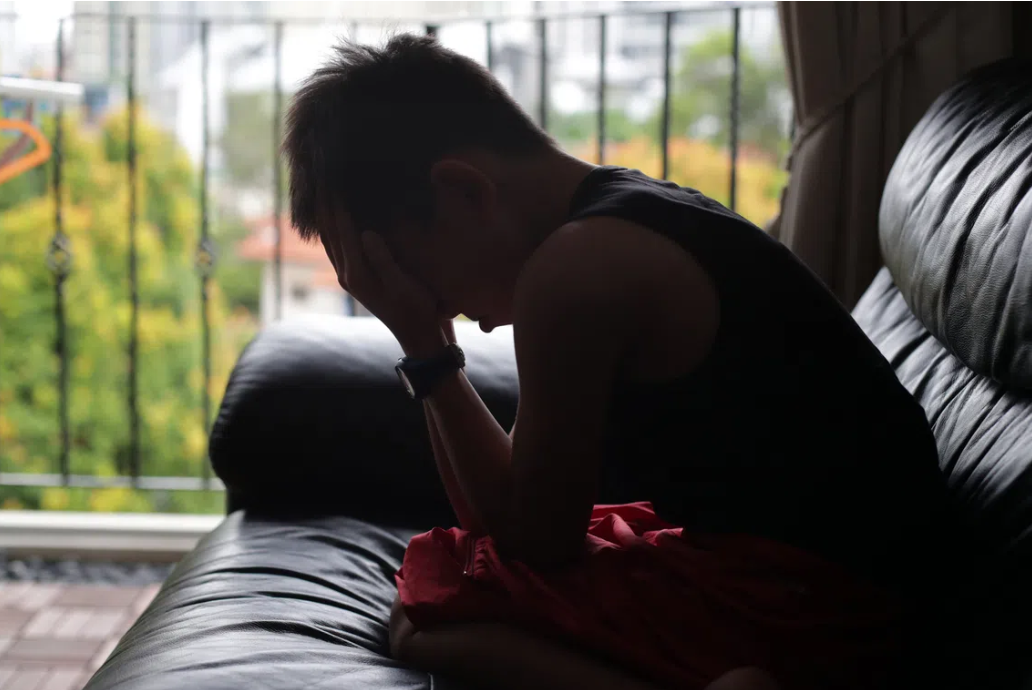
Thailand is moving to confront a pervasive problem within its education system following a tragedy that claimed nine lives, including that of the teenage perpetrator. The August 7 shooting at Debsirin Nonthaburi School near Bangkok, carried out by a 14-year-old student, has prompted the government to acknowledge what researchers and counsellors have long documented: bullying in Thai schools is widespread, damaging, and often left unaddressed. Though investigators continue examining multiple factors behind the attack, the incident has thrust into the spotlight the experiences of countless young Thais who endure sustained harassment within school walls.
The extent of the problem became starkly apparent when the Thai government released survey data from September 2025 showing that nearly two-thirds of 42,000 young people between six and 25 years old had experienced bullying. The findings revealed that schools emerged as the dominant venue for such behaviour, with 83 per cent of incidents occurring in educational settings. Among victims, roughly one in four has contemplated self-harm, highlighting the severe psychological toll that extends far beyond mere discomfort or temporary distress. These numbers suggest that bullying is not a marginal issue affecting isolated individuals, but rather a systemic challenge permeating Thai education across different school types and socioeconomic contexts.
Surasit Nok-Ouam's account, now 20 years old and working in the gig economy, illustrates the long-lasting scars that persist into adulthood. Beginning in kindergarten and continuing through early primary school, his introverted nature made him a convenient target for sustained abuse. The harassment extended beyond name-calling to include physical assault, such as peers following him into bathroom stalls to splash water on him and shouting insults. Another incident saw a bully deliberately pull down his sweatpants during physical education class. What intensified his suffering was the observation that his own attempts to respond or show anger merely provided entertainment for tormentors, transforming his distress into a form of social sport. Such experiences create lasting anxiety and hypervigilance that colours victims' relationships with everyday spaces and routines.
The nature and prevalence of bullying in Thai schools manifest in diverse forms, each carrying distinct impacts on victims. Teasing about names, parents, and family members emerged as the most commonly reported variant in the government survey. Physical abuse, including kicking and punching, affected approximately 28 per cent of those surveyed. Beyond these categories lie forms such as verbal insults, deliberate rumour-spreading, and forced confinement in inappropriate spaces. Mental health professionals working directly with affected youth report that the line between what adolescents perceive as harmless joking and genuine harassment often becomes blurred, with seemingly minor incidents frequently escalating into sustained and serious abuse. Prieo To-uam, a freelance counsellor with four years of experience, notes that nearly every adolescent client mentions bullying, whether they attend traditional Thai schools or international institutions, and that many perpetrators themselves fail to recognise the severity of their actions.
The psychological consequences for victims extend well beyond the school day. Chinun Boonroungrut, a psychology lecturer at Silpakorn University, explains that prolonged bullying can trigger depression, uncontrolled anger, and an accumulating sense of grievance that builds over months or years. Importantly, he cautions against oversimplifying the relationship between bullying and extreme violence, noting that adolescent harassment does not inevitably lead to school shootings or comparable tragedies. Nevertheless, the emotional damage is undeniable and warrants serious intervention. Mental health professionals increasingly observe that victims often lack adequate parental understanding or accessible support systems, leaving them isolated with their trauma and unable to process their experiences in healthy ways.
One critical factor complicating efforts to address bullying lies in Thai cultural values and social expectations. The concept of kreng jai—often translated as extreme consideration or deference—encourages citizens to prioritise social harmony, politeness, and the avoidance of conflict or confrontation. This deeply ingrained norm means that many bullying victims remain silent, internalising their distress rather than reporting incidents to teachers, parents, or authorities. Prieo notes that societal expectations frequently pressure youth to suppress negative emotions and maintain outward composure, a process that prevents early disclosure of suffering. Over time, this emotional suppression can allow psychological crises to intensify unchecked, potentially manifesting in sudden and explosive outbursts that observers later struggle to understand. The tension between Thailand's cultural emphasis on harmony and the need for open dialogue about suffering thus becomes a hidden obstacle to prevention and intervention.
Aranee Vivatthanaporn, a criminology and justice administration lecturer at Rangsit University, offers an important clarification regarding recent public perception of bullying in Thai schools. The apparent increase in awareness does not necessarily indicate a surge in actual incidents, but rather reflects greater visibility afforded by digital platforms. Social media has enabled the recording, sharing, and viral circulation of bullying videos, bringing cases that previously remained confined to school premises into public view. One notable example occurred at St Gabriel's College, one of Thailand's most prestigious private schools, where a video documented two students beating and kicking a younger boy; one was also filmed holding what police later identified as an airsoft gun. This digital transparency, while raising awareness, simultaneously demonstrates that bullying persists across institutional hierarchies and regardless of a school's reputation or resources.
In response to the Debsirin tragedy, Thailand's Education Ministry has announced a series of interventions scheduled for implementation by early November. These measures include establishing a zero-tolerance bullying policy, enhancing weapon detection systems, and creating referral mechanisms for students identified as at-risk. The government has also prioritised a new Student and School Safety Act designed to monitor the mental health of affected individuals and screen for post-traumatic stress disorder. Such administrative and legislative steps represent necessary first moves in acknowledging the problem and creating institutional frameworks for response. However, experts warn that structural measures alone cannot succeed without parallel cultural shifts regarding openness, accountability, and the legitimacy of seeking help.
The real challenge facing Thailand extends beyond policy documents and procedural frameworks. While new laws and detection systems may deter some perpetrators and provide pathways for intervention, the entrenched cultural norms that silence victims and normalise interpersonal aggression require deeper transformation. Education campaigns, teacher training, and community engagement must work alongside policy implementation to gradually reshape attitudes toward bullying and help-seeking. Parents, educators, and administrators need to collectively challenge the notion that suffering in silence constitutes virtue or strength. Mental health professionals must become more accessible and integrated into school systems, offering safe spaces where young people can report concerns without fear of social ostracism or family shame. For Thailand, transforming school safety ultimately requires not just condemning bullying, but fundamentally reconsidering which values take precedence when social harmony conflicts with individual safety and psychological wellbeing.

