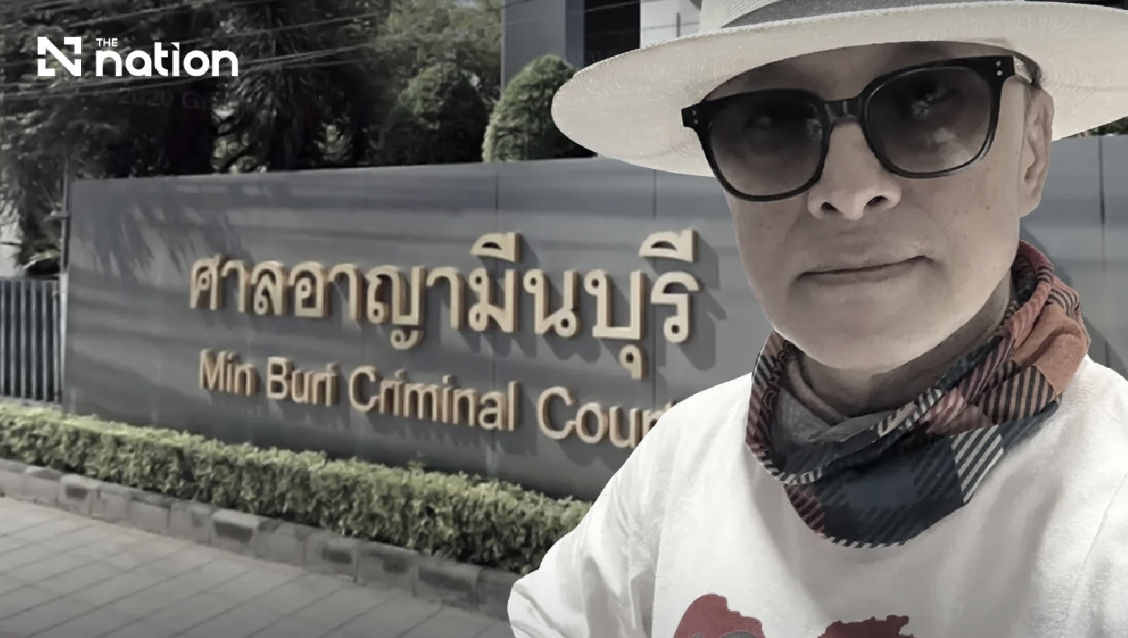
A Thai court has sentenced Manasawin Nantasen, the singer famously known as Tik Shiro, to two years imprisonment for causing the deaths of two people while driving under the influence. The conviction comes more than eight months after the October 2024 collision on a Bangkok bridge, marking a rare instance of a high-profile entertainer facing substantive jail time for such offences in a country where public figures have historically navigated legal consequences with varying degrees of severity.
Tik Shiro achieved prominence throughout the late 1980s and 1990s as a distinctive figure in the Thai music landscape, cultivating an image centred on his trademark fedora hats, leather outfits, and rhythmic dance movements that drew inevitable parallels to Michael Jackson's iconic aesthetic and performance style. The 64-year-old artist's career was built on this visual and musical branding, earning him a devoted fanbase and considerable commercial success during Thailand's vibrant entertainment boom decades. His cultural impact extended beyond music into broader popular culture, making him one of Thailand's recognizable entertainment personalities across multiple generations.
The tragic incident occurred when Manasawin's vehicle struck a stationary motorcycle positioned on a bridge in the Thai capital. The impact proved immediately fatal for a 28-year-old woman seated on the bike, while her younger brother, aged 21, was propelled off the bridge structure by the force of the collision. Emergency responders transported the brother to hospital with critical injuries, but he ultimately succumbed to his wounds while receiving treatment, resulting in a total of two deaths from the single incident.
Bangkok's criminal court determined that Manasawin had operated his vehicle while intoxicated, resulting in the fatal outcome for both victims. The judge cited his decision to surrender voluntarily and cooperate with legal proceedings as mitigating factors, alongside his demonstrated remorse through attendance at the victims' funeral services and financial compensation provided to their grieving families. Nevertheless, the court mandated permanent revocation of the singer's driving privileges, a punishment reflecting the severity of his violation.
Shortly after the collision, footage showing Manasawin kneeling at the accident scene in apparent emotional distress circulated widely across Thai social media and news platforms. This imagery achieved substantial viral reach throughout Thailand, partly because it generated broader public discourse about whether celebrities and wealthy individuals receive differential treatment within the country's legal system. The video's prominence underscored widespread Thai public concern regarding unequal justice, a sentiment that has periodically surfaced in response to high-profile cases involving persons of influence and prominence.
This sentencing occurred on the same day that rock musician Sek Loso was released from prison following completion of just over one year of his sentence for drug possession and unlawful firearm possession. The simultaneous handling of these two celebrity cases—one receiving significant jail time and the other being released—illustrated the court system's varying approaches to entertainment figures facing serious criminal charges. Yet for many Thais, such concurrent cases only reinforce persistent doubts about whether the wealthy and celebrated genuinely face equivalent accountability compared to ordinary citizens.
Thailand's history provides sobering context for evaluating the Tik Shiro sentencing against apparent patterns in celebrity justice. The 2012 case of Vorayuth Yoovidhya, heir to the Red Bull beverage fortune, exemplifies this skepticism. Yoovidhya faced accusations of driving his Ferrari into a Bangkok police officer in an affluent neighbourhood, resulting in the officer's death. Despite launching an investigation, authorities ultimately declined to prosecute, allowing the case to effectively disappear from public accountability despite the fatal outcome and extensive evidence.
Another illustrative case involved a son of Chalerm Yubamrung, a prominent Pheu Thai party politician, who allegedly discharged a firearm at a man during a confrontation in a crowded Bangkok nightclub during 2001. Despite the public setting and apparent witnesses, the legal proceedings resulted in acquittal based on courts determining the prosecution's evidence base insufficient for conviction. These historical precedents created a template in Thai public consciousness regarding differential justice outcomes.
Malaysian audiences observing the Tik Shiro case may recognize parallels with their own jurisdictions' ongoing tensions between celebrity status and legal accountability. Both Malaysia and Thailand struggle with public perception that connections, wealth, and fame create inequitable outcomes in criminal proceedings. The sentencing represents at least symbolic reassurance that serious crimes by entertainment personalities can result in prison terms, though skeptics might argue that two years for killing two people remains comparatively lenient depending on sentencing guidelines and precedent.
The Tik Shiro conviction simultaneously reflects evolving attitudes within Thai society regarding drunk driving, a persistent public health concern across Southeast Asia claiming thousands of lives annually. By prosecuting a beloved entertainment figure rather than allowing wealth or status to obscure consequences, the court responded to mounting public pressure for consistent application of traffic safety laws. This stands in contrast to previous decades when such incidents involving influential individuals frequently resulted in nominal penalties or dismissal.
Looking forward, the case establishes potential precedent for treating celebrity defendants within Thailand's criminal framework with standards applied to ordinary citizens, at least in high-visibility situations generating extensive public attention and social media scrutiny. However, whether this represents genuine systemic change or merely reflects the particular circumstances and media intensity surrounding this incident remains unclear. Southeast Asian observers will monitor subsequent high-profile cases to assess whether this represents meaningful evolution in judicial accountability or constitutes an exception rather than establishing a durable pattern.

