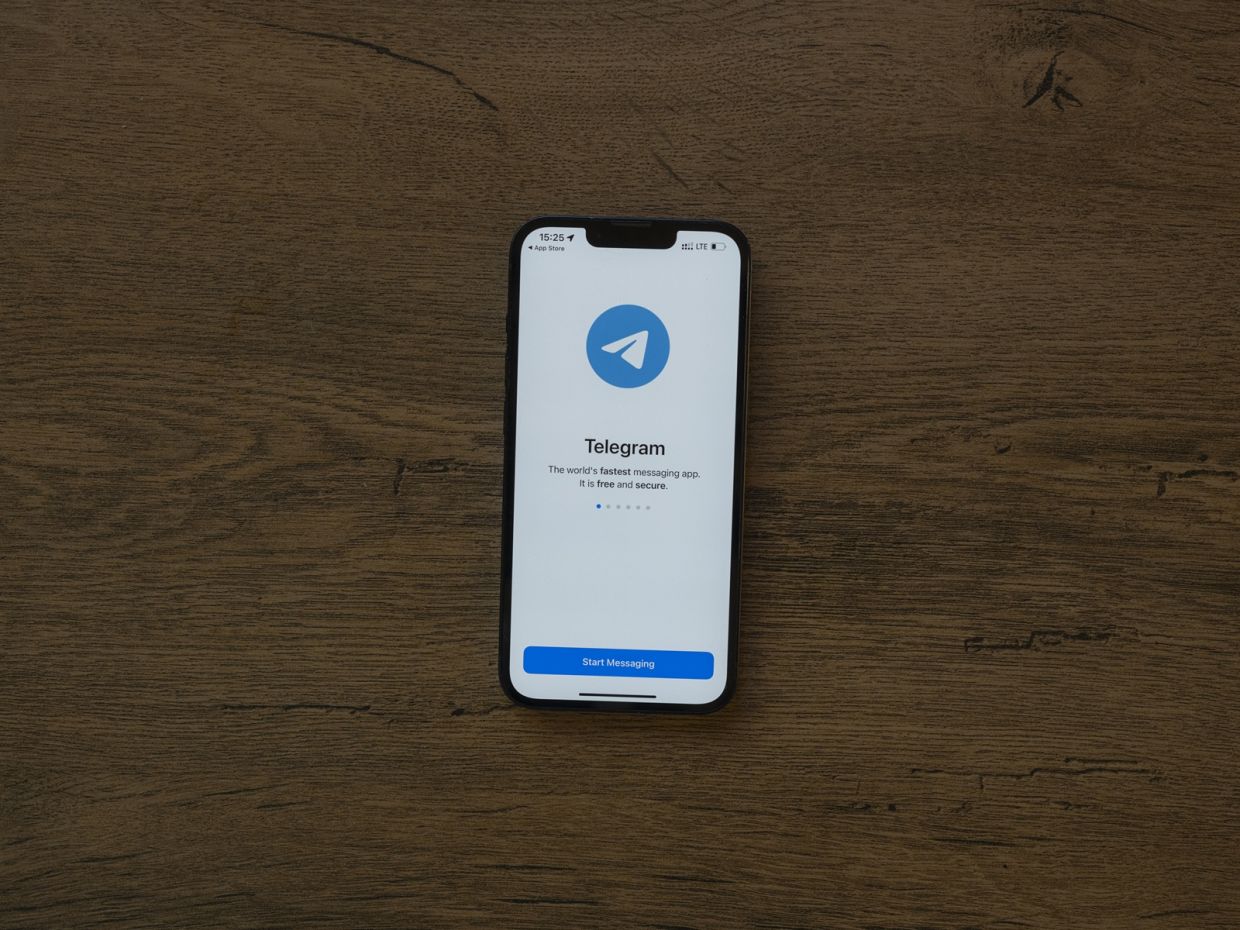
Telegram, the encrypted messaging platform championed by dissidents and journalists worldwide, has become increasingly ensnared in regulatory disputes across multiple continents. The app's latest setback came this week when India temporarily suspended operations until June 22, following allegations that fraudulent channels sold fake leaked questions from a national medical college entrance examination. The suspension underscores a broader pattern: governments increasingly view Telegram not as a tool for legitimate privacy protection, but as a platform enabling criminal activity and undermining state authority.
India's action reflects genuine governance challenges rather than pure censorship. The National Testing Agency discovered that Telegram channels had marketed purported leaked exam papers to hundreds of thousands of candidates and their families, only for the material to prove fraudulent. The scandal proved so destabilizing that authorities cancelled the original examination and scheduled a retest for the following Sunday. Among Telegram's largest markets globally with over 150 million Indian users, the platform had become a vector for the very fraud it should have been monitoring.
Pavel Durov, Telegram's founder, characterised the ban as counterproductive, arguing it punished ordinary users rather than targeting the fraudsters themselves. He pointed out that Telegram had proactively removed hundreds of channels related to exam materials and scams operating within India. This argument reveals the core tension defining Telegram's regulatory struggles worldwide: the platform's technical architecture makes it difficult for the company to monitor user conduct without compromising the encryption systems that define its core appeal to users in authoritarian environments.
Russia's relationship with Telegram illustrates how geopolitical circumstances reshape regulatory approaches. Russia initially banned the app in 2018 after Telegram refused to grant security services access to encrypted communications. Durov, who had already fled Russia in 2014, insisted that Telegram's encryption design made compliance technically impossible. However, the ban created embarrassment when Russian government agencies themselves relied heavily on Telegram for daily operations, forcing Moscow to reverse course by 2020. The reprieve proved temporary; as Russia's war in Ukraine escalated, authorities attempted renewed blocking, accusing Telegram of facilitating fraud, terrorism, and data breaches. Durov retaliated with claims that Russia sought to force users toward state-controlled alternatives designed for surveillance.
For Ukraine, Telegram's role has been paradoxical. The platform became essential infrastructure during Russian invasion, enabling millions to receive advance warnings of attacks and coordinate access to food and medical assistance. Yet Ukrainian officials grew concerned about Telegram enabling Russian disinformation campaigns and espionage operations. In 2024, authorities prohibited military personnel, government officials, and critical infrastructure workers from using Telegram on work devices. Some officials proposed regulations compelling Telegram to publicly identify administrators of large anonymous channels, a demand that directly challenges the platform's anonymity protections.
Europe has pursued varied regulatory approaches reflecting different security philosophies. Norway's justice minister issued guidance in 2023 recommending that state officials remove both Telegram and TikTok from work devices due to perceived national security risks. France took enforcement significantly further, arresting Durov when he entered the country in 2024. French authorities charged him with multiple offences related to failing to prevent illicit activities, including child sexual exploitation, drug trafficking, and hate speech. Durov was initially barred from leaving France, though he subsequently returned to Dubai. Telegram's response emphasised compliance with European Union regulations, contending that platform operators cannot reasonably be held responsible for user misconduct.
Brazil's experience demonstrates how courts can weaponise platform regulation during politically sensitive periods. The Supreme Court banned Telegram nationwide in 2022 ahead of a presidential election, citing the app's refusal to remove accounts operated by a Bolsonaro supporter accused of spreading disinformation and threatening justices. Durov apologised, claiming the company had missed court communications through oversight. After Telegram complied with removal orders, the ban was lifted. However, a separate judge imposed another nationwide suspension in 2023 after Telegram allegedly failed to provide user data from neo-Nazi group chats. Though an appeals court eventually lifted the suspension, it upheld substantial financial penalties, illustrating Brazil's determination to establish platform accountability through judicial pressure.
These regulatory actions reflect genuine policy challenges that transcend simple freedom-versus-security binaries. Governments face legitimate concerns about platforms enabling terrorism, organised crime, and fraud. Telegram's encryption architecture, while protecting dissidents in repressive environments, simultaneously enables criminal actors to operate with reduced detection risk. The company's distributed moderation capacity struggles to manage activity across channels used by hundreds of millions globally. India's exam fraud case exemplifies this problem: the scam exploited Telegram's scale and relative anonymity to defraud vulnerable students preparing for life-changing examinations.
However, regulatory responses increasingly raise transparency and proportionality concerns. India's broad suspension affects millions of legitimate users to address a specific criminal scheme. Russia's renewed blocking appears driven more by political control objectives than genuine security needs, particularly given the government's demonstrated willingness to reverse bans when convenient. France's arrest of Durov raises questions about whether individual executives should bear personal criminal liability for platform user conduct beyond their technical control. These approaches may inadvertently strengthen authoritarian governments' precedents for targeting privacy-focused platforms under the guise of combating genuine harms.
For Southeast Asian markets, Telegram's regulatory fate carries significant implications. The platform serves critical functions for activist networks, independent journalists, and civil society organisations operating in environments with restricted media freedom. Malaysia, Indonesia, and Thailand have each experienced digital restrictions targeting messaging apps. If major democracies like India and Brazil successfully establish broader precedents for Telegram regulation, authoritarian-leaning governments may cite these examples to justify more restrictive controls. Conversely, if Telegram demonstrates genuine capacity to combat fraud and criminality while preserving user privacy, it might model approaches compatible with both security and freedom.
The fundamental challenge remains unresolved: can end-to-end encrypted platforms effectively prevent criminal abuse without surrendering the privacy protections that define their value to vulnerable users? Durov's insistence that technical architecture precludes backdoor access reflects legitimate cryptographic realities. Yet governments increasingly view this technical constraint as a regulatory problem rather than an immutable fact. As Telegram faces mounting legal battles across multiple jurisdictions simultaneously, the platform's survival may depend less on technological innovation and more on convincing regulators that privacy-first design and platform responsibility can coexist meaningfully.

