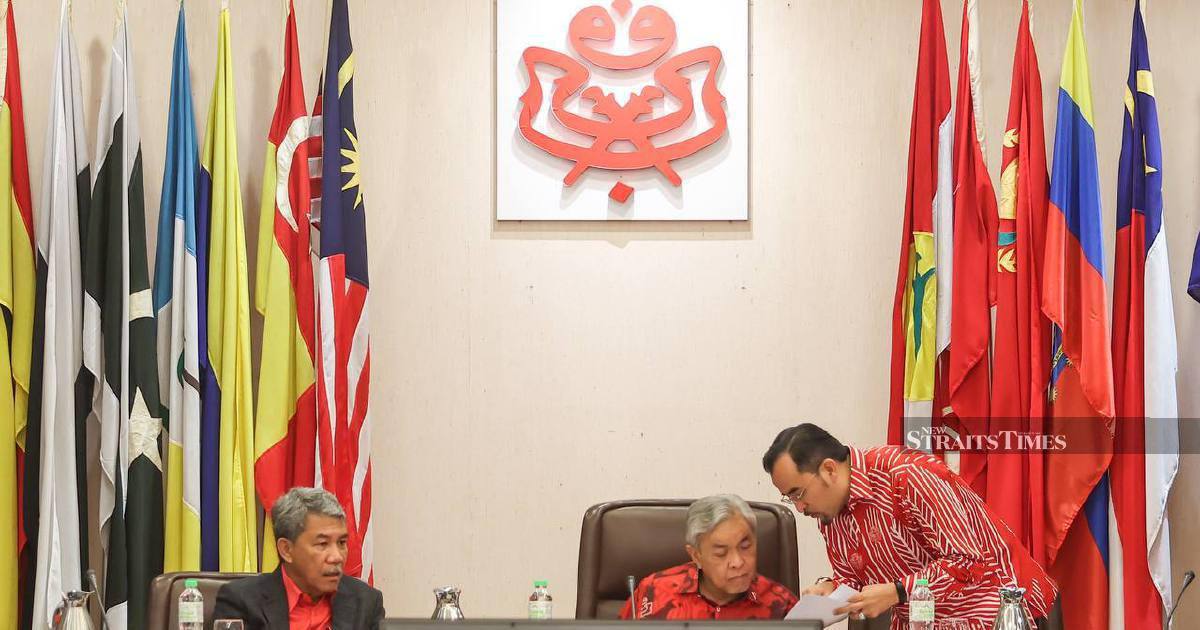
The principle of innocence until proven guilty remains a cornerstone of Malaysia's judicial system, according to Umno secretary-general Datuk Dr Asyraf Wajdi Dusuki, who has called for strict adherence to this constitutional safeguard in all detention and investigation procedures. Speaking on a matter of significant legal importance, Asyraf highlighted that persons held by authorities for questioning or investigation must not face treatment or public perception suggesting guilt before they have faced trial and conviction in a court of law.
This statement carries particular weight in Malaysia's current political and legal landscape, where high-profile investigations and arrests frequently dominate public discourse. The presumption of innocence, enshrined in Article 5 of the Federal Constitution, represents a fundamental protection against arbitrary state action and ensures that the burden of proof remains squarely on prosecutors. Asyraf's intervention suggests growing concern within political circles about how investigations are conducted and communicated to the public, particularly when prominent figures face scrutiny.
The timing of Asyraf's remarks reflects broader tensions in Malaysian law enforcement and justice administration. In recent years, the nation has witnessed numerous occasions where individuals arrested or detained for investigation have faced widespread public condemnation before judicial proceedings commence. This phenomenon, sometimes described as trial by media or public opinion, can prejudice both the investigative process and any subsequent legal proceedings, potentially undermining the integrity of the justice system itself.
Malaysia's legal framework explicitly protects the rights of those under investigation, yet implementation gaps occasionally emerge between theoretical protections and practical enforcement. Detention for investigation purposes differs fundamentally from conviction, as it serves the investigative process rather than punishment. Nevertheless, the stigma of arrest or detention can cause lasting damage to reputation, livelihood, and social standing. Asyraf's emphasis on maintaining the distinction between investigation and guilt acknowledges this reality and calls for greater sensitivity in how authorities and media handle such cases.
The Umno secretary-general's statement also carries implications for how Malaysia's law enforcement agencies interact with detained persons. While police possess legitimate authority to detain individuals for investigation under provisions such as the Criminal Procedure Code, such powers must be exercised with scrupulous adherence to constitutional protections and procedural safeguards. Detention should be conducted professionally and transparently, with proper notification of rights, access to legal counsel, and humane conditions of custody. Public perception of how police treat detainees influences public confidence in the entire justice system.
For Malaysian readers and regional observers, Asyraf's intervention underscores the ongoing evolution of Malaysia's democratic and judicial institutions. The country continues to navigate the balance between effective law enforcement and protection of individual liberties—a tension felt acutely when political figures become subjects of investigation. The principle Asyraf articulates applies equally to opposition politicians, government officials, and ordinary citizens, though its consistent application sometimes varies in practice.
The broader Southeast Asian context adds relevance to this discussion. Throughout the region, concerns have periodically surfaced regarding the treatment of those detained for investigation, with international human rights bodies scrutinising arrest procedures and conditions of custody. Malaysia's commitment to upholding the presumption of innocence represents alignment with international legal norms and demonstrates the country's aspiration toward strengthening rule of law governance.
Public communication about ongoing investigations presents another dimension to Asyraf's point. When authorities release details about investigations, the language and tone can inadvertently suggest guilt rather than mere suspicion. Professional law enforcement communication should distinguish clearly between allegations, findings during investigation, and established facts through court proceedings. This distinction becomes especially important for media outlets, which bear responsibility for reporting accurately without amplifying prejudicial narratives.
The statement reflects a broader civil society debate about how Malaysia can strengthen its justice system's credibility and public trust. Consistent application of constitutional protections, transparent investigative procedures, and respect for individual dignity during detention all contribute to a functioning and respected judiciary. When political leaders from major parties emphasise these principles publicly, it signals collective commitment to institutional integrity transcending partisan divisions.
Moving forward, Asyraf's intervention may influence how law enforcement agencies conduct investigations and communicate findings to the public. Training programs emphasising constitutional obligations, guidelines for appropriate conduct during detention, and clearer protocols for public communication all represent practical applications of the principle he advocates. Such measures strengthen both actual protections for the detained and public perception of the justice system's fairness and impartiality.

