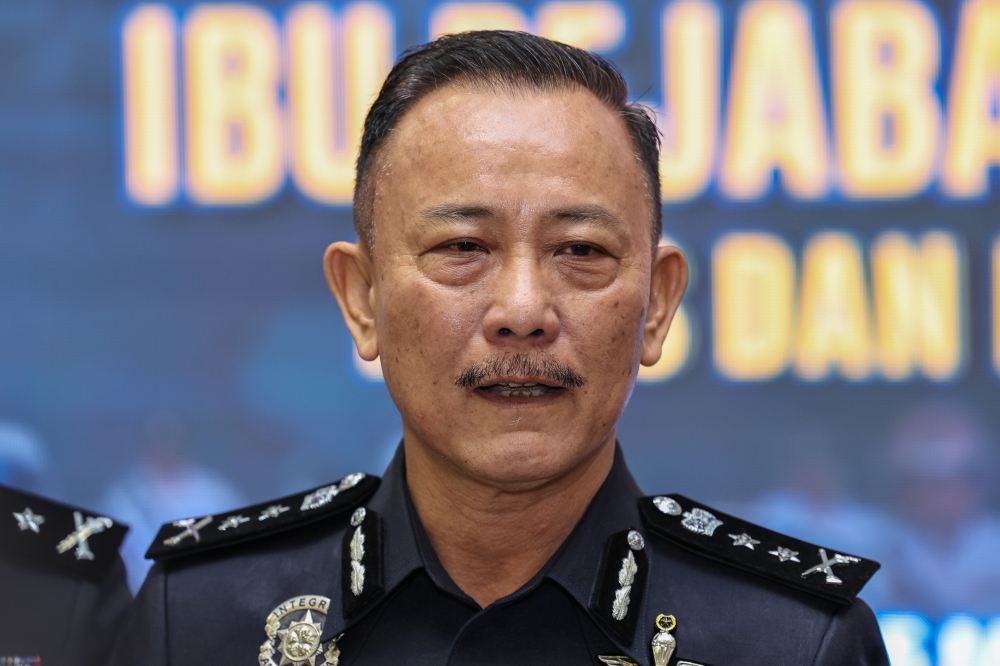
Johor police have made three arrests as part of their investigation into the death of a man whose body was found in a river in the state. The discovery marks a significant development in what began as a missing person case and has now evolved into a criminal inquiry as officers work to determine the exact circumstances that led to the man's death.
The arrested individuals are assisting police with their inquiries, a standard procedure when foul play is suspected in such cases. Investigators are focusing on gathering testimonies and evidence from those with potential knowledge of the deceased's movements in the days and hours before his body was discovered. The nature of the arrests—described as assistance with investigation rather than formal charges—indicates that authorities are still in the evidence-gathering phase of what could potentially develop into more serious criminal proceedings.
The discovery of the body in the river prompted an immediate escalation of investigative efforts. What had been a missing person inquiry, typically handled through appeals for public information and checks of known locations, transformed into a more intensive criminal investigation once the deceased was located. This shift reflects the seriousness with which state police are treating the case and the apparent indicators that suggest circumstances beyond a simple accident or natural cause.
In Johor, which has occasionally faced media attention over criminal investigations in recent years, the case underscores ongoing challenges related to public safety and the responsiveness of law enforcement. The relatively swift arrest of three individuals suggests that either witnesses came forward quickly or that investigators identified persons of interest through preliminary forensic work at the scene. The speed of the police response typically indicates that the initial investigation yielded actionable leads.
For Malaysian readers, cases involving bodies recovered from waterways often raise questions about investigative thoroughness and the capacity of state police forces to handle complex criminal matters. The Johor police's swift action in this instance demonstrates proactive investigation work, though the outcome will ultimately depend on the quality of evidence gathered and the clarity of circumstances that emerge during questioning.
The involvement of three separate individuals raises questions about whether this was an isolated incident or one involving multiple parties. The nature of their connection to the deceased—whether as acquaintances, associates, or bystanders with relevant information—remains unclear pending further investigation. Multiple arrests in such cases often indicate that police are pursuing either a theory of collective involvement or are systematically eliminating persons who may have been present in relevant locations.
The investigation's progression will likely follow standard Malaysian police procedures, including forensic examination of the body to determine cause of death, examination of the scene where the body was found, and reconstruction of the deceased's movements prior to death. These elements are typically coordinated between the Criminal Investigation Division and specialist units, depending on the suspected nature of the crime.
The media and public attention these cases generate in Johor often reflects broader concerns about personal safety and the security of residential areas and public spaces. When bodies are recovered from rivers, questions naturally arise about how someone came to be in such circumstances and whether preventative measures might have averted tragedy. The investigation's findings may thus carry implications beyond the immediate case, particularly if they reveal systemic vulnerabilities or patterns of criminal activity.
Families of missing persons in Malaysia frequently endure extended periods of uncertainty that can last days or weeks before bodies are recovered. The relatives of the deceased in this case would have experienced the initial distress of a missing person report, followed by the profound grief of confirmation through tragic discovery. The police response, including the prompt arrests, may provide some measure of reassurance that authorities are pursuing answers about what occurred.
As the investigation continues, the police will be seeking to establish a clear timeline of events and determine whether the three arrested individuals were witnesses, involved in contributing circumstances, or directly responsible for any criminal act. The standard procedure of holding persons for questioning allows police up to 24 hours for initial inquiry before decisions are made regarding charges or release.
The case reflects the ongoing work of Malaysian law enforcement in addressing serious crimes and responding to the concerns of bereaved families seeking answers. The outcome of this investigation, including whether charges are ultimately filed and what they reveal about the circumstances of death, will likely be closely followed both locally and regionally, as such cases often draw attention to aspects of public order and criminal justice effectiveness.
Community reactions to such incidents in Johor typically reflect concern for personal safety and confidence in police capabilities. The visible police response demonstrated through these arrests may help reassure residents that serious matters receive appropriate investigative attention, though broader public confidence depends on transparent and timely resolution of the case.

