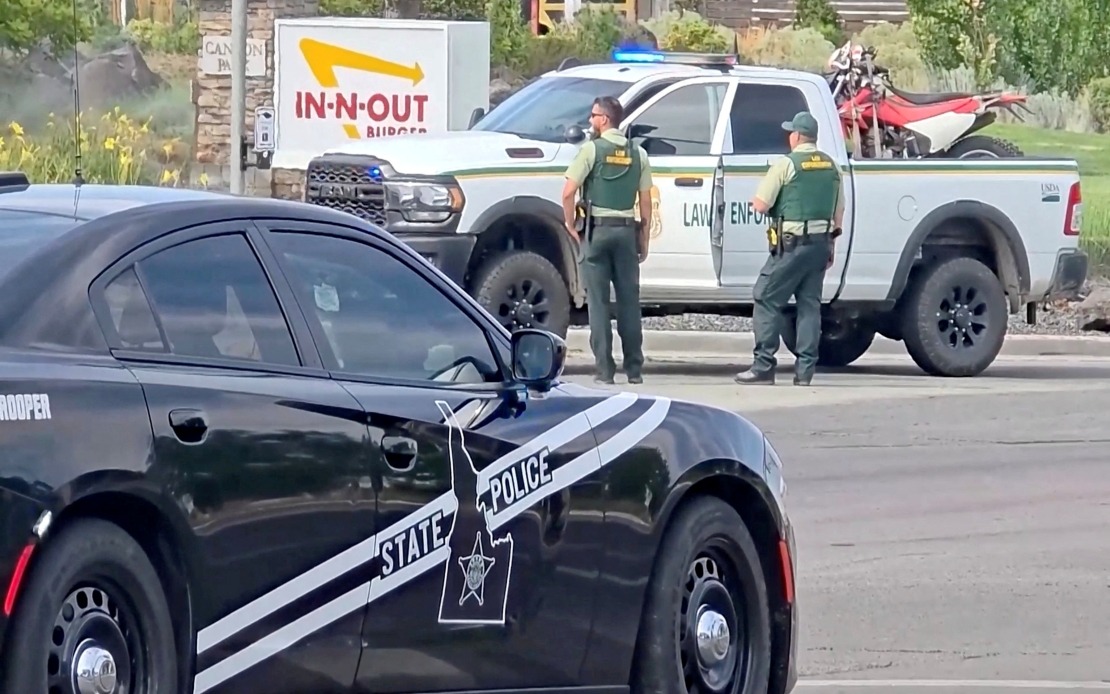
A mass shooting at an In-N-Out Burger restaurant in Twin Falls, Idaho has claimed three lives and left seven others with injuries, according to local law enforcement officials. The incident unfolded on Saturday afternoon in the heart of a densely populated shopping district, raising fresh concerns about firearm violence in the United States and the vulnerability of public gathering spaces.
The shooting took place approximately at 2 pm local time at the fast-food establishment, which operates as part of a major commercial complex that was bustling with hundreds of people when gunfire erupted. Joshua Palmer, public information coordinator for the city of Twin Falls, confirmed the casualty figures and noted that several of the injured sustained critical wounds requiring immediate medical attention. The rapid response from emergency services meant that survivors received urgent care, though the psychological impact on witnesses remains significant.
In a notable development, law enforcement personnel discovered the body of the suspected shooter in a location adjacent to the restaurant premises. Authorities have not yet confirmed whether this individual is included in the death toll of three, suggesting the possibility that up to four people may have died in the incident. Twin Falls Police Chief Matthew Hicks conveyed reassurance to the public during a media briefing, stating that investigators had determined the immediate threat to community safety had been neutralized with the discovery of the gunman's body.
The investigation into the circumstances surrounding the attack remains in its early stages. Police are continuing efforts to establish the identity of the perpetrator and to comprehend the motivation that may have driven the shooting. Authorities have withheld the names, ages, and other identifying details of the victims pending completion of family notifications, a standard protocol that reflects both respect for grieving relatives and investigative considerations.
The location of the incident adds another dimension to public safety concerns in America. The Twin Falls shopping area, where the In-N-Out outlet is situated, represents a typical American commercial hub where families and shoppers congregate regularly. That such an incident could unfold in broad daylight in a crowded public venue underscores the pervasive nature of gun violence across diverse settings in the United States, from schools and workplaces to retail establishments and recreational venues.
For international observers, particularly those from Southeast Asia where gun ownership is heavily regulated, incidents of this scale serve as a stark reminder of the different approach to firearms policy in the United States. Malaysia and other regional nations have strict licensing requirements and limited civilian access to firearms, a framework that stands in sharp contrast to the constitutional protections and relatively permissive regulatory environment governing gun ownership in America.
The Twin Falls shooting joins a lengthy catalogue of mass casualty incidents in the United States that have sparked ongoing debate about gun control measures, mental health services, and security protocols in public spaces. Each incident renews discussions about the effectiveness of existing legislation and whether additional safeguards could prevent such tragedies.
Responding to mass shootings has become a established procedure for American law enforcement agencies, with protocols for securing crime scenes, conducting investigations, and managing public communication well-established. However, the frequency with which these procedures are activated highlights a persistent challenge facing American society. The Idaho incident occurred during a period when the nation continues to grapple with how to balance constitutional rights with public safety imperatives.
The presence of hundreds of people in the shopping plaza at the time of the shooting raises additional investigative questions about the sequence of events and whether warning signs preceded the violence. Witnesses will likely provide crucial information about the shooter's behavior and any interactions that occurred before the gunfire commenced. The broad geographic dispersal of people in the commercial area would have required rapid coordination among first responders to locate and assist all affected individuals.
Community response to such incidents typically involves both immediate crisis management and longer-term trauma support services. Local authorities in Twin Falls will likely establish resources for survivors, families of victims, and witnesses who experienced the violence directly. Mental health professionals typically mobilize to assist those affected by mass shooting incidents, recognizing the significant psychological toll such events inflict on communities.

