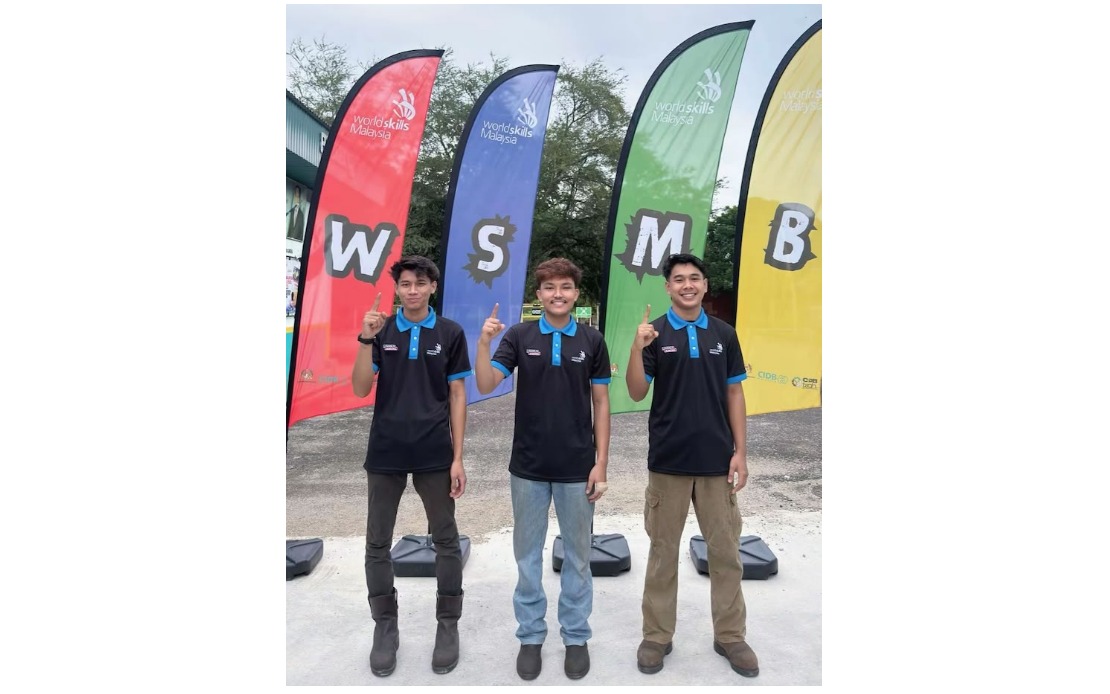
What began as the Malaysian Skills Champion Competition in 1990 under the fourth Prime Minister, Tun Dr Mahathir Mohamad, has evolved into WorldSkills Malaysia Belia (WSMB), a cornerstone institution for developing skilled professionals across multiple sectors. Over more than three decades, the initiative has transformed through several iterations—the Anugerah Tangan Emas Perdana Menteri (1991-2006), MySkills (2007-2013), and its current form since 2014—yet its core mission remains unwavering: to identify exceptional talent and prepare them to represent Malaysia on the international stage.
The mechanics of WSMB extend beyond a simple competition framework. Winners advance through carefully designed development and training pathways that position them as candidates for the WorldSkills international competition, where they compete against peers from around the world. This progression system ensures that only the most committed and capable individuals emerge as representatives, elevating Malaysia's standing in the global skills landscape. The programme's reach encompasses construction, manufacturing, oil and gas, energy, and maritime industries—sectors critical to Southeast Asia's economic diversification.
Operational responsibility falls to the Malaysian Construction Academy (ABM) and CIDB Technologies, both CIDB-accredited institutions maintaining training facilities and infrastructure aligned with international benchmarks. This institutional framework distinguishes WSMB from informal apprenticeship models; participants receive exposure to globally standardized practices and equipment from the outset. Mohd Hafiz Dasahi, chief executive officer of CIDB Technologies Sdn Bhd, frames the initiative not merely as competition but as systematic talent production designed to strengthen Malaysia's industrial competitiveness. He emphasizes that today's investment in workforce development directly determines the nation's position in tomorrow's economic landscape.
Curriculum development prioritizes alignment with actual industry requirements rather than theoretical knowledge alone. Training programmes integrate cutting-edge technology and emphasise work-readiness—a distinction that matters significantly in Southeast Asia's increasingly technology-driven manufacturing and construction sectors. Graduates emerge not only technically proficient but capable of meeting international standards, a critical advantage for workers seeking employment across the region's cross-border labour markets.
Assessment mechanisms reflect this comprehensive approach. Welding participants, for instance, face evaluation across measurement accuracy, workmanship quality, adherence to welding procedures, time management, problem-solving capacity, and occupational safety and health compliance. Beyond technical dimensions, the competition cultivates softer competencies—self-confidence, discipline, resilience, and the internalized drive toward continuous improvement. These qualities prove essential when workers transition to professional environments where independent judgment and adaptability determine career progression.
Industry partners play an increasingly active role in shaping the programme's relevance and effectiveness. Lincoln Energy Sdn Bhd and Vinxus Mark Sdn Bhd, both welding equipment suppliers, recognize their stake in producing competent professionals and commit resources accordingly. They provide machinery, consumables, and technical guidance throughout competitions, ensuring participants gain authentic exposure to industry-standard equipment and processes. This collaboration strengthens the feedback loop between educational institutions and employers, preventing training from drifting toward obsolescence as technologies and market demands shift.
Participant testimonies reveal the programme's tangible impact on individual trajectories. Ahmad Syafie Dasuki, twenty years old from Tumpat, Kelantan, entered WSMB with foundational welding experience from nearly two years of workshop employment in Kemaman, Terengganu. Competition participation accelerated his skill development and exposed him to contemporary technologies unavailable in smaller regional workshops. His progression exemplifies how WSMB bridges the gap between provincial apprenticeship and globally competitive professionalism, particularly valuable for youth from less industrialized areas seeking pathways to stable, well-remunerated careers.
Muhammad Fazran Md Rashid @ Yusoff, aged twenty-one and currently employed at a welding company in Kulim, Kedah, articulates a complementary narrative. His participation enhanced technical knowledge while simultaneously building the psychological resilience necessary for sustained career development. This dual impact—technical competence coupled with personal discipline and confidence—distinguishes WSMB graduates in competitive labour markets where employers value both hard skills and professional demeanour.
Mohd Sahmi Irfan Sulaimi, twenty, from Setiu, Terengganu, adopts an advocacy stance, encouraging peers to seize WSMB opportunities. His emphasis on challenge-reframing and continuous improvement reflects the mindset cultivated through structured competition. Beyond immediate skill acquisition, participants build professional networks with peers, trainers, and industry specialists—social capital invaluable when navigating career transitions or pursuing advancement within evolving industrial sectors.
The programme's regional significance warrants closer attention from Malaysian policymakers and Southeast Asian observers. As nations across the region compete for manufacturing investment and infrastructure development, workforce capability becomes a strategic differentiator. WSMB's three-decade track record demonstrates that systematic talent development, when resourced adequately and aligned with industry needs, produces professionals capable of meeting and exceeding international standards. This institutional model offers a template for neighbouring economies seeking to professionalize their own vocational sectors.
Looking forward, WSMB faces opportunities and pressures. Technological acceleration—particularly in automation, digital fabrication, and Industry 4.0 applications—demands continuous curriculum evolution. Similarly, competing countries increasingly invest in vocational excellence, intensifying competition at international skills competitions. Sustaining Malaysia's edge requires sustained commitment to infrastructure upgrades, trainer development, and industry partnership deepening. The evidence suggests that investment yields returns through improved workforce productivity, reduced skills mismatches, and enhanced regional competitiveness.
The programme also addresses broader Southeast Asian labour market dynamics. As workers increasingly migrate across borders for employment, internationally recognized credentials become essential. WSMB graduates equipped with skills validated against global standards gain mobility and earning capacity advantages. This benefit accrues not only to individual participants but to Malaysia's reputation as a source of reliable, competent professionals—an intangible asset that supports the nation's positioning within regional value chains and attracts inward investment from multinational enterprises.
Ultimately, WSMB represents a sustained commitment to bridging the gap between education and employment, between provincial opportunity and global competitiveness. Through rigorous assessment, industry collaboration, and systematic development pathways, it transforms ambition into capability. As Malaysia navigates post-pandemic economic repositioning and regional competition intensifies, such institutional investments in human capital development become increasingly strategic. The next phase of WSMB's evolution will likely determine whether Malaysia maintains its vocational leadership or yields ground to competitors investing equally in workforce excellence.

