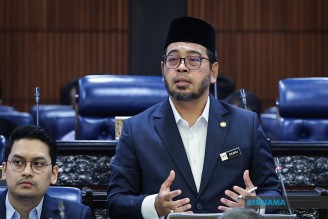
A combination of questionable investments and problematic corporate relationships left Lembaga Tabung Haji substantially worse off, with the institution's entanglement in Putrajaya Perdana Bhd effectively serving as a conduit into 1Malaysia Development Bhd's troubled financial sphere. Minister in the Prime Minister's Department (Religious Affairs) Dr Zulkifli Hasan disclosed during a special parliamentary session that this single investment resulted in RM145.3 million in losses for TH, while simultaneously ensnaring Malaysia's pilgrimage fund in broader 1MDB-related transactions that would ultimately prove deeply damaging to the institution's financial health.
The extent of TH's exposure to problematic investments became clearer when the Royal Commission of Inquiry's report identified Putrajaya Perdana as merely one of 14 concerning allocations that collectively contributed to losses reaching several billion ringgit across the 2014 to 2020 period. The structural issues underlying these investments reflected fundamental governance weaknesses, with decision-making processes that prioritized other interests over TH's fiduciary obligations to its members. When TH's then-chairman simultaneously held the chairmanship of Putrajaya Perdana, the conflicts of interest became institutionalized, creating a framework where the pilgrimage fund's resources could be directed toward objectives that benefited connected parties rather than TH's core mission of managing funds for Malaysian pilgrims.
Additionally troubling was TH's acquisition of land at the Tun Razak Exchange from 1MDB during the peak of public controversy surrounding the investment fund. This transaction exemplified the problematic intersection of these entities, with TH effectively providing financial support to 1MDB during a period when the fund's financial integrity was under serious question. The involvement of TH's chief executive officer on 1MDB's board of directors further complicated the picture, raising fundamental questions about whose interests were genuinely being served when TH committed millions to these ventures. Dr Zulkifli articulated this concern directly, questioning whether such investments reflected TH's genuine strategic priorities or merely represented mechanisms through which the pilgrimage fund subsidized the financial difficulties of other organizations.
The FGV Holdings listing represents another instructive case study in how seemingly successful ventures ultimately generated substantial losses for TH. The initial public offering, hailed nationally as Malaysia's largest and celebrated for raising more than RM10 billion, subsequently deteriorated in value as market conditions changed. Rather than managing this decline through prudent decision-making, TH continued accumulating losses while share prices collapsed by more than 80 per cent. Most troublingly, rather than transparently acknowledging the mounting deficit, TH adjusted its impairment policy in ways that obscured rather than clarified the true scale of financial deterioration. This approach essentially used accounting maneuvers to conceal losses rather than taking timely corrective action, ultimately leaving the fund's members unaware of the genuine extent of value destruction.
TH's subsequent recovery efforts have involved purchasing back assets previously disposed of, albeit at significant losses compared to original selling prices. The TRX land transaction exemplifies this pattern: TH had sold the property in 2018 for RM400 million during a period of financial pressure, only to repurchase it several years later at RM270 million as current market valuations, representing a net loss of RM130 million even after the recovery purchase. Similarly, TH reacquired the oil palm plantation of UJ Estates (Holdings) Sdn Bhd after initially selling it for RM800 million, with the repurchase this year priced at RM695 million based on contemporary market valuation, translating to an additional RM105 million loss when inclusive of the RM115 million cash component. These transactions reveal an institution forced to unwind previous decisions at substantially reduced valuations, further eroding the long-term returns available to TH's beneficiaries.
The public disclosure of the Royal Commission of Inquiry report on July 29 provided unprecedented transparency into the management failures and institutional weaknesses that characterized TH's operations throughout this period. The 211-page document documented governance deficiencies, inadequate oversight mechanisms, and decision-making frameworks that failed to adequately protect the institution's financial interests or member assets. Rather than representing isolated incidents, these problems reflected systemic vulnerabilities that persisted across the 2014 to 2020 timeframe, suggesting that TH's leadership structures, board composition, and internal controls all required fundamental reformation.
The RCI process itself represented a delayed but ultimately necessary accountability mechanism, having been established in 2021 with formal member appointments occurring on January 20, 2022. The report's presentation to the King on August 30, 2022, underscored the seriousness with which Malaysia's highest authorities regarded TH's institutional failures. The RCI submitted 25 recommendations for systemic improvement, with Dr Zulkifli indicating that as of July 30, approximately 75 per cent of these recommendations had already been implemented by TH's management. This relatively rapid implementation rate suggests that the institution's leadership recognized the urgency of addressing foundational weaknesses and restoring the confidence of TH's 8.7 million members.
The implications of these financial losses extend beyond TH's balance sheet to affect millions of Malaysian pilgrims who depend on the institution to manage their hajj savings. Every ringgit lost to questionable investments represents diminished purchasing power when these members ultimately undertake their pilgrimage obligations. For lower and middle-income Malaysians who view TH as a trusted custodian of their religious and financial obligations, the revelation of systematic governance failures and substantial losses raises legitimate concerns about asset protection and institutional management standards. The recovery process now underway must therefore balance immediate corrective measures with longer-term structural reforms ensuring such vulnerabilities cannot recur.
Looking forward, TH's restoration requires not merely accounting adjustments or selective asset repurchases, but fundamental recalibration of governance structures and investment decision-making processes. The institution must establish clear separation between TH's leadership and external entities where potential conflicts might arise, strengthen independent board oversight, and implement transparency mechanisms that provide regular reporting to members regarding asset allocation and performance. The FGV experience particularly illustrates risks associated with concentrated holdings in single equities, suggesting TH should embrace more diversified portfolio approaches less vulnerable to catastrophic declines in any individual holding. As TH rebuilds its financial position, the government and broader Malaysian society must ensure that the lessons from this period inform institutional design across other government-linked entities managing public resources.

