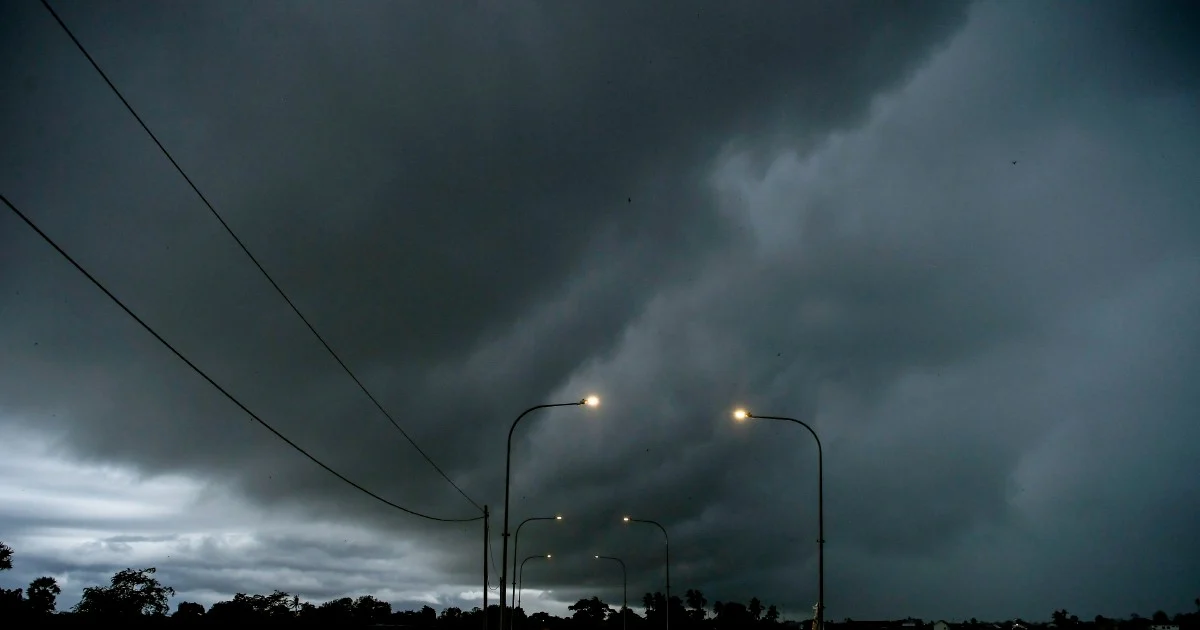
Malaysia's weather monitoring authority has activated a severe weather alert covering vast swathes of the country, with residents across Peninsular Malaysia as well as the East Malaysian states of Sabah and Sarawak urged to prepare for deteriorating atmospheric conditions. The Malaysian Meteorological Department issued the thunderstorm warning early today, cautioning that the convergence of moisture-laden air masses and unstable atmospheric conditions would generate intense rainfall episodes and potentially damaging gusts through the remainder of the afternoon until the alert expires at 5pm.
The affected regions face a triple threat from the developing weather system. Heavy precipitation is expected to fall across scattered locations, with some areas potentially receiving substantial accumulated rainfall within short timeframes. This pattern of intense, localised downpours creates significant flooding risks in urban drainage systems and low-lying communities where water evacuation infrastructure may become overwhelmed. Additionally, the thunderstorm complex brings elevated wind speeds that could topple unsecured structures, damage vegetation, and pose hazards to anyone caught in exposed outdoor locations during the height of the weather event.
For Peninsular Malaysia, the warning blankets the entire landmass, meaning residents from Perlis to Johor should remain alert and monitor the developing situation. The warning's geographic scope underscores the scale of the meteorological disturbance generating these conditions. Sabahans and Sarawakians meanwhile face similar weather dynamics, with the warning system covering both states to ensure comprehensive coverage of areas vulnerable to rapid deterioration in conditions.
The timing of the alert extending only until 5pm suggests the meteorological department's confidence that the system will weaken or shift by early evening. However, this compressed warning window demands immediate public response. Commuters should consider adjusting travel plans, particularly those planning journeys through flood-prone corridors or areas with limited visibility during heavy downpours. Drivers navigating highways and secondary roads must exercise heightened caution, as sudden visibility reduction and road surface water accumulation create dangerous driving conditions that contribute significantly to accident statistics during tropical thunderstorm seasons.
For businesses and commercial operations, the afternoon warning presents operational challenges. Outdoor activities and construction work should be suspended or moved indoors where feasible, protecting both personnel safety and equipment from water damage and dangerous electrical activity. Schools and educational institutions in affected areas may need to implement contingency dismissal procedures to ensure students reach home safely before conditions potentially worsen during afternoon peak hours.
Homeowners and property managers should conduct rapid visual assessments of drainage systems, ensuring gutters and downspout channels remain clear for optimal water evacuation. Securing loose outdoor items, checking window and door seals to prevent internal water penetration, and locating emergency supplies including flashlights and first aid materials constitute practical preparatory measures. Those living adjacent to rivers, streams, or coastal areas should review evacuation routes and contact procedures should flooding materialize.
The Malaysian Meteorological Department's advisory system represents a critical public safety mechanism in a tropical nation where thunderstorm systems are commonplace yet remain capable of generating severe impacts. The department's technical capabilities in atmospheric monitoring, radar observation, and predictive modelling enable authorities to provide population centres with actionable advance warning, albeit sometimes with limited lead time. Public awareness and response to such alerts significantly determines whether severe weather results in minor disruptions or cascading emergencies.
Historically, similar afternoon thunderstorm systems across Malaysia have produced flash flooding in urban areas, overwhelmed drainage infrastructure in city centres, and caused multiple traffic incidents where visibility became critically impaired. Power disruptions sometimes accompany such systems when lightning strikes infrastructure or fallen vegetation contacts power lines. Emergency services typically experience elevated call volumes during and immediately following severe thunderstorm passages, responding to accident reports, flooding notifications, and requests for assistance from stranded motorists.
The convergence of multiple meteorological variables driving this alert—instability, moisture availability, and dynamic forcing mechanisms—represents typical tropical weather pattern behaviour. Such systems occur with regularity throughout Malaysia's monsoon cycles and inter-monsoon periods, making thunderstorm preparedness an integral component of national disaster risk management. Public education initiatives emphasizing individual and family-level preparedness during forecast alerts help distribute resilience responsibilities beyond official emergency services.
As evening approaches and the 5pm expiration time nears, conditions should gradually stabilize as the triggering atmospheric mechanisms weaken or systems move away from Malaysian territory. However, residual moisture and localized instability may generate scattered activity even after the formal alert conclusion. Residents are advised to maintain weather awareness through official channels including MetMalaysia updates, television weather bulletins, and mobile phone warning systems that provide continuing situation assessments as conditions evolve throughout the day.

