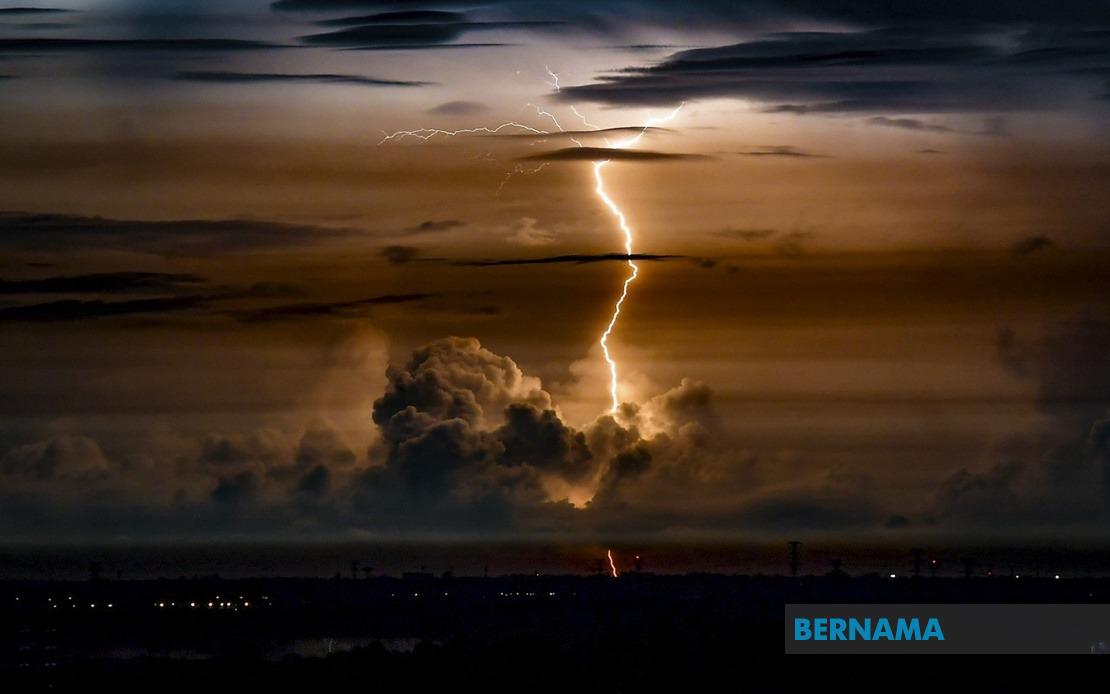
Residents across much of Malaysia should prepare for severe weather today, as the Malaysian Meteorological Department has warned of thunderstorms, heavy rainfall and strong winds affecting 10 states plus Kuala Lumpur through the evening hours until 7pm. The alert underscores the importance of staying informed about rapidly developing weather patterns during the monsoon season, when atmospheric instability can produce dangerous conditions with little warning.
In the northern region, Kedah faces threats across five districts: Pokok Sena, Padang Terap, Pendang, Sik and Baling are all expected to experience the severe weather systems. This coverage reflects the vulnerability of the state's central and northern agricultural zones to sudden atmospheric disturbances. Similarly, Perak has been placed on alert across a broad swathe of territory, including the districts of Larut, Matang dan Selama, Hulu Perak, Kuala Kangsar, Kinta, Kampar, Batang Padang and Muallim, indicating that weather systems are likely to sweep across both lowland and elevated terrain throughout the state.
On the east coast, Kelantan and Terengganu face concurrent threats from the advancing weather fronts. In Kelantan, the warning extends to Kota Bharu, Bachok, Machang and Pasir Puteh, covering both coastal and inland areas. Terengganu's alert zone encompasses Kuala Nerus, Hulu Terengganu, Kuala Terengganu, Marang and Dungun, creating a continuous band of caution along a significant portion of the peninsula's eastern flank. These east coast states are particularly exposed to sudden weather changes during certain seasons, making such alerts critical for public safety.
The central region of Peninsular Malaysia also faces considerable risk. Pahang's warning applies to the hill station area of Cameron Highlands alongside lower-elevation districts including Lipis, Raub, Bentong, Temerloh and Bera. This geographic diversity means that communities ranging from highland cooler zones to tropical lowlands must prepare for severe conditions. In the Klang Valley region, Selangor's alert covers Hulu Selangor, Gombak, Petaling and Hulu Langat, potentially affecting millions who live and work in Malaysia's most densely populated state.
The southern peninsula is not spared from the warning. Johor's three affected districts—Segamat, Kluang and Mersing—represent scattered pockets across the state, suggesting that the thunderstorm systems may be patchy in nature rather than uniformly distributed. This pattern requires residents to remain vigilant even in areas outside the primary warning zones, as isolated but severe cells could still develop.
East Malaysia is equally affected by the alert. Sarawak's warning covers four geographically dispersed areas: Betong in the southwest, Sarikei with its sub-districts of Pakan, Sarikei and Meradong, the urban centre of Sibu and Mukah's subdivisions of Tanjung Manis, Daro and Matu. The coverage reflects Sarawak's size and the need for district-level precision in weather forecasting. Sabah likewise faces threats across three distinct zones: the Interior district of Tambunan, the West Coast region and Kudat in the north, demonstrating that severe weather systems are expected to affect disparate regions of the state.
The emphasis on thunderstorms carries particular significance beyond simple inconvenience. Lightning strikes associated with thunderstorms pose serious risks to human life and infrastructure. Strong winds can damage structures, uproot trees and create hazards for vehicles and maritime activity. Heavy rainfall, especially in areas already saturated from recent weather patterns or in flood-prone districts, can trigger flash flooding and landslides. Residents in all affected areas should take precautions such as securing loose outdoor items, staying indoors during peak intensity periods and avoiding unnecessary travel during the warning window.
The timing of the alert—concluding at 7pm—suggests that the most dangerous conditions are expected during the afternoon and early evening hours, typically the period of maximum atmospheric energy. Commuters and those planning outdoor activities should adjust schedules accordingly to minimize exposure. Schools, workplace supervisors and public transportation operators should remain prepared to implement contingency measures if conditions deteriorate rapidly.
The breadth of this alert across such diverse geographical and climatic zones reflects the complexity of weather systems during Malaysia's monsoon transitions and inter-monsoon periods. Residents are advised to monitor updates from MetMalaysia closely, as weather warnings can be upgraded or extended if conditions warrant further action. This is particularly important in the current era of climate variability, where weather patterns can shift with increasing intensity and unpredictability.
For those in the affected areas, preparation now can significantly reduce risks. Ensuring adequate supplies of fresh water, maintaining fully charged mobile devices, securing important documents and having emergency contact information readily available are all prudent steps. Businesses dependent on outdoor operations should consider temporary closures or modifications to safety protocols during the warning period to protect employees and customers.

