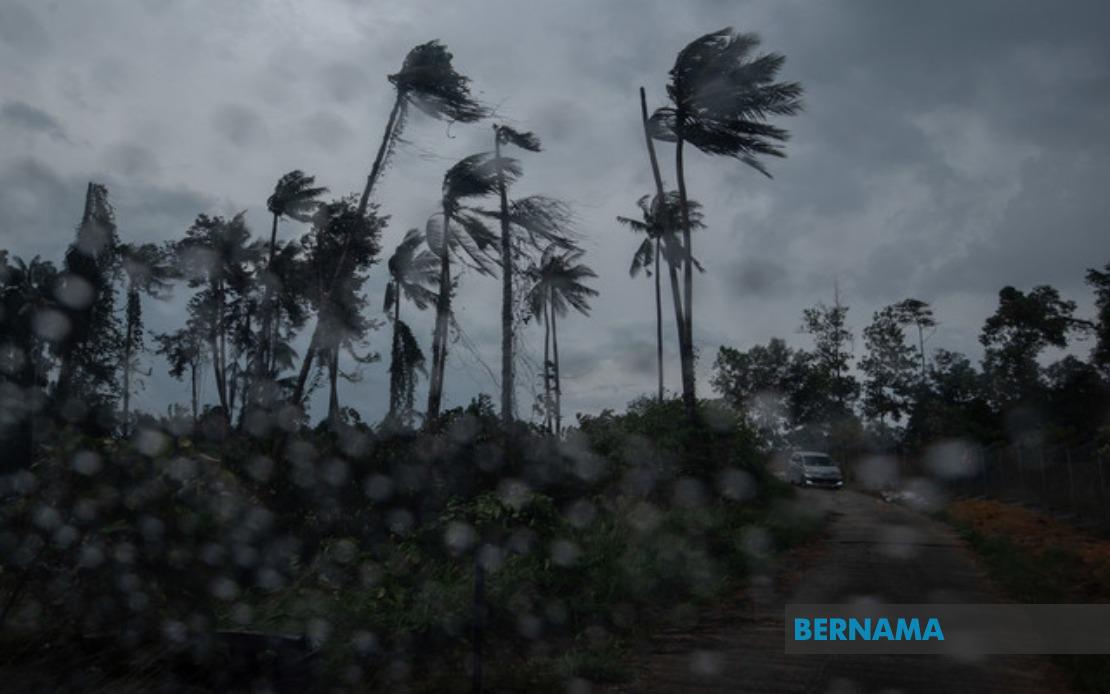
The Malaysian Meteorological Department issued a widespread weather alert early this morning, cautioning residents across multiple states to prepare for severe weather conditions expected to persist until 1pm. The advisory, released at 8:35am, highlights a significant weather system bringing thunderstorms, torrential rainfall and gusty winds to populated areas spanning both Peninsular Malaysia and the state of Sarawak on the island of Borneo.
In Peninsular Malaysia, the alert encompasses the entirety of Perlis and Melaka, two strategically important states—the former sharing a border with Thailand and the latter positioned across the Strait of Malacca from Singapore. Three districts within Kedah have been flagged as particularly vulnerable: Langkawi, the popular island tourist destination; Kubang Pasu, an industrial area; and Kota Setar, the state capital. These northern regions face particular risk given their geography and existing monsoon patterns during this season.
The central and southern regions have similarly been placed under heightened alert. Three districts in Pahang—Kuantan, the state capital and a major commercial hub; Pekan, home to the royal residence; and Jerantut, a gateway to Taman Negara—are on the warning list. In Selangor, both Sepang and Kuala Langat district face expected severe weather, with implications for the Kuala Lumpur International Airport vicinity and surrounding residential areas. Five districts in Negeri Sembilan have been identified: Port Dickson, a coastal town; Seremban, the state capital; Rembau; Kuala Pilah; and Tampin. Johor's Tangkak and Muar districts round out the Peninsular coverage.
Across the South China Sea, Sarawak faces similar meteorological challenges. Nine districts have been placed under the alert: Mukah and Selangau in the central coastal region; Sibu, Sarikei and Maradong in the Rajang River catchment area; Bintulu on the central coast; Kapit in the interior; and Bukit Mabong and Subis in the Miri division. This widespread geographic spread across Sarawak indicates a substantial weather system affecting the state's populated areas.
The severity of such alerts warrants careful attention from residents and businesses in affected areas. Heavy rainfall, particularly when concentrated over short periods, poses flooding risks to low-lying communities, transport infrastructure and agricultural activities. Thunderstorms bring lightning hazards, while strong winds can damage structures, uproot vegetation and disrupt power supplies. For a maritime nation like Malaysia with significant waterway and coastal transport, these conditions create navigation hazards.
MetMalaysia's classification of this as a short-term warning, valid for no more than six hours per advisory, reflects the unpredictable and rapidly-evolving nature of tropical weather systems. This means the department may issue updated alerts throughout the morning as conditions develop. Residents should monitor official weather updates and heed guidance from local authorities regarding outdoor activities, travel plans and securing loose objects that could become hazardous in strong winds.
The August period typically marks a transitional phase in Malaysia's monsoon patterns. While the Southwest Monsoon dominates this season, isolated thunderstorms triggered by localized heating and atmospheric instability remain common. However, the coordination of multiple affected areas across such diverse geographic locations suggests an organized weather system rather than scattered isolated storms, potentially indicating a more substantial weather feature moving through the region.
For those in affected districts, practical precautions include securing boats and maritime equipment, ensuring adequate drainage around homes and businesses, and avoiding unnecessary travel during peak rainfall hours. Motorists should exercise caution, as visibility may deteriorate rapidly and road surfaces may become slippery. Parents and educators in affected areas should monitor official guidance regarding school activities and outdoor programs.
The economic implications of such weather events, though short-lived, warrant consideration. Manufacturing facilities, construction sites and agricultural operations in affected areas may experience disruptions. Port operations at coastal districts could face temporary suspensions. The cumulative impact across so many districts simultaneously underscores why MetMalaysia's early warning system plays a crucial role in national preparedness and public safety infrastructure.

