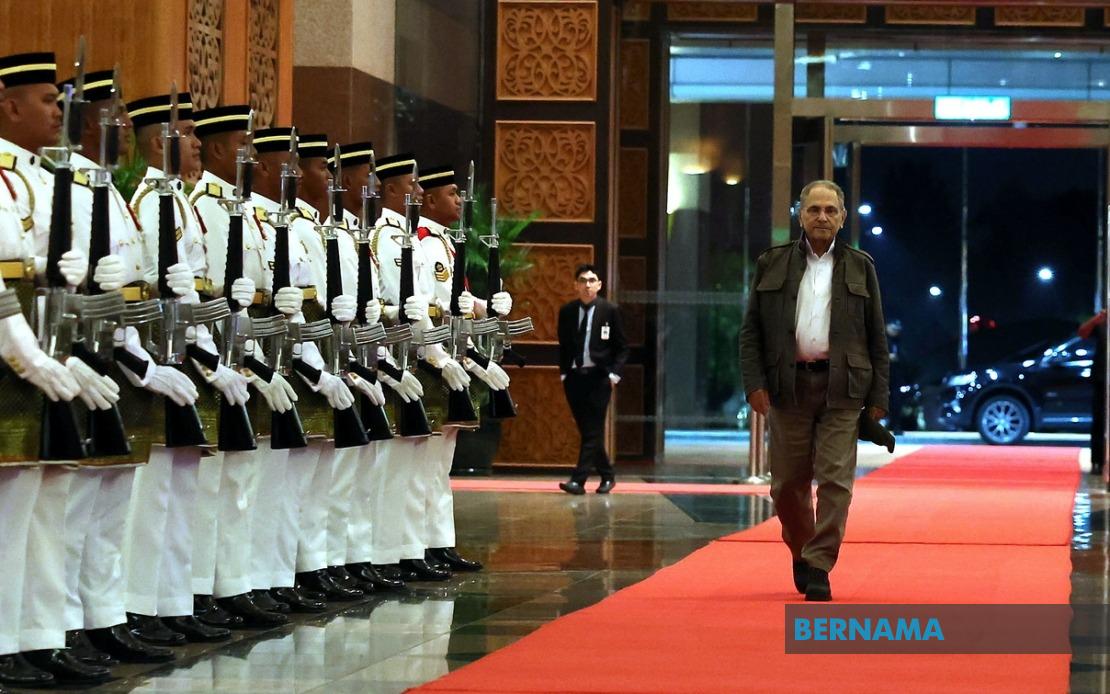
President Jose Ramos-Horta of Timor-Leste departed Malaysia early today after completing a five-day official visit designed to deepen bilateral relations and advance regional cooperation between the two nations. The Nobel Peace Prize laureate and his delegation made their way to Kuala Lumpur International Airport Terminal 1 in the pre-dawn hours, boarding a Batik Air flight scheduled to return him to Dili. The departure was marked by formal diplomatic protocols, including a static Guard of Honour comprising officers and personnel from the First Battalion Royal Ranger Regiment.
The timing of Ramos-Horta's visit carries particular significance for Southeast Asia, arriving at a moment when Timor-Leste has just consolidated its membership within ASEAN following formal accession on October 26, 2025. During his stay, the Timorese leader engaged in substantive discussions with Malaysian counterparts regarding the mechanics of regional integration and the practical steps required to position his nation as a functional ASEAN member. This represents a critical juncture for Timor-Leste, as the country navigates its transition from observer status to full participant in Southeast Asian affairs.
Central to Ramos-Horta's engagement during the visit was a prominent dialogue session titled "A Changing World, Enduring Values" held on June 15, where he articulated his assessment of Malaysia-Timor-Leste relations as "exceptionally good." The characterisation is not merely diplomatic courtesy but reflects genuine warming of ties following decades in which the two nations operated at arm's length. Ramos-Horta specifically acknowledged Malaysia's achievements across multiple domains including security institutions, democratic governance, and economic advancement, signalling that Timor-Leste views Malaysia as a model for regional development and stability.
A substantial portion of the presidential discourse focused on historical Malaysian support for Timor-Leste's sovereignty and independence journey. The Timorese leader explicitly thanked Malaysia for its backing during the 1999 UN-sponsored peacekeeping intervention and for consistent diplomatic support prior to formal independence in 2002. This historical acknowledgement underscores Malaysia's role in legitimising Timor-Leste's entry into the international system and validates the broader Southeast Asian commitment to self-determination principles, even when such commitments came at diplomatic cost.
Ramos-Horta reserved particular gratitude for Malaysia's instrumental role in facilitating Timor-Leste's ASEAN membership bid during Malaysia's most recent ASEAN chairmanship. This support proved decisive in navigating the consensus-based decision-making processes that characterise ASEAN enlargement. For Malaysian policymakers, backing Timor-Leste's accession represented a strategic investment in regional stability and in expanding ASEAN's capacity to address transnational challenges across the entire Southeast Asian archipelago, including maritime security, counterterrorism, and economic integration.
Looking forward, Ramos-Horta expressed confidence that Timor-Leste would successfully host the ASEAN Summit in 2029, a responsibility that carries substantial logistical and diplomatic implications. The government in Dili is expediting infrastructure development to meet the hosting requirements, a project that presents significant opportunities for Malaysian construction companies and consulting firms. For Malaysian readers, the prospect of Timor-Leste hosting ASEAN in 2029 signals a concrete timeline for regional engagements and reinforces the importance of sustained cooperation with the newest ASEAN member.
Economic considerations featured prominently in the presidential discussions, with Ramos-Horta actively marketing investment opportunities in Timor-Leste's infrastructure sector to Malaysian business interests. The Timorese leader highlighted several factors that should appeal to Malaysian investors: the country maintains a relatively low sovereign debt level, possesses a substantial and well-managed sovereign wealth fund, and benefits from support extended by major multilateral financing institutions including the World Bank and Asian Development Bank. These parameters suggest that Timor-Leste may represent an underutilised destination for Malaysian capital seeking exposure to Southeast Asian infrastructure development with relatively favourable risk-return profiles.
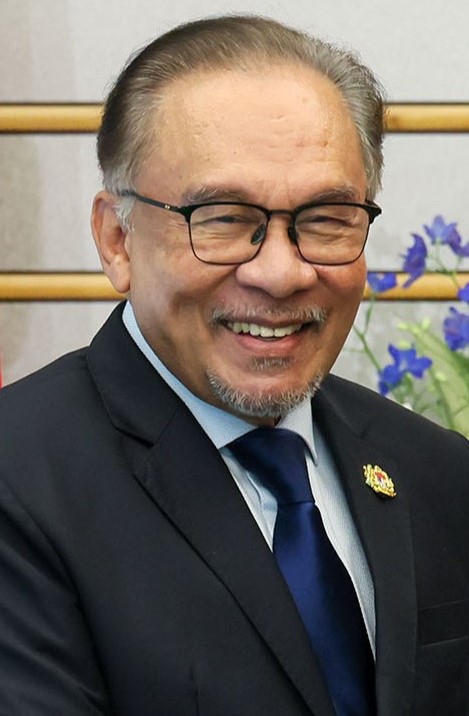
Prime Minister Datuk Seri Anwar Ibrahim hosted a formal luncheon in Ramos-Horta's honour at the Seri Perdana Complex, providing a setting for substantive bilateral negotiations between senior leaders. During this engagement, both governments identified trade expansion, foreign direct investment flows, human capital development initiatives, educational partnerships, and technical training programmes as priority areas for deepening economic and social cooperation. The breadth of these discussions indicates that both governments view the relationship as multifaceted rather than confined to traditional diplomatic or security spheres.
Current bilateral trade figures reveal significant asymmetry in the relationship, with Malaysia-Timor-Leste commerce reaching USD18.72 million in 2024. Malaysian exports dominated this trade relationship, comprising USD18.37 million of the total, while Timor-Leste's exports to Malaysia amounted to merely USD0.35 million. This pronounced imbalance suggests substantial room for rebalancing through deliberate trade facilitation measures and through developing complementary production capacities in the Timorese economy. For Malaysian exporters, the limited current trade volume indicates untapped market potential, particularly as Timor-Leste's economy diversifies beyond petroleum sector dependence.
The visit highlights Malaysia's continuing strategic importance within Southeast Asian institutional frameworks and its capacity to facilitate smooth integration of new members into regional architecture. By providing substantive support to Timor-Leste's ASEAN entry and hosting senior presidential visits, Malaysia reinforces its position as a stabilising force within ASEAN. For Malaysian policymakers, engagement with Timor-Leste represents an investment in broader ASEAN cohesion and in establishing frameworks for managing future enlargement or integration challenges that may emerge as Southeast Asian geopolitics evolve.
Ramos-Horta's visit also carries subtle implications for regional maritime security and resource management, given Timor-Leste's position as an island nation controlling strategic waters and substantial offshore petroleum reserves. Malaysia's engagement with Timorese leadership on security and governance matters reflects recognition that stable, well-governed Timor-Leste serves Malaysian interests across multiple domains including maritime traffic management, counterterrorism operations, and prevention of transnational crime. The strengthening of bilateral ties therefore extends beyond conventional economic metrics to encompass broader regional stability considerations that Malaysian policymakers must account for in long-term strategic planning.
Looking ahead, the five-day visit establishes momentum for deepening Malaysia-Timor-Leste cooperation across multiple sectors. Both governments have identified concrete areas for collaboration and have signalled political commitment to implementing agreements reached during this engagement. For Malaysian businesses and investors, the visit signals that the time to explore opportunities in Timor-Leste has arrived, as the country stabilises its ASEAN membership and accelerates infrastructure development. The visit ultimately demonstrates that Malaysia's role within Southeast Asia extends beyond managing established relationships to actively facilitating the integration of newer members and supporting their emergence as functional participants in regional institutions and economic networks.