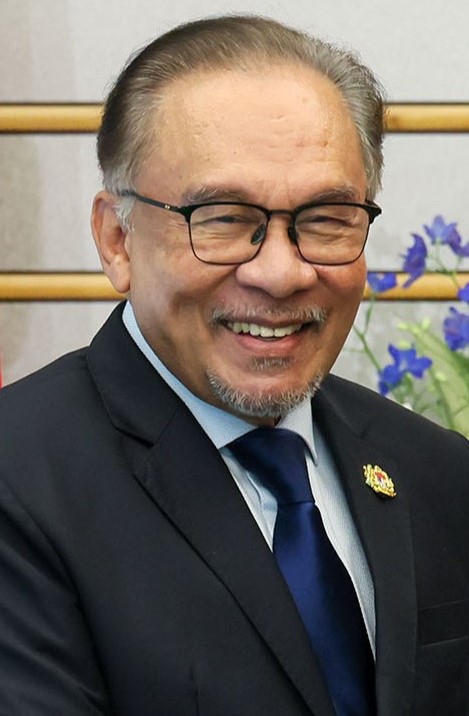
Tony Pua, who previously served as the member of parliament for Damansara, is bracing for imminent legal action following a significant shift in his standing with the police. Authorities have reassigned his status from a cooperative witness to that of a formal suspect in connection with remarks he made on Facebook regarding the Rukun Negara, Malaysia's national principles. This escalation substantially alters the trajectory of the case and heightens expectations that formal charges may be filed against the opposition politician in the coming weeks.
The investigation centres on social media commentary made by Pua, whose posts appear to have triggered concerns among authorities about potential violations of laws governing sedition or national harmony. The precise nature of his Facebook remarks—and how they contravene existing legislation—remains a subject of public debate, reflecting broader tensions between free expression and state definitions of acceptable political discourse in Malaysia. The shift to suspect status indicates investigators have gathered sufficient evidence in their assessment to support potential prosecution.
Pua's transition from witness to suspect represents a meaningful procedural development in Malaysian legal investigations. When questioned initially as a witness, he would have been interviewed to provide information and context. His elevation to suspect status suggests police investigators now regard him as someone against whom evidence may be directed, a designation that fundamentally changes his legal position and access to certain investigative safeguards. This reclassification typically precedes formal charges by weeks rather than months.
The case touches on longstanding tensions within Malaysia's political landscape regarding the boundaries of acceptable criticism and commentary on national symbols and foundational values. The Rukun Negara—comprising the principles of belief in God, loyalty to king and country, upholding the Constitution, rule of law, and mutual respect—occupies a foundational role in the nation's political identity. Yet the application of laws protecting these principles has become increasingly contested, with civil society groups and political observers expressing concerns about inconsistent enforcement and the potential chilling effect on legitimate political debate.
Pua's legal predicament reflects a pattern affecting opposition figures and critics in Malaysia, where investigations into social media commentary have become more frequent over the past decade. The intersection of digital platforms with traditional sedition laws has created ambiguity about what constitutes legally permissible criticism versus prohibited content, leaving room for discretionary enforcement. His case will likely draw scrutiny from international observers monitoring press freedom and democratic space in Southeast Asia, as well as from Malaysian civil society organisations focused on constitutional rights.
The investigation's focus on a Facebook post illustrates how authorities are utilising digital evidence in prosecutorial efforts. Social media has become a primary arena for political expression in Malaysia, particularly among younger voters and opposition supporters. The investigation methodology suggests prosecutors are comfortable pursuing cases based on online statements, a approach that carries implications for the broader landscape of political discourse and citizens' willingness to participate in public debate through digital channels.
Pua's background as a former parliamentarian and prominent opposition voice adds political dimensions to what authorities frame as a straightforward legal matter. His parliamentary immunity expired upon losing his seat, removing a layer of procedural protection he previously enjoyed. The timing and nature of the investigation may be perceived differently depending on one's political perspective—either as legitimate enforcement of laws protecting national symbols or as selective prosecution of opposition criticism.
The anticipated timeline of charges within weeks suggests investigators have completed their preliminary work and prosecutors are preparing documentation. This phase typically involves reviewing evidence, consulting with the Attorney-General's office, and finalising charges. The specific charges Pua may face could range from sedition offences under the Sedition Act 1948 to provisions within other legislation addressing national security or harmony, depending on how prosecutors interpret his Facebook comments and applicable law.
The case underscores ongoing debates within Malaysia about balancing national unity with democratic freedoms. The Rukun Negara itself, adopted in 1970 in response to the 1969 racial riots, was conceived as a unifying framework for national cohesion. However, the extent to which criticism of government policies or interpretation of national principles should be legally restricted remains contested among constitutional scholars, political analysts, and civil society advocates.
For the broader opposition and digital activists, Pua's situation serves as a cautionary case highlighting legal risks associated with social media political commentary. The investigation may influence how critics calibrate their public statements online, potentially creating self-censorship even beyond what existing laws strictly require. This dynamic—where legal uncertainty produces behavioural changes beyond formal legal restrictions—represents a significant consideration in assessing the investigation's broader implications for Malaysia's information environment.
The coming weeks will prove crucial in determining what charges prosecutors pursue and how Pua chooses to respond. His legal team will likely mount arguments about the post's context, protected speech considerations, and the appropriateness of criminal prosecution versus other regulatory mechanisms. The case will establish precedent regarding how Malaysian authorities prosecute social media political commentary, influencing the calculations of other public figures considering participation in online political discourse.
Regionally, the case adds to Malaysia's ongoing engagement with questions about democratic governance, constitutional interpretation, and civil liberties in Southeast Asia. As the region grapples with the intersection of digital communication and traditional legal frameworks, the outcomes of cases like Pua's shape the trajectory of political expression and democratic participation across the region.