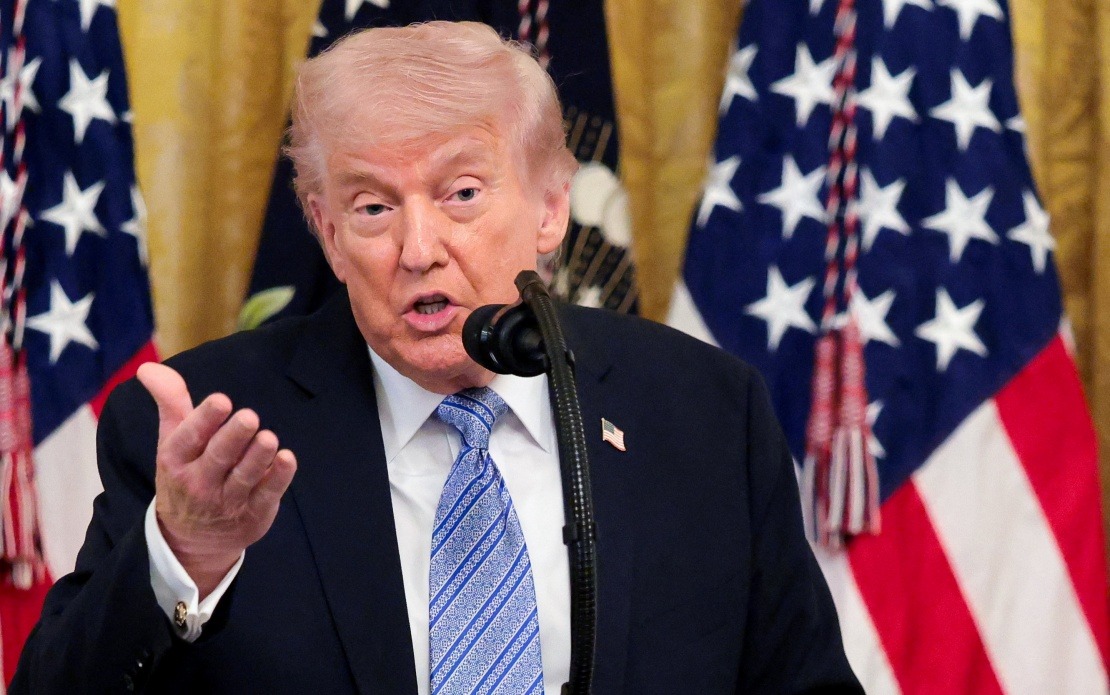
In a striking move that underscores his unconventional approach to international diplomacy, US President Donald Trump has expressed interest in FIFA President Gianni Infantino becoming the next secretary-general of the United Nations, according to reporting from the New York Post. The proposal reveals Trump's preference for outsider candidates to lead global institutions, continuing his pattern of seeking figures he believes can transcend traditional diplomatic channels.
Trump's confidence in the 56-year-old Swiss-born administrator stems from what aides describe as Infantino's exceptional talent for consensus-building across disparate international constituencies. According to individuals familiar with the president's thinking, Trump views Infantino as possessing a rare capacity to unite nations and constituencies that frequently find themselves in conflict. This assessment reflects Trump's broader conviction that conventional UN leadership has failed to adequately address major geopolitical crises demanding decisive multilateral coordination.
The relationship between Trump and Infantino deepened considerably during this year's World Cup, when the FIFA chief deliberately cultivated ties with the American president. Most notably, Infantino presented Trump with FIFA's inaugural Peace Prize in December, a gesture carefully calculated to demonstrate alignment with Trump's diplomatic priorities. These interactions provided Trump with direct exposure to Infantino's interpersonal capabilities and reinforced his belief that the football administrator possessed qualities essential for international leadership.
The path to such an appointment, however, presents substantial institutional obstacles. The UN Charter establishes a specific approval process requiring nomination by the five permanent Security Council members—a group that includes Russia and China, both nations frequently at odds with American interests. Any single permanent member possesses veto authority, meaning Infantino would require consensus even among adversaries before the proposal could advance to the General Assembly for confirmation. The incoming secretary-general will commence a five-year term on January 1, 2027, replacing current chief Antonio Guterres.
Trump's proposal must be understood within the context of his well-documented scepticism toward UN effectiveness and legitimacy. Throughout his presidency, Trump has consistently criticized the organization as ineffectual in addressing major conflicts and has questioned whether it merits American financial support. His administration has dramatically cut US funding commitments to the institution and withdrawn American participation from multiple UN-affiliated bodies, most prominently the World Health Organization, signalling deep frustration with multilateral institutional structures.
Last year, Trump created a separate US-led Board of Peace, an initiative that sparked considerable international speculation about whether his administration intended to construct an alternative global governance apparatus to replace traditional UN mechanisms. While Trump denied such claims, the existence of this parallel structure reflected his determination to pursue bilateral peace agreements through alternative channels, most notably his involvement in negotiations between Israel and Palestinian groups. This institutional innovation suggests Trump views the conventional UN framework as inadequate for addressing contemporary security challenges.
For Malaysian and Southeast Asian policymakers, Infantino's potential elevation would carry profound implications. The region has consistently depended on UN mechanisms for dispute resolution, humanitarian coordination, and legitimization of international positions on matters ranging from maritime sovereignty to refugee protection. An outsider administrator without diplomatic background might either streamline these processes or fundamentally destabilize established procedures that developing nations rely upon for equitable voice in global affairs.
Infantino's sports administration background could introduce novel approaches to multilateral cooperation, potentially drawing on the inclusive, rule-based frameworks that govern international football. Conversely, his limited experience with security challenges, development policy, and humanitarian crises raises questions about his capacity to navigate the extraordinary complexity inherent in UN leadership. The organization's secretariat regularly confronts situations requiring deep institutional knowledge, established relationships with member states, and credibility among competing power blocs.
The proposal also reflects broader transformation in American foreign policy under Trump's renewed administration. Rather than selecting establishment figures or career diplomats, Trump demonstrates preference for individuals he perceives as pragmatic operators capable of delivering results outside conventional structures. This approach has produced both achievements and significant international tensions, depending on one's assessment of his previous foreign policy initiatives.
Should Infantino emerge as a serious candidate, his nomination would represent an unprecedented merger between global sports governance and UN leadership. It would signal American intention to deprioritize traditional diplomatic credentials in favour of demonstrated ability to manage complex international organizations with diverse constituencies. Whether such an experiment would strengthen or weaken UN effectiveness remains fundamentally uncertain, particularly given existing great power tensions that show little sign of diminishing.

