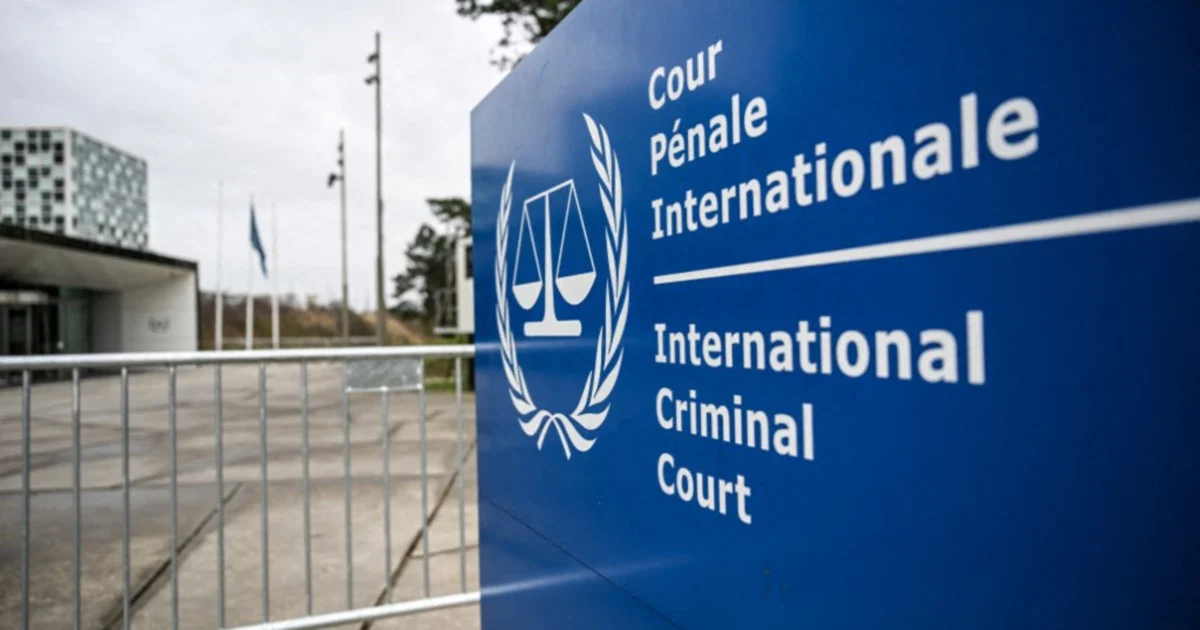
The Trump administration faces mounting legal opposition to its newly announced sanctions against the International Criminal Court, with two prominent US-based advocacy groups filing suit this week on constitutional grounds. The lawsuit represents an escalation in challenges to the administration's hardline stance toward the tribunal, which has increasingly become a flashpoint in American foreign policy debates.
The two organisations bringing the case argue that the sanctions regime violates fundamental First Amendment protections that guarantee freedom of expression and advocacy. Their legal challenge signals that opponents of the administration's ICC strategy are prepared to contest the measures through the courts, not merely in political discourse or diplomatic channels.
The timing of the lawsuit coincides with a broader diplomatic campaign launched by US officials, who have intensified efforts this week to undermine the court's authority and standing. The administration's multifaceted approach combines financial penalties, diplomatic pressure, and public statements designed to constrain the ICC's operations and influence globally.
For Southeast Asian observers, the development carries implications beyond Washington's internal political disputes. The ICC possesses jurisdiction over international crimes including genocide, crimes against humanity, and war crimes—matters that have occasionally touched the region. Any weakening of the institution's capacity could affect accountability mechanisms that some nations and civil society groups view as important safeguards.
The advocacy groups' constitutional argument centers on the principle that individuals and organisations retain the right to support, fund, or associate with international bodies without governmental interference. They contend that sanctions penalising such engagement effectively suppress protected speech and association, even when directed at foreign entities. This theory of liability extends traditional First Amendment doctrine to the context of international institutions.
The administration's position reflects longstanding American skepticism toward multilateral courts perceived as hostile to US interests. Previous administrations have expressed concerns about ICC investigations potentially affecting American citizens or allies. The current push, however, appears more aggressive in its scope and diplomatic intensity than earlier iterations of this opposition.
The court itself has become a target for criticism from both American conservatives and some international observers who argue it operates with insufficient oversight and occasionally pursues investigations selectively. Defenders of the institution counter that member states signed the Rome Statute voluntarily and that the court serves an essential function in the international legal system, particularly when domestic justice mechanisms fail.
Malaysia, as a non-signatory to the Rome Statute, remains outside the ICC's direct jurisdiction, but the institution's effectiveness matters to the broader regional security architecture. Should the court's authority diminish significantly, it could affect the international mechanisms available for addressing transnational crimes and accountability questions that periodically arise in Southeast Asia.
The lawsuit's progression through American courts remains uncertain, and judges must weigh competing interests between the administration's claimed national security prerogatives and constitutional protections for political expression. Previous courts have sometimes deferred to executive judgment on foreign policy matters, though the outcome is rarely predetermined when fundamental rights are implicated.
The dispute underscores broader tensions within American foreign policy between unilateral approaches and multilateral frameworks. The advocacy groups' legal intervention suggests that substantial constituencies within the United States oppose dismantling international institutions, even those with which the current administration disagrees. This internal American debate will likely influence how aggressively officials pursue their ICC strategy in coming months.
International observers, including countries with their own complicated relationships with the ICC, will monitor the lawsuit's development closely. The outcome could signal whether the United States intends to maintain some constraints on its anti-ICC campaign or whether deeper institutional conflict lies ahead. For regional governments navigating relationships with Washington whilst maintaining commitments to international legal frameworks, the unfolding situation presents an additional consideration in their diplomatic calculations.

