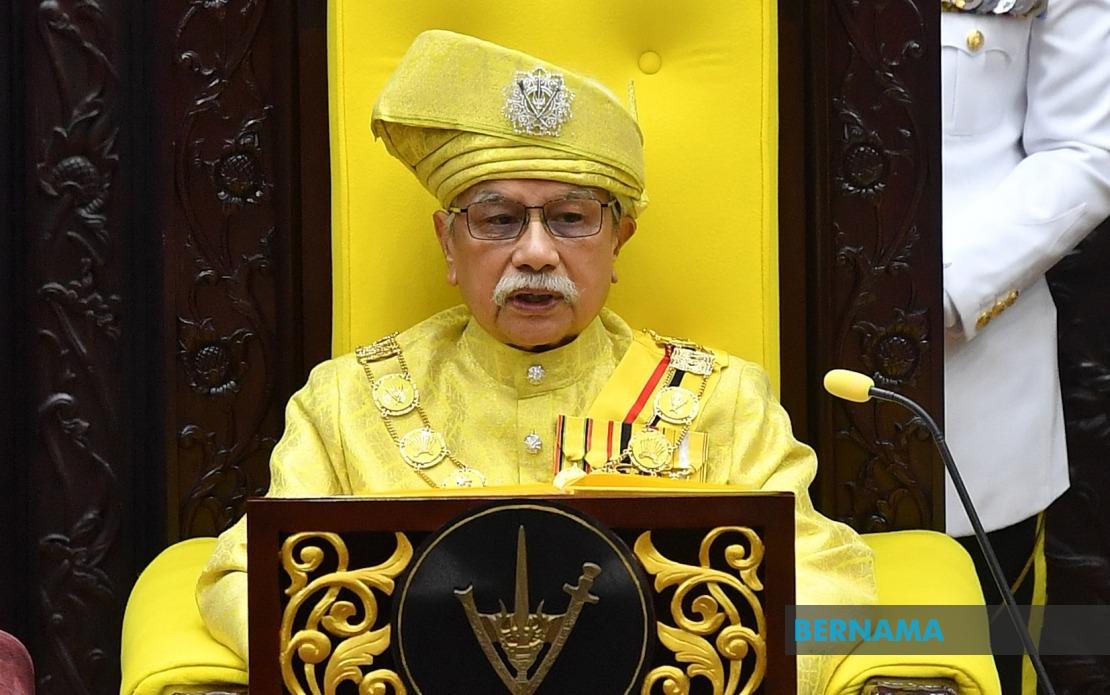
The Yang Dipertuan Besar of Negeri Sembilan, Tuanku Muhriz Tuanku Munawir, has consented to conduct a royal audience ceremony this Saturday at Istana Besar Seri Menanti to formally recognise the installation of the new Undang of Luak Rembau. The decision was announced by Tunku Besar Seri Menanti, Tunku Ali Redhauddin Tuanku Muhriz, following his meeting with the Datuk-Datuk Adat of Rembau at the istana in Kuala Pilah.
Hassan Ab Hamid, 67, has been selected as the 22nd Undang of Rembau through the Kerapatan Buapak Delapan ceremony conducted by the Biduanda Nan Dua Carak customary clan. The selection process adhered strictly to the established adat customs and traditions that have governed leadership transitions in the Rembau district for generations. According to Datuk Juan Datuk Zulkipli Shamsudin, who chaired the selection ceremony, the entire procedure was conducted in accordance with the time-honoured practices that define Negeri Sembilan's distinctive governance framework.
The installation ceremony, formally known as Istiadat Menghadap Menjunjung Duli Bagi Menyempurnakan Kejadian Undang Luak Rembau, represents a significant milestone in Negeri Sembilan's constitutional and cultural life. This represents the transition of leadership in one of the state's most important traditional offices. The ceremony will bring together representatives from the adat community to witness the formal recognition of the selection that has already been made through customary channels, underlining the separation between the selection process itself and the royal formalisation that follows.
Tunku Ali Redhauddin conveyed his father's consent with an explicit clarification of the constitutional and customary framework governing this process. He stated that matters relating to the ceremony and its preparations would be coordinated between the adat leaders and the Orang Empat Istana, the traditional council responsible for palace affairs. The Tunku Besar's remarks emphasised that the Yang Dipertuan Besar's role is fundamentally one of recognition and endorsement rather than selection, a crucial distinction that reflects Negeri Sembilan's unique constitutional arrangements under the Adat Perpatih system.
The Adat Perpatih system, which governs customary law and traditional leadership in Negeri Sembilan, operates distinctly from the appointment structures found in other Malaysian states. Under this framework, the selection of an Undang originates entirely from within the community through established adat procedures. The Yang Dipertuan Besar does not exercise discretionary power to choose candidates; rather, he receives delegations from the luak when they formally seek an audience to present their decision. Once the customary processes have concluded and a consensus has been reached within the community, the royal audience serves to grant formal consent and symbolic recognition to that decision.
This distinction carries significant constitutional importance and reflects centuries of governance evolution in the state. Datuk Juan clarified that any misinterpretation suggesting the Yang Dipertuan Besar independently appoints individuals to the position of Undang fundamentally misrepresents the adat principles that have structured Negeri Sembilan since its founding. The system demonstrates how traditional governance can coexist with constitutional monarchy, with each institution maintaining its distinct and complementary roles. The Yang Dipertuan Besar's position as custodian of adat values remains central to the system's legitimacy, even as the actual selection mechanisms rest with community leaders.
The vacancy created by Hassan Ab Hamid's appointment follows the passing of his predecessor, Datuk Lela Maharaja Datuk Muhamad Sharip Othman, who died on May 15, 2024, at the age of 83. Datuk Lela Maharaja had served the community for many years and his death marked the end of an era in Rembau's traditional leadership. The selection process for his successor would have involved careful deliberation among the adat leaders regarding candidates who possessed not only the requisite genealogical qualifications but also the respect and confidence of the community they would serve.
For Malaysian readers unfamiliar with Negeri Sembilan's unique constitutional position, the state occupies a distinctive place within Malaysia's federal structure. As one of the original Federated Malay States, it retained its traditional system of elected rulers and customary governance even after independence. The Adat Perpatih system represents one of Southeast Asia's oldest surviving traditional governance frameworks and continues to shape how leadership transitions occur in the state's administrative divisions. Understanding these mechanisms is essential for comprehending how Malaysia's plural system accommodates multiple legal and governance traditions simultaneously.
The Saturday ceremony will draw significant attention from cultural and constitutional observers throughout Malaysia. For the people of Rembau, it represents both continuity with their traditions and a moment of formal transition as Hassan Ab Hamid assumes his responsibilities as Undang. The role carries considerable significance within the luak system, as the Undang serves as custodian of adat traditions, mediator in community disputes, and representative of the district's interests to the wider state administration. His appointment through proper customary channels ensures his legitimacy within these traditional structures, even as the Saturday ceremony provides formal state recognition.
The coordination between adat leaders and the Orang Empat Istana in the coming days will focus on finalising ceremonial details to ensure the occasion reflects the significance of the transition and respects both traditional and contemporary protocols. Given the formal nature of the event and its place within Negeri Sembilan's constitutional calendar, the ceremony will likely draw attendance from senior government officials, representatives from other luaks, and community leaders from throughout the state. The event will serve as a visible affirmation of how Negeri Sembilan continues to navigate the intersection between traditional governance structures and modern constitutional arrangements.
For observers of Malaysian federalism and traditional governance, the Saturday ceremony demonstrates the ongoing vitality of customary institutions within the broader Malaysian state. Rather than viewing adat systems as historical relics, the continued formal recognition of Undang installations and other traditional ceremonies shows how these institutions have adapted and persisted within the modern nation-state. The careful articulation by Tunku Ali Redhauddin of the proper constitutional roles within the selection process reflects conscious efforts to maintain these distinctions even as external pressures and modernising forces continually reshape Malaysian society and governance structures.

