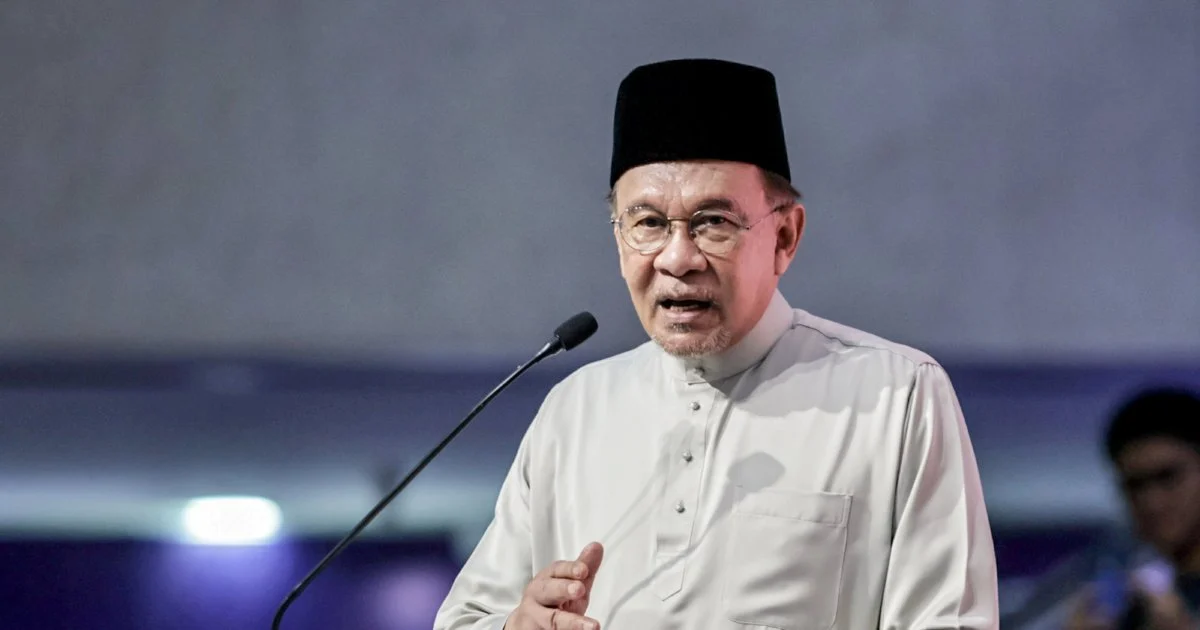
The Tunku Mahkota of Johor, Tunku Ismail Sultan Ibrahim, extended an audience to Prime Minister Datuk Seri Anwar Ibrahim during the latter's visit to Kuala Lumpur, underscoring the ongoing engagement between the royal institution and the federal executive branch. The meeting was characterised as amicable and free-flowing in nature, reflecting the stable relationship between Malaysia's institutions of state and government leadership.
Such formal audiences between senior royalty and the Prime Minister represent an important facet of Malaysia's constitutional monarchy system. The Tunku Mahkota of Johor holds a significant position within the federation's royal hierarchy, and his willingness to receive the Prime Minister signals continued institutional cooperation on matters of national importance. These personal interactions between the head of government and senior members of the royal families serve multiple purposes beyond ceremonial convention, often providing a crucial channel for discussing policy matters and ensuring alignment between different branches of Malaysia's governance structure.
The Johor royal household, in particular, wields considerable influence within Malaysian politics and society given the state's strategic location and economic importance. The Tunku Mahkota's role as heir apparent to the Johor throne places him in a unique position of growing authority, and his relationship with the federal government carries implications for state-federal relations. Johor, as Malaysia's second-largest state by population and a major economic contributor, frequently intersects with federal initiatives in infrastructure, development, and security matters.
Prime Minister Anwar Ibrahim has demonstrated a proactive approach to engaging with Malaysia's various stakeholders since assuming office. His visits to meet with royalty, business leaders, and other institutional figures reflect a deliberate strategy of fostering consensus and building broad-based support for his government's agenda. The cordial nature of today's audience suggests that no significant tensions exist between his administration and the Johor royal establishment, a consideration that matters given Johor's political weight and resource base.
The meeting occurs within a broader context of Malaysia's constitutional arrangements, where the Malay rulers maintain significant powers and prerogatives. While the Prime Minister heads the government and oversees day-to-day administration, the rulers retain constitutional authority over matters concerning Islam, royal customs, and certain legislative powers within their respective states. Regular engagement between these two levels of leadership helps ensure that divergent interests are managed harmoniously and that major policy shifts receive tacit acceptance from key constituencies.
Tunku Ismail Sultan Ibrahim has in recent years taken a more visible public profile, engaging with contemporary issues affecting Johor and the nation broadly. His educational background and exposure to international affairs have positioned him as a modernising influence within the royalty, sometimes advancing views on governance and development that resonate with progressive sections of society. This audience with the Prime Minister may have touched upon strategic initiatives affecting Johor, including infrastructure projects, economic development zones, or security matters that require coordination between state and federal authorities.
For Malaysian observers, such meetings carry symbolic weight beyond their immediate substance. They indicate that the machinery of state governance is functioning smoothly and that institutions are communicating effectively. Any breakdown in formal channels between royalty and the executive could signal underlying tensions that might eventually surface in policy disputes or political disagreements. Conversely, positive audiences demonstrate stability and institutional health at a time when Malaysia continues to navigate complex economic challenges and evolving geopolitical dynamics in Southeast Asia.
The timing of Prime Minister Anwar Ibrahim's engagement with the Tunku Mahkota also reflects his broader outreach strategy to consolidate support for his government's reform agenda. Building goodwill with influential institutions and personalities has become essential for any Prime Minister seeking to advance significant policy changes, particularly those involving fiscal management, institutional reform, or redistribution of resources between states. The visible cordial nature of this meeting serves to reassure stakeholders that his administration maintains constructive relationships with Malaysia's traditional power centres.
Looking forward, the frequency and content of such audiences will likely continue to signal the health of state-federal relations in Malaysia. Any perceptible cooling in these interactions, or conversely, any dramatic increase in the frequency of such meetings, could indicate shifting political dynamics. For now, today's harmonious audience underscores the continuity of Malaysia's institutional framework and the commitment of both parties to maintaining channels of dialogue that have served the nation's stability through its modern history.

