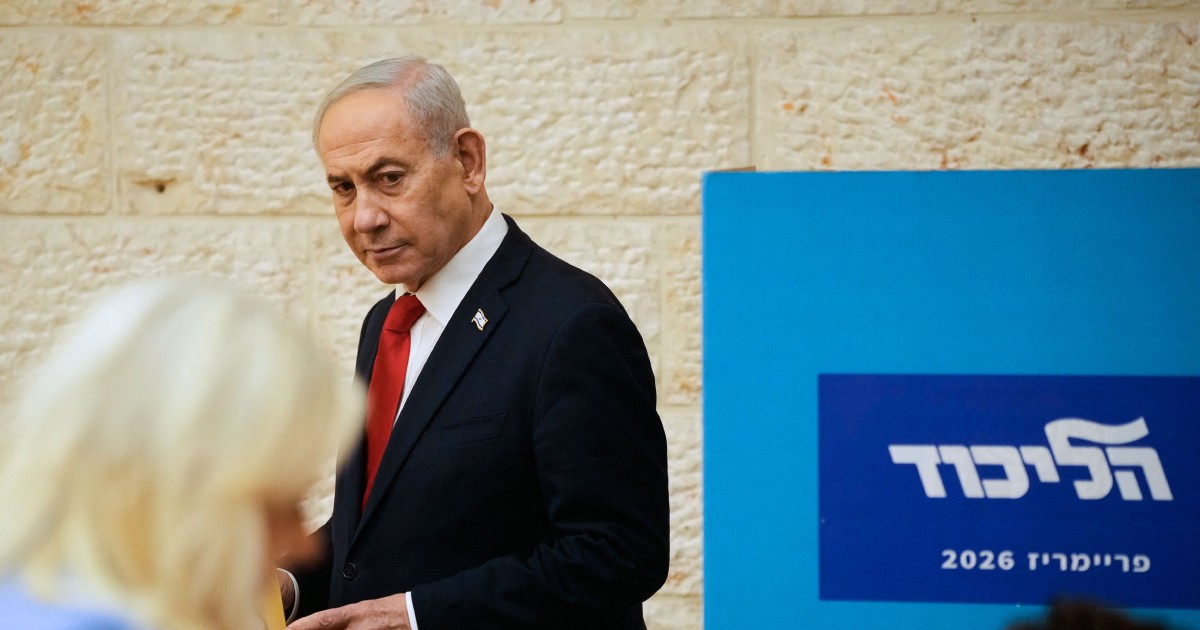
Turkey has formally issued an international arrest warrant targeting Israeli Prime Minister Benjamin Netanyahu, marking an escalation in tensions between the two Middle Eastern nations. Justice Minister Akin Gurlek announced the development on Friday, specifying that the warrant stems from an ongoing investigation into Israel's interception of a humanitarian aid flotilla destined for Gaza. The move represents a significant diplomatic development that underscores deepening rifts between Ankara and Jerusalem over Israel's military operations and treatment of civilians in the Palestinian territory.
The arrest warrant relates specifically to the seizure of the aid vessels, an incident that has become a focal point of contention between Turkey and Israel. The flotilla's interception occurred during a period of intense military operations in Gaza, and Turkey has viewed the action as both a violation of international maritime law and a humanitarian breach. By pursuing formal legal mechanisms through an international arrest warrant, Turkey has elevated the dispute beyond rhetorical condemnation to the level of binding judicial instruments. This approach signals Ankara's commitment to holding Israeli leadership accountable through established international protocols.
The timing of this announcement carries particular weight given the broader regional dynamics affecting Southeast Asia's trade relationships and diplomatic positioning. Turkey, as a NATO member nation with significant geopolitical influence spanning Europe, the Middle East, and Central Asia, maintains considerable sway in international forums. For countries like Malaysia and other ASEAN members that have expressed concern about humanitarian conditions in Gaza, Turkey's legal action demonstrates one approach to leveraging international mechanisms to address grievances. The warrant potentially complicates Netanyahu's international travel, though enforcement depends on cooperation from countries recognizing Turkish jurisdiction.
Israel's interception of the aid flotilla occurred amid what Israeli authorities described as necessary security operations. However, Turkey has consistently maintained that the seizure interfered with legitimate humanitarian relief efforts. The flotilla incident carries historical resonance for Turkey, evoking memories of the 2010 Mavi Marmara incident, another aid flotilla that Israeli forces boarded, resulting in significant loss of life. That event fundamentally damaged Turkish-Israeli relations and remains a touchstone in discussions of maritime sovereignty and humanitarian access to Gaza.
The issuance of an international arrest warrant represents Turkey's escalation of legal proceedings that have been developing over months. Rather than remaining confined to diplomatic protests, Ankara has now activated formal channels within international justice systems. Justice Minister Gurlek's announcement through social media reflects how contemporary geopolitical disputes increasingly unfold across digital platforms, allowing immediate communication to international audiences. This public declaration serves multiple purposes: signalling domestic political commitment to Gaza advocacy, demonstrating Turkey's willingness to pursue legal remedies, and creating international visibility around Turkish grievances.
For Malaysian observers and policymakers, Turkey's action illustrates the complex intersection of international law, humanitarian concerns, and geopolitical rivalry. Malaysia has similarly vocalized strong positions on Palestinian issues and Gaza's humanitarian situation, making Turkey's legal approach potentially relevant to discussions within ASEAN about coordinated responses to Middle Eastern conflicts. The warrant sets a precedent for how nations might pursue accountability through international judicial mechanisms rather than exclusively through military, economic, or diplomatic channels. Understanding these parallel approaches helps contextualize Malaysia's own foreign policy options.
The practical implications of an international arrest warrant remain multifaceted. While such warrants do not automatically compel extradition or arrest without bilateral treaties and cooperation, they create legal complications for the targeted individual's international mobility. Netanyahu would face potential detention were he to travel to countries recognizing the warrant or those with extradition agreements with Turkey. This administrative burden, even if symbolic, reinforces Turkey's signalling of its judicial authority and commitment to pursuing accountability.
The Netanyahu warrant also reflects broader patterns in how Middle Eastern nations are increasingly engaging international legal systems to pursue accountability for military actions. This trend extends beyond immediate combatants to encompass third-party nations that view themselves as advocates for affected populations. Turkey's action demonstrates how nations can activate international institutions as extensions of foreign policy objectives, creating consequences that transcend traditional diplomatic spheres. For Southeast Asian nations evaluating their own approaches to international justice mechanisms, Turkey's precedent offers instructive examples of both capabilities and limitations.
Regionally, Turkey's announcement will likely intensify discussions within international forums regarding accountability for military operations in Gaza. ASEAN members, many of which maintain close economic ties with both Israel and Turkey, face pressure to navigate these contentious issues carefully. The warrant transforms what might have remained a bilateral dispute into a matter with potential implications for international criminal justice discourse. Turkey's invocation of international legal frameworks positions Ankara as a state willing to weaponise available institutional tools to advance its positions on humanitarian and justice matters.
Going forward, the arrest warrant could influence how Netanyahu conducts his international diplomacy and travel. Countries that recognize Turkish jurisdiction or maintain reciprocal legal arrangements face potential complications in hosting the Israeli Prime Minister. While major Israeli allies may decline to enforce the warrant, its mere existence creates friction in international relations and reinforces Turkey's narrative regarding accountability for military operations affecting civilians. The warrant thus functions simultaneously as a legal instrument and a political statement.
For Malaysian stakeholders engaged with Middle Eastern policy, this development underscores how international law increasingly becomes a contested terrain where nations advance geopolitical objectives through judicial mechanisms. Understanding Turkey's approach illuminates alternative pathways through which nations pursue accountability beyond traditional diplomatic or economic sanctions. As regional conflicts evolve and international institutions continue expanding their jurisdictional reach, such legal mechanisms will likely proliferate, creating new complexities for nations balancing commercial interests, humanitarian concerns, and strategic partnerships across geographically diverse regions.

