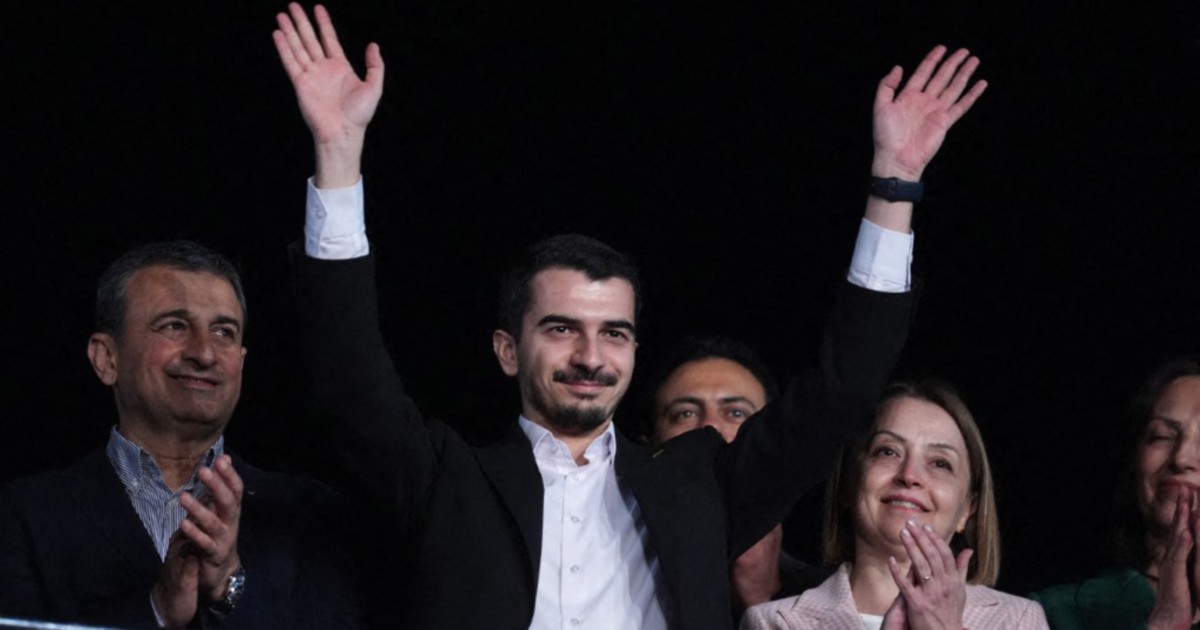
Turkish prosecutors have moved decisively to detain 36 individuals, including a municipal leader from Ankara's main opposition party, following a sprawling investigation into corruption-related offences. The Ankara chief prosecutor's office confirmed the detention orders, which centre on allegations of bribery and systematic irregularities in public procurement processes.
The inclusion of the opposition-controlled district mayor signals the breadth of the investigation and underscores the seriousness with which authorities are pursuing the case. In Turkey's complex political landscape, where power oscillates between government and opposition blocks, such high-profile detentions often draw scrutiny regarding their impartiality and timing. The involvement of an opposition municipality suggests prosecutors are casting their net across party lines, though questions about prosecutorial independence remain a perennial concern in Turkish governance.
The alleged conduct examined in this investigation — bribery and tender fraud — represents a persistent challenge across Turkey and much of the developing world. Public procurement irregularities are particularly damaging because they distort competition, inflate costs for taxpayers, and funnel state resources to favoured contractors. When officials at the municipal level are implicated, it typically indicates that corruption has penetrated the administrative structures most directly responsible for delivering local services and managing public funds.
For Malaysia and other Southeast Asian nations, Turkey's approach to addressing municipal-level corruption offers both lessons and cautionary notes. High-profile investigations can signal governmental commitment to accountability, yet their selective application risks delegitimising enforcement efforts. The Malaysian context, where transparency in tender processes and municipal administration remains contested, provides ample reason to monitor how Turkey handles prosecutions and whether outcomes reflect genuine malfeasance or political calculation.
The tender-rigging component of the allegations deserves particular attention. Such schemes typically operate through collusion between officials and contractors, with designated bidders submitting predetermined bids that eliminate genuine competition. The practice inflates project costs, reduces service quality, and erodes public trust in institutions. Turkish municipalities, like their counterparts throughout the region, control substantial budgets for infrastructure, waste management, and social services, making procurement integrity essential to effective governance.
Investigations of this magnitude require coordination across multiple enforcement agencies and demand sophisticated forensic accounting. The detention of 36 suspects indicates a significant operation involving planning, surveillance, and evidence gathering. Turkish authorities must sustain investigative momentum while respecting due process protections, a balance that remains challenging in jurisdictions where political pressure on prosecutors is acknowledged.
The timing of such probes often generates debate about motivation. In Turkey's polarised political environment, opposition parties may perceive investigations targeting their officials as politically motivated harassment, while government supporters may view them as necessary accountability measures. International observers monitor Turkish justice system developments closely, particularly regarding whether prosecutions are pursued consistently and whether verdicts follow credible evidence rather than political direction.
For the suspects detained, the investigation introduces uncertainty into municipal operations and potentially disrupts service delivery. Opposition-led municipalities in Turkey have grown in number following recent electoral shifts, expanding the stakes of administrative conduct. If corruption is substantiated, remedying it requires not only individual accountability but institutional reform ensuring that successor officials operate under stronger oversight.
The investigation's outcome will carry implications beyond Turkey's borders. Southeast Asian countries, particularly those grappling with municipal corruption, may examine Turkish enforcement mechanisms and results. Whether detentions lead to prosecutions, convictions, and meaningful penalties will signal the credibility of Turkey's anti-corruption framework. Conversely, if cases collapse or defendants are acquitted, it may suggest investigative weaknesses or prosecutorial overreach.
Sector-specific analysis matters considerably. Tender fraud in municipal procurement often extends across multiple years and contract cycles, involving construction firms, service providers, and officials developing patterns of preferential treatment. Successful prosecution requires demonstrating both quid pro quo relationships and the value transferred through inflated contracts or artificially reduced competition.
The 36-person detention also raises questions about how widely the alleged conspiracy extended. Relatively large numbers of suspects suggest either a well-developed criminal network or investigations that cast wide nets to pressure witnesses and gather evidence. Turkish authorities will need to demonstrate the specific culpability of each detainee rather than pursuing guilt by association.
Looking ahead, this investigation reflects global intensification of anti-corruption efforts at municipal levels, where much governance actually occurs. Whether Turkey's action translates into systemic improvements or constitutes a one-off enforcement spike depends on follow-through, transparency in prosecution decisions, and institutional reforms addressing procurement oversight and official accountability mechanisms.

