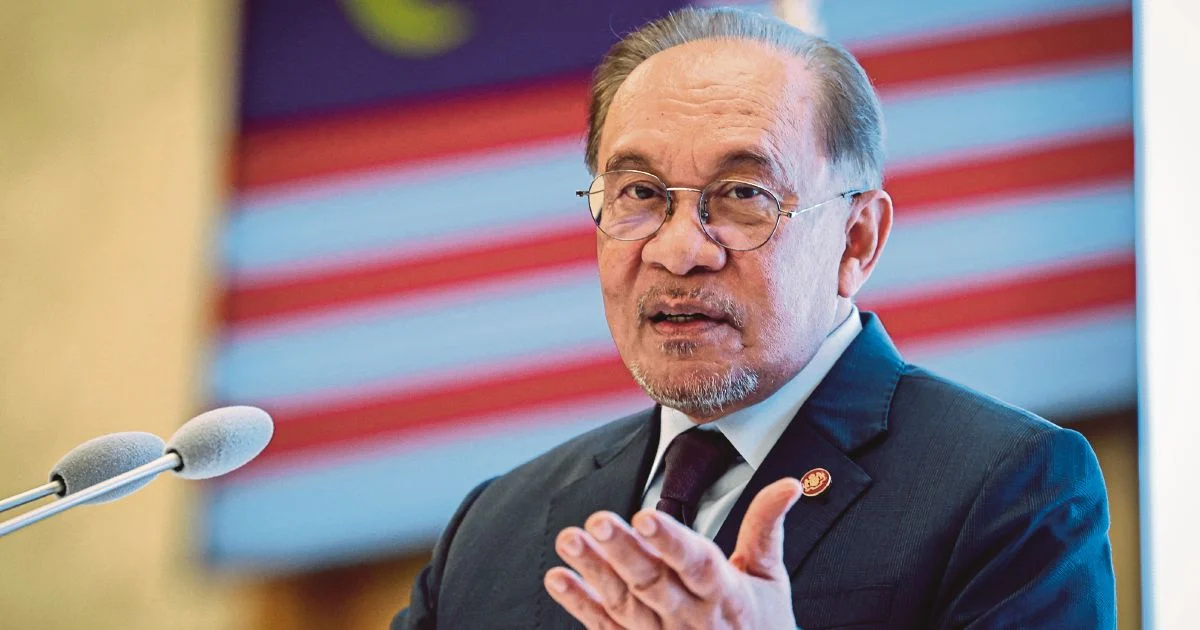
Prime Minister Datuk Seri Anwar Ibrahim has interpreted Petronas's successful bid for a stake in one of the world's largest natural gas reserves as a powerful affirmation of Malaysia's standing on the international stage. Speaking in Batu Kawan, the premier linked the Malaysian national oil company's entry into the Turkmenistan project with broader recognition by global investors and governments of Malaysia's political stability, social unity, and economic fundamentals.
The acquisition holds particular significance for Malaysia's energy security strategy. As a nation managing substantial hydrocarbon reserves of its own, Malaysia maintains keen interest in diversifying its upstream portfolio and deepening ties with energy-rich nations across Central Asia and beyond. Petronas's involvement in Turkmenistan's gas sector represents more than a commercial transaction—it signals the company's capacity to compete at the highest levels of international energy development and to navigate the complex geopolitical terrain of resource extraction in strategically important regions.
Turkmenistan ranks among the world's holders of proven natural gas reserves, with its vast fields among the largest untapped resources. The nation has long sought to expand production and forge partnerships with experienced international operators capable of deploying cutting-edge technology and financial resources. Petronas's selection underscores the company's technical expertise, financial stability, and the trust placed in Malaysian institutions by Central Asian governments seeking reliable long-term partners.
Anwar's framing of the deal reflects a conscious effort to position Malaysia as a destination for confidence during a period of global economic uncertainty. International perceptions of political stability carry measurable economic consequences, influencing capital flows, foreign direct investment decisions, and the terms on which Malaysian entities can access global financing. When major energy projects are awarded to Malaysian companies, it typically reinforces credit ratings and lowers borrowing costs for national enterprises and the government itself.
The timing of this development carries additional weight in Malaysia's broader economic narrative. The country has faced periodic concerns about political continuity and institutional effectiveness in recent years. Successful acquisitions by Petronas on the world stage provide tangible evidence that despite domestic political fluctuations, Malaysia's foundational institutions retain strength and attract international partnership. This distinction between Malaysia's political processes and its institutional bedrock matters enormously to foreign investors evaluating risk.
Petronas's Central Asian expansion also reflects rational portfolio management by the company. Established reserves in traditional oil-producing regions have become increasingly expensive to develop as production maturity advances. Turkmenistan's gas fields, while located far from Malaysian shores, offer scale and long reserve life that appeal to a national oil company planning decades ahead. The project's commercial logic complements whatever geopolitical messaging surrounds it.
For Southeast Asia, the Petronas development signals the region's continued relevance in global energy markets. Malaysian companies increasingly compete internationally rather than operating solely within regional boundaries. This outward projection of Malaysian technical capability and capital strength benefits the broader regional economy by establishing Southeast Asia as a source of competent energy operators rather than merely a market for external service providers.
The deal also has implications for Malaysia's energy diplomacy. Relationships built through major infrastructure projects can extend into broader political and economic cooperation frameworks. Petronas's presence in Turkmenistan creates potential channels for Malaysian technology transfer, trade relationships, and diplomatic engagement that may yield benefits beyond the energy sector itself. Central Asian countries, while geographically distant, occupy increasingly important positions in global supply chains and infrastructure development initiatives.
The announcement arrives as global energy markets recalibrate following the pandemic-driven demand shock and subsequent recovery. Natural gas has emerged as a transitional fuel in global climate strategies, with demand expected to remain robust despite long-term decarbonisation commitments. Petronas's exposure to expanding gas reserves positions the company appropriately within this evolving energy landscape and reduces reliance on declining petroleum demand projections.
Anwar's emphasis on international confidence also responds to domestic political messaging needs. Malaysian unity and stability remain important themes in political discourse, and demonstrating that external actors view Malaysia as fundamentally sound validates these policy priorities. When global companies and governments make investment decisions that reflect confidence in Malaysia, these outcomes become useful evidence in domestic political narratives about institutional effectiveness and national competitiveness.
Moving forward, Petronas will need to execute effectively on this Turkmenistan commitment, managing complex operations in an unfamiliar regulatory environment and competing successfully against other international operators. The company's performance on such projects directly affects Malaysia's reputation in global energy circles and influences future opportunities. Successful execution would reinforce Anwar's characterisation of the deal as evidence of earned confidence rather than fortunate happenstance.

