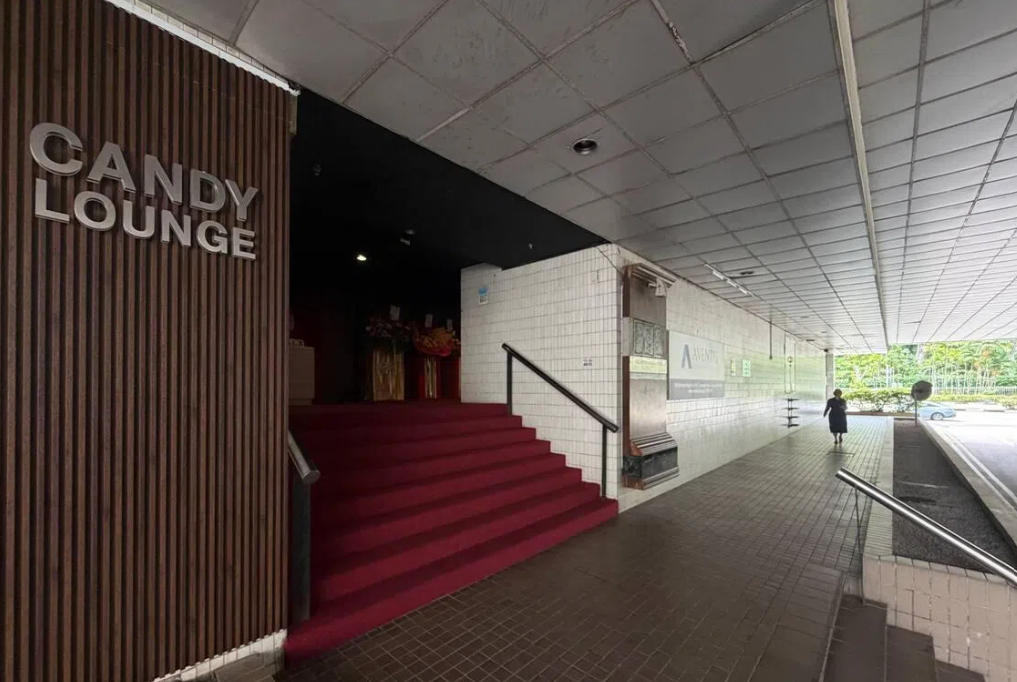
A early-morning altercation outside a popular Orchard Road nightclub has resulted in two arrests and multiple hospitalisations, underscoring persistent concerns about public safety in Singapore's entertainment districts. Emergency services responded to a call for assistance near the junction of Orchard Road and Buyong Road at approximately 3am on Thursday, discovering four injured men at the scene. The incident represents the latest in a string of violent incidents that have raised questions about security standards in Singapore's nightlife venues.
Authorities discovered that all four victims were aged 38, with three sustaining lacerations requiring hospital treatment while one suffered minor injuries. Singapore Civil Defence Force and police personnel transported the injured men to Tan Tock Seng Hospital in conscious condition. The relatively quick medical response prevented what could have resulted in more serious outcomes, though the extent and nature of injuries suggest a genuinely violent encounter rather than a minor scuffle.
Following preliminary investigations at the scene, police identified and arrested two suspects, aged 25 and 27 respectively, on suspicion of voluntarily causing hurt by dangerous means—a charge that typically applies when weapons are involved or when injuries are inflicted with intent. Officers recovered a knife from the scene, indicating that the confrontation escalated beyond a simple fist-fight. The 27-year-old suspect was subsequently admitted to the same hospital for treatment of his own injuries, suggesting he may have sustained harm during the altercation.
Accounts from Chinese-language news sources indicate that the violence erupted outside Candy Lounge, with reports suggesting two separate groups of patrons clashed in the early morning hours. According to these reports, the escalation included an alleged stabbing incident targeting the neck area of at least one individual, which would account for the severity of injuries and the presence of a weapon. The specific origins of the dispute remain unclear, though investigations continue into the circumstances that precipitated the violence.
Candy Lounge operates under standard Orchard Road nightlife hours, opening daily from 10pm until 3am, with extended operations until 4am on Saturdays and public holidays. The venue's social media presence shows it maintains regular operations within these timeframes, suggesting the incident occurred during standard closing hours as patrons prepared to leave. The timing raises questions about crowd management and security protocols during peak departure periods, when alcohol consumption peaks and emotional tensions may be heightened.
By mid-morning on Thursday, the scene had returned to normalcy with no visible police or emergency service presence remaining. Regular traffic flow had resumed at the junction, and nearby businesses in Orchard Plaza operated without disruption. Two shop proprietors contacted by media outlets—one operating a money changer and another a mini-mart—reported having no knowledge of the incident and received no notification from security personnel, suggesting either poor communication channels between venues and surrounding businesses or a rapid clearance of the scene.
The incident occurs against a troubling backdrop of escalating knife violence across Singapore. Official statistics reveal 75 knife-related incidents in the first half of 2025, representing a significant jump from 59 cases during the corresponding period in 2024. This 27 percent year-on-year increase has prompted concern among law enforcement and community leaders about whether existing preventive measures are adequate to address rising blade violence. The concentration of such incidents in nightlife districts like Orchard Road suggests that alcohol-fuelled environments may require enhanced security interventions.
For Malaysian readers, the incident underscores shared challenges facing major Southeast Asian urban centres regarding public order in entertainment precincts. Similar concerns have surfaced periodically in Kuala Lumpur's nightlife zones, where proximity to alcohol and late-night social environments occasionally produces violent confrontations. The Singapore case demonstrates that even highly developed jurisdictions with robust policing cannot entirely eliminate such incidents, raising questions about what realistic expectations communities should hold regarding safety in venues catering to young adult demographics.
The involvement of weapons in what may have begun as a personal dispute illustrates a concerning trend whereby casual confrontations escalate rapidly when knives become accessible. Law enforcement agencies across the region continue grappling with how to balance public safety imperatives against personal freedoms, particularly in commercial establishments serving alcohol. The ongoing police investigation will likely examine not only the immediate causes of the brawl but also whether Candy Lounge maintained adequate security measures and crowd control protocols.
For the broader Orchard Road business community, the incident carries implications for perceptions of safety and security in what remains one of Singapore's premier entertainment and shopping districts. Concerns about violent crime can influence both visitor numbers and the willingness of workers to remain in late-night employment. Many Southeast Asian cities face similar challenges in maintaining vibrant nightlife sectors while addressing legitimate public safety concerns without implementing overly restrictive measures that suppress legitimate commerce.

