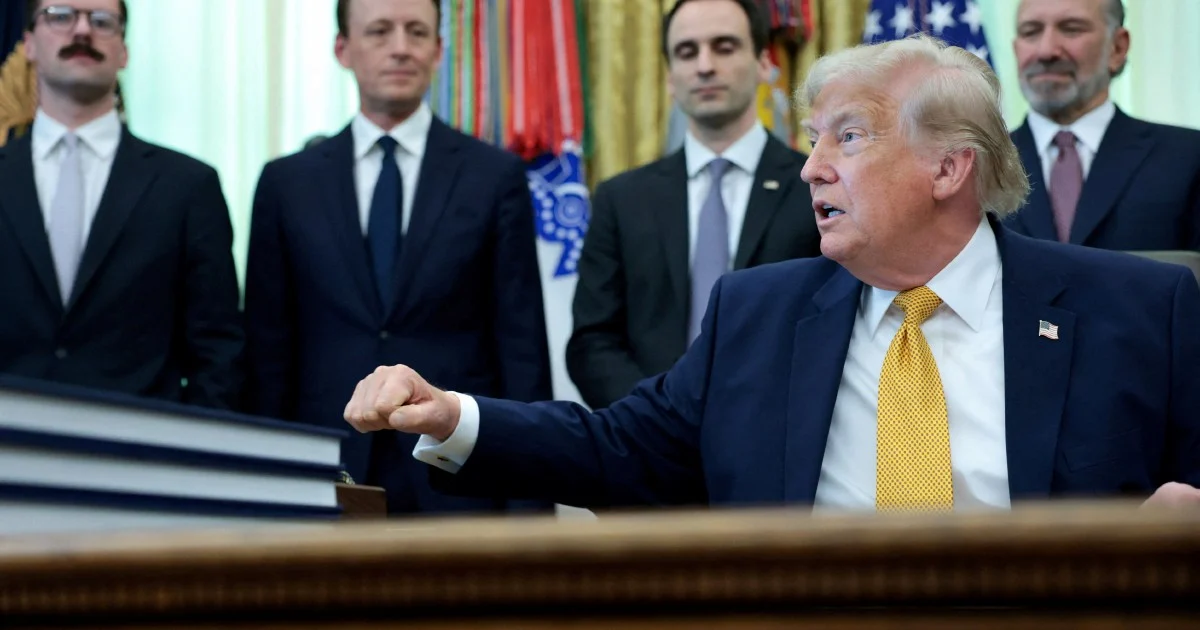
The United States Justice Department disclosed two fresh arrests on Monday in relation to what authorities characterise as a coordinated scheme to mount an assault on the White House complex. The alleged plot centred on a proposed mixed martial arts event that President Donald Trump was planning to host on the White House grounds, creating what investigators suggest was a security vulnerability that the suspects intended to exploit.
The expanded investigation reflects the complexity of protecting the nation's highest office, particularly during high-profile public events designed to showcase both the sport and the administration's confidence. Security at the White House has long been subject to intense scrutiny, with the Secret Service responsible for maintaining a protective perimeter around the president and the residence itself. The revelation that individuals were plotting to take advantage of such an occasion, even one ostensibly celebratory in nature, underscores persistent vulnerabilities in managing public gatherings at sensitive government facilities.
Details surrounding the specific allegations against the newly arrested individuals remain under investigation, with the Justice Department maintaining standard protocols regarding the release of information in active cases. The decision to announce the arrests publicly, however, signals that authorities have gathered sufficient evidence to support formal charges and believe the threat has been substantially mitigated through the apprehension of key participants.
This development comes at a time of heightened security consciousness within the United States, where threats against government installations and officials have become increasingly frequent and sophisticated. The targeting of the White House, the residence and workplace of the sitting president, represents one of the most serious allegations possible within the American legal system. The fact that multiple individuals were allegedly involved suggests a degree of coordination that would have required planning, communication, and logistical preparation.
For observers in Southeast Asia and Malaysia, such incidents illustrate the security challenges facing democracies when they attempt to balance openness and accessibility with the fundamental need to protect national leadership. The hybrid approach of hosting sporting events at the presidential residence, while symbolically powerful, creates operational complexities that security agencies must navigate continuously. This tension between public engagement and protective necessity shapes how governments worldwide structure their relationship with both the public and potential threats.
The UFC as a sport has grown significantly in global popularity, including across Asia and Malaysia, where mixed martial arts competitions have developed substantial followings. The decision to host such an event at the White House would have represented an unusual convergence of entertainment, sports, and political messaging. That this occasion became the focal point for alleged attack planning demonstrates how public events can be perceived as opportunities by those with harmful intentions.
The Justice Department's methodical approach to dismantling what it characterises as a conspiracy reflects standard federal law enforcement procedure in terrorism and security-related investigations. Multiple arrests typically indicate that authorities are working through connected individuals and networks, each apprehension providing potential leads to other participants. The announcement of these two additional arrests suggests that the initial investigation had already identified primary suspects, and subsequent work expanded the scope of who was involved.
The security implications for future presidential events will likely be substantial. Event planners and the Secret Service will presumably recalibrate their approach to outdoor activities at the White House, particularly those that involve large gatherings or extended public interaction. The incident may reshape how the administration balances its desire for high-profile, accessible events against the genuine and persistent security threats that such gatherings potentially attract.
Investigators will continue pursuing whether additional individuals were involved in the alleged conspiracy or whether the arrested parties represent the full extent of the plot's participants. The determination of actual versus aspirational threat—whether those arrested possessed genuine capability to execute attacks or merely discussed the idea—will significantly influence how courts assess and prosecute the case. Federal prosecutors will need to demonstrate not only intent but also concrete steps taken toward implementing the alleged scheme.
The incident reflects broader American anxieties about protecting senior government officials in an era when threatening rhetoric has become commonplace and when the means to inflict harm have become more accessible. While Malaysia maintains its own security protocols around senior officials and government facilities, the scale and sophistication of American threat assessment operates within a different context of domestic polarisation and weaponry availability.
As the investigation continues and the cases move through the federal court system, additional details about the alleged plot's specifics, the suspects' backgrounds, and their potential motivations will likely emerge through legal proceedings. These details will provide insight into how federal agencies identify and interdict security threats before they can materialise into actual attacks against protected persons or facilities.

