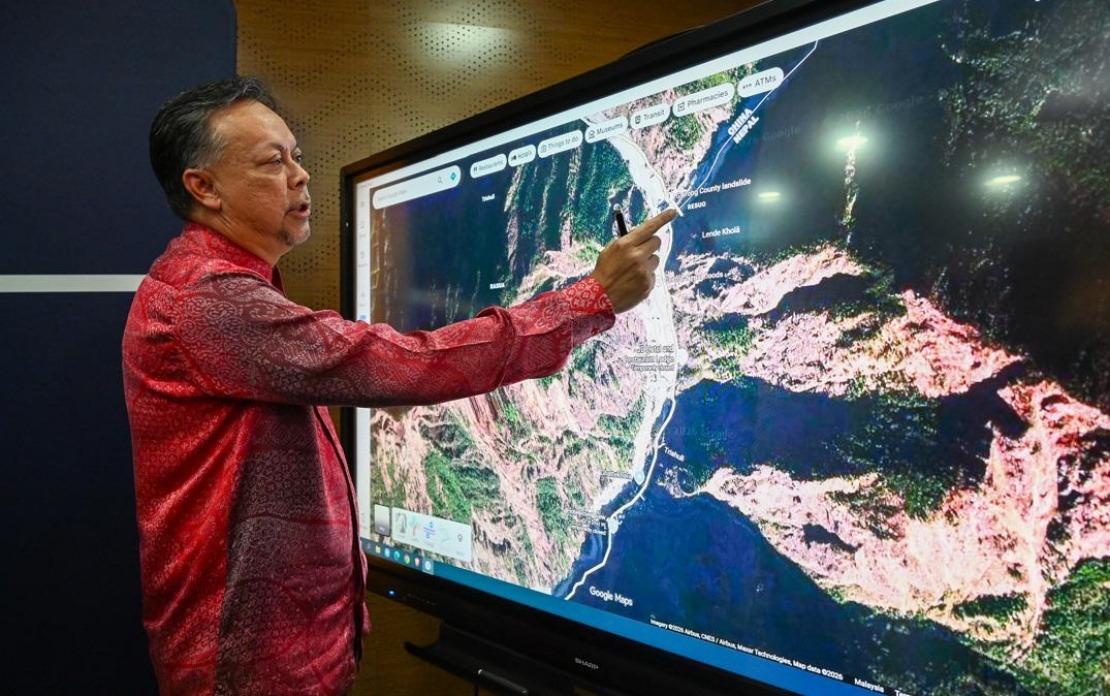
A glimmer of hope has emerged in the search for Malaysians affected by the catastrophic flooding that struck Nepal on August 26. The Malaysian Foreign Ministry announced that two of the 57 citizens initially reported missing have been successfully located and are safe, providing some relief to families anxiously awaiting news. However, the situation remains dire for the remaining 55 Malaysians whose whereabouts could not be confirmed as of Wednesday afternoon, with officials cautioning that the verification process is far from straightforward given the chaotic conditions on the ground.
The discovery came as authorities acknowledge the unprecedented scale of the humanitarian challenge unfolding in Nepal's Rasua district. Datuk Syed Mohamad Hasrin Tengku Hussin, Deputy Secretary-General of the Foreign Ministry, explained that the two located individuals are undergoing rigorous cross-checking procedures to verify their identities and current status. This meticulous approach, while time-consuming, aims to prevent confusion and duplication in the growing list of affected citizens, a critical safeguard when dealing with information gathered across multiple agencies and borders during an active disaster response.
The devastating natural disaster was triggered when the Bote Koshi River overflowed its banks, unleashing flash floods and triggering catastrophic landslides across the mountainous terrain. The destruction has been comprehensive, with critical infrastructure including roads, bridges, electrical systems and communication networks either severely damaged or completely destroyed. These cascading failures have transformed the affected areas into near-inaccessible zones, creating formidable obstacles for rescue teams attempting to reach stranded individuals and gather intelligence about missing persons. The landscape itself has become a major impediment to the search operation, with terrain rendered impassable and conventional coordination methods rendered unreliable.
Malaysian authorities have responded by substantially escalating their deployment and engagement efforts. Foreign Minister Datuk Seri Mohamad Hasan has issued direct instructions to intensify all search and rescue operations, prompting the dispatch of additional personnel from the Malaysian High Commission in Dhaka to bolster the embassy team already operating from Kathmandu. This reinforcement demonstrates the seriousness with which Kuala Lumpur is treating the crisis, recognising that the challenge has grown beyond the capacity of existing diplomatic staff to handle effectively. The senior official now deployed is focusing on coordination, information gathering and liaison work with Nepalese authorities.
The collaborative response involves unprecedented cooperation between Malaysian diplomatic missions and multiple Nepalese agencies. The Malaysian Embassy is working closely with Nepalese authorities, the Nepalese Foreign Ministry's emergency response apparatus, the Nepal Tourism Board, and local tour operators to piece together information about Malaysian nationals in the region. This multi-agency approach is essential given that the initial list of missing Malaysians came from diverse sources including family reports, tour operators, Tourism Malaysia records and direct statements from affected individuals. The cross-referencing of information from these varied channels remains a core challenge, as discrepancies between sources often result in inflated or inaccurate missing person figures.
International rescue efforts have already yielded results, though Malaysians have not yet been identified among those recovered. Nepalese authorities report that 528 individuals have been rescued to date, comprising 490 Nepalese nationals and 38 foreign citizens. The absence of Malaysians in the rescue figures does not necessarily indicate a grim outlook, as communication breakdowns and the dispersed nature of the disaster mean that many survivors may not yet have reached coordination points or had their identities recorded in official systems. The figure of 55 unconfirmed Malaysians remains provisional, subject to further verification as clearer information emerges from the affected areas.
The operational complexities facing rescue teams are compounded by rapidly deteriorating conditions and weather-related constraints. Beyond the infrastructure damage already inflicted, Nepalese authorities have issued additional safety warnings about potential water overflow risks from border areas, suggesting the disaster may worsen before stabilising. Search and rescue operations themselves face severe limitations due to unpredictable weather patterns across the mountainous region and the continuing structural instability of the damaged landscape. Officials acknowledged that these conditions change swiftly, making even hazard assessment a moving target that teams must constantly reassess. Nepalese rescue forces are simultaneously managing their own enormous domestic casualty and displacement crisis, limiting resources available for assisting foreign nationals.
To coordinate this complex response, Malaysia has established a round-the-clock operations centre at the Foreign Ministry headquarters in Putrajaya. Operating continuously since the disaster struck, this centre serves as the nerve centre for information gathering, family assistance and status updates to worried relatives across Malaysia. The volume of incoming communications has been substantial, with the centre receiving between twelve and fifteen calls from Malaysian families and friends during the initial two to three hour period after activation. Each contact triggers a labour-intensive verification process where information is cross-checked against lists provided by Nepalese authorities and internal ministry records to eliminate duplicates and confirm accuracy.
The complexity of managing this information flow underscores why the initial figure of 57 unconfirmed Malaysians has been refined through investigation. Without such rigorous verification, the numbers can quickly become inflated and misleading, hampering rather than helping rescue operations. Authorities are urging anyone with information about Malaysians in Nepal to contact the operations room with comprehensive details including full names, passport numbers, travel itineraries, last known locations and working contact phone numbers. These specific data points enable rapid cross-referencing with official documents and communications records.
For Malaysians seeking updates or wishing to provide information, the Foreign Ministry has established direct contact channels. The Putrajaya Operations Room can be reached at +603 8887 4570 or via email at [email protected], ensuring that concerned families have accessible pathways to contribute to the search effort. This disaster highlights the increasing importance of such consular services as more Malaysians engage in tourism and travel throughout the Asian region, sometimes in mountainous or geologically active areas prone to natural disasters.
Looking forward, officials have stressed that while they remain optimistic about locating additional survivors, the prevailing circumstances make the search exceptionally difficult. The combination of geographical isolation, infrastructure destruction, communication blackouts and challenging weather creates a perfect storm of obstacles that even well-resourced rescue operations struggle to overcome. The presence of additional Malaysian diplomatic staff in Kathmandu should improve coordination efficiency and information flow, potentially accelerating the identification of missing citizens and enabling faster reunification with their families. However, rescue teams acknowledge that the window of opportunity in such disasters gradually closes as weather conditions deteriorate and access becomes even more constrained.

