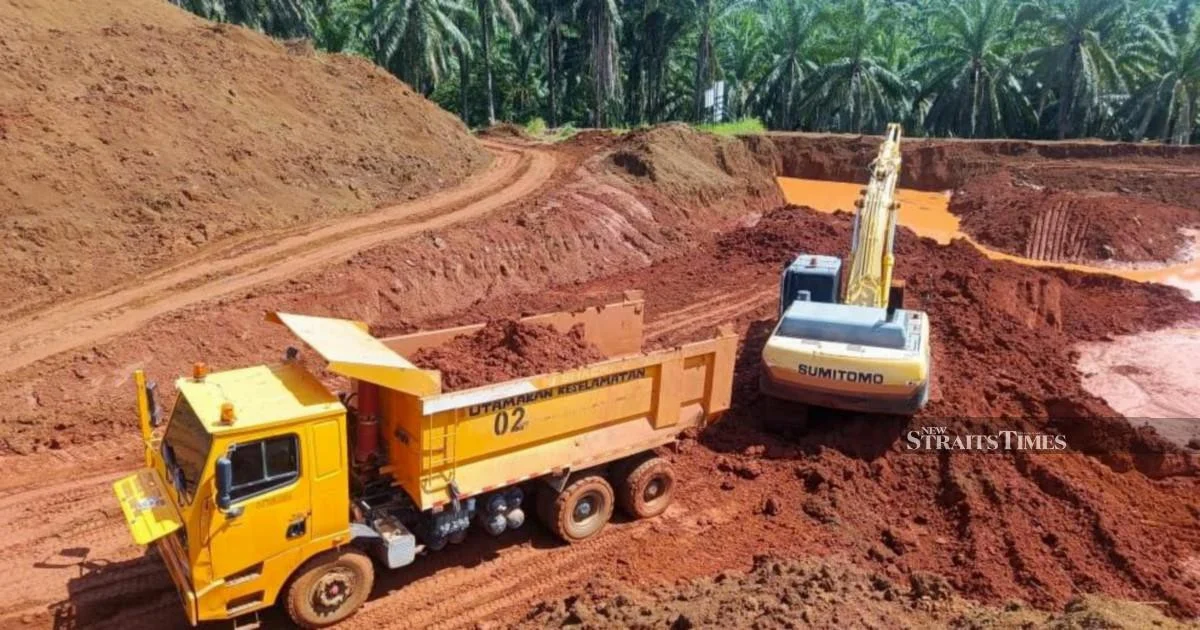
Authorities in Kelantan have made significant progress in tackling organised illegal sand mining operations, securing the arrest of two suspects linked to the unlawful transfer of silica sand in Marang. The operation, conducted yesterday, resulted in the confiscation of heavy machinery and equipment worth RM1.8 million, marking a substantial blow against the illicit natural resources trade that has plagued the state.
The crackdown reflects mounting concerns about the proliferation of unregulated sand extraction activities across Malaysia's east coast. Silica sand, a crucial industrial raw material with applications spanning glass manufacturing, construction, electronics, and water filtration, has become increasingly attractive to criminal networks seeking quick profits through uncontrolled extraction and black-market distribution. The Marang operation demonstrates law enforcement's determination to dismantle these supply chains at critical transfer points where stolen materials change hands.
Investigators have identified the transfer mechanism as a focal vulnerability in the illegal mining ecosystem. Rather than operating large-scale extraction sites that might draw attention, sophisticated operators coordinate multiple smaller operations and consolidate stolen material at transfer hubs before moving it to buyers. The two arrested individuals apparently occupied roles within this distribution network, managing the movement of illicitly obtained silica sand for onward sale or export. Such operations typically involve corruption of local officials and coordination with transportation networks that obscure the origins of mined materials.
The seized machinery cache provides investigators with crucial intelligence about operational scale and technical sophistication. Equipment valued at RM1.8 million indicates industrial-grade operations rather than opportunistic small-scale digging. This suggests the network possessed considerable capital, logistical planning capabilities, and likely connections to larger criminal enterprises. Authorities will be examining serial numbers, ownership trails, and maintenance records to identify other members of the conspiracy and trace the flow of stolen sand across state lines.
Silica sand theft represents an underappreciated environmental and economic crisis for Malaysia. Unregulated extraction destabilises riverbanks, degrades watersheds, disrupts aquatic ecosystems, and increases flooding vulnerability. In Kelantan, which experiences regular monsoon inundation, the removal of natural sand barriers exacerbates seasonal flood severity and exposes communities to greater risk. Simultaneously, the state loses substantial tax revenue and processing opportunities when raw materials are extracted illegally rather than through legitimate licensed mining operations that contribute to public coffers.
The regional dimension cannot be overlooked. Silica sand extracted illegally in Malaysia frequently transits through Singapore, Thailand, and Vietnam for processing and re-export, with final destinations across Asia and beyond. This trade generates hundreds of millions in black-market value annually while enabling transnational criminal networks to launder proceeds from other illicit activities. Disrupting supply chains within Malaysia therefore has downstream consequences for regional illegal resource trafficking patterns.
Enforcement agencies increasingly recognise that combating illegal sand mining requires sustained, intelligence-led operations targeting not just extraction sites but the downstream networks that monetise stolen material. The Marang arrests exemplify this graduated approach, focusing on consolidation and transfer points where suspects handle larger volumes and leave greater investigative traces. By intercepting sand at these critical junctures, authorities can damage profit margins and deter operators from viewing sand theft as a low-risk, high-reward criminal activity.
The investigation will likely expand to identify procurement sources for the confiscated machinery. Operators acquiring expensive equipment must arrange financing, insurance, and registration—touchpoints where financial intelligence units can detect suspicious transactions. Linking machinery purchases to stolen sand sales through bank records and logistics documents provides prosecutors with tangible evidence of organised criminal enterprise rather than relying solely on possession charges. This multi-layered investigative approach has proven effective in dismantling larger transnational mining syndicates.
Authorities must now pursue parallel investigations into the downstream buyers who received sand from the two arrested individuals. Identifying purchasing companies, their end uses, and potential regulatory breaches among apparently legitimate businesses that sourced stolen materials will expand the enforcement reach. Companies exploiting cheap black-market sand gain unfair competitive advantages over legitimate operators paying market rates and adhering to environmental licensing requirements. Prosecuting corrupt corporate purchasers serves both criminal justice and fair competition objectives.
The Marang operation underscores Kelantan's persistent vulnerability to natural resource crimes stemming from geographic endowments and enforcement resource constraints. The state possesses abundant river sand and silica deposits but limited capacity for sustained surveillance and prevention. Addressing this structural disadvantage requires interagency coordination across federal and state authorities, intelligence sharing among enforcement bodies, and perhaps deployment of additional resources to high-risk extraction zones. Technology including satellite monitoring and geospatial analysis could enhance detection of unauthorised mining activity before materials reach transfer points.
Looking forward, conviction and sentencing outcomes in this case will signal enforcement seriousness to would-be operators. Penalties must exceed likely profits from illegal sand sales, otherwise rational economic actors will continue treating fines as operational costs. Custodial sentences combined with asset forfeiture represent more credible deterrents. The two arrested individuals now face prosecution that could establish important precedent regarding culpability for material handling roles within illegal mining networks, potentially expanding enforcement reach beyond site operators to encompass transportation and sales personnel.

