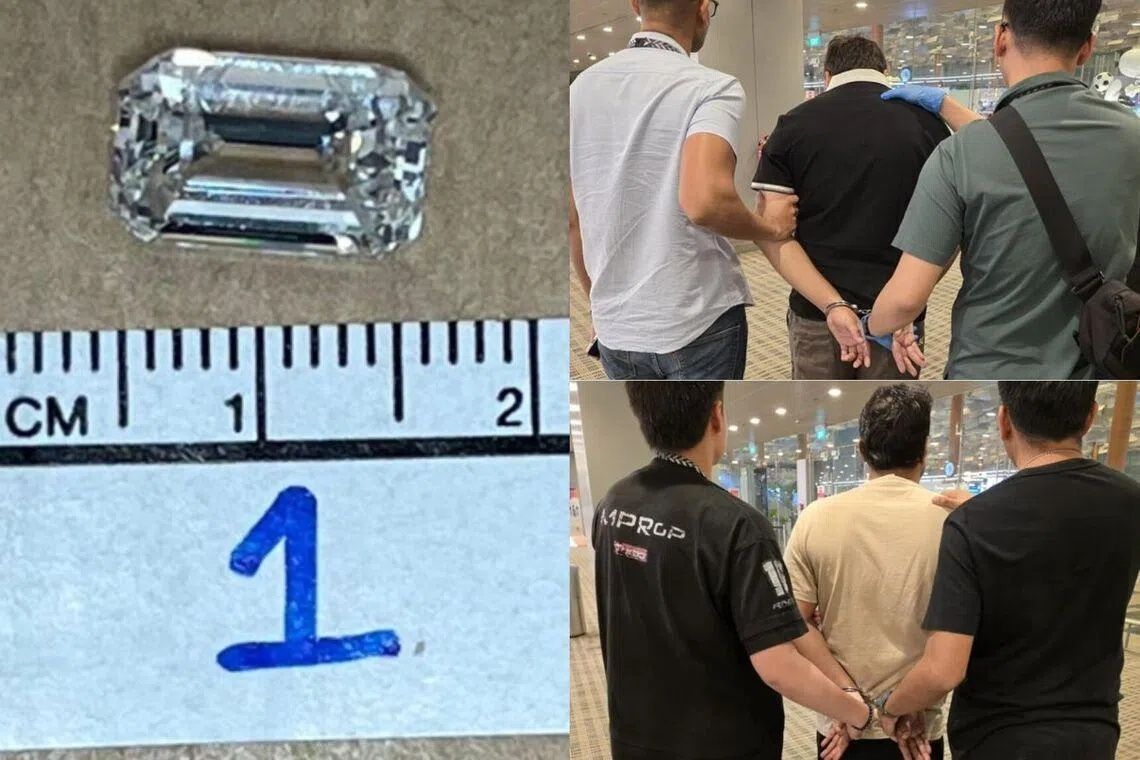
Singapore authorities have moved swiftly to apprehend two suspects in connection with a high-value diamond heist at a jewellery store in Chinatown, with both men detained at Changi Airport Terminal 3 just hours after the theft was reported. The arrested individuals, aged 30 and 42, face charges of theft in dwelling with common intention—a serious offence that carries potential prison sentences of up to seven years and substantial fines if they are convicted following the June 19 incident.
The theft came to light when police received an emergency call at 3.40pm on June 19 from Kreta Ayer Road in Chinatown's commercial heart. Officers from the Central Police Division and Police Operations Command Centre launched an immediate investigation, deploying a combination of traditional detective work and modern surveillance technology to identify the culprits. The recovery of the stolen diamond and the arrest of both suspects on the same day underscores the effectiveness of integrated policing approaches that combine ground enquiries with digital evidence gathering.
According to police accounts, the operation unfolded with apparent precision and calculation. The two men had entered the jewellery store feigning genuine interest in purchasing the diamond, a tactic that allowed them to handle and examine the valuable gemstone at close quarters. What they did next demonstrated the hallmark of seasoned theft operatives: while pretending to inspect the diamond, they executed a sleight-of-hand switch, replacing the genuine stone with a counterfeit version and then departing the establishment without completing any purchase. The abruptness of their exit and lack of follow-through on their stated buying intentions immediately raised red flags among shop staff.
It was the shop assistant's attentiveness and subsequent verification procedures that cracked the case open. After noticing the suspicious behaviour and the men's hasty departure, the employee conducted a routine examination of the diamond they had left behind and discovered the substitution. This procedural diligence—a practice that may seem routine but is frequently overlooked—proved instrumental in catching the deception within minutes rather than hours or days. The swift reporting to authorities prevented the perpetrators from gaining significant distance and time advantage in their escape.
Police utilised comprehensive investigative techniques to track down the suspects. In addition to traditional ground enquiries and witness statements, officers reviewed closed-circuit television footage from the jewellery store and coordinated with the Police Operations Command Centre, which monitors strategic entry and exit points across Singapore. This multi-layered approach enabled law enforcement to identify the two men and determine their likely movements following the theft. The decision to position officers at Changi Airport Terminal 3 proved prescient, as both suspects were apprehended there on June 19, apparently attempting to flee the country.
The recovery of the diamond itself represents a significant aspect of this investigation. Unlike many precious stone thefts that result in stolen property disappearing into black markets or private collections, this case saw the gemstone retrieved and secured as evidence for court proceedings. The stone's recovery also prevents the jewellery store from suffering the full financial loss associated with the theft, though the incident undoubtedly caused considerable disruption and concern within the business community.
Notably, police have withheld disclosure of the suspects' nationalities, a decision that reflects standard procedural practice in Singapore while the investigation remains active and charges are being prepared. The two men are scheduled for formal charging on June 20, at which point additional details about their identities and backgrounds may become public record through court filings and official documents.
The incident has prompted law enforcement to issue advisory guidance to the wider retail sector handling high-value merchandise. Police have specifically called for shop owners dealing in luxury items to enhance their vigilance against similar tactics involving sleight-of-hand theft techniques. This warning highlights a persistent vulnerability in physical retail environments, particularly those dealing with small, portable, high-value items such as diamonds, gemstones, and precious metals. The sophistication of the attempted deception—using a counterfeit replacement to mask the theft—suggests perpetrators with knowledge of retail operations and security procedures.
The charge of theft in dwelling with common intention carries substantial legal consequences in Singapore's criminal justice system. The common intention element indicates that both men acted in coordination and with shared criminal purpose, strengthening the prosecution's case. The potential seven-year prison sentence reflects the seriousness with which Singapore treats property crimes targeting the commercial sector and the community's desire to protect legitimate businesses from organised theft operations.
For Malaysian readers and businesses, this incident offers instructive lessons about retail security vulnerabilities that transcend borders. The modus operandi employed—establishing false purchasing interest, gaining physical access to merchandise, executing a quick switch, and departing with minimal suspicion—represents a technique that could be deployed anywhere in Southeast Asia. Retailers across the region handling valuable items would be wise to implement additional safeguards, including enhanced staff training on recognising deceptive customer behaviour, installing high-definition surveillance in areas where customers examine high-value merchandise, and establishing protocols for immediate verification when customers handle precious items.
Singapore's zero-tolerance approach to commercial theft, demonstrated through rapid investigation and detention, reinforces the island nation's commitment to maintaining a secure business environment. The police statement emphasising this stance and promising continued vigorous enforcement serves both as reassurance to the commercial community and as a deterrent to would-be offenders. The speed of response in this case—from report to arrest to recovery within hours—reflects institutional efficiency and coordination that sets expectations for law enforcement agencies throughout the region.

