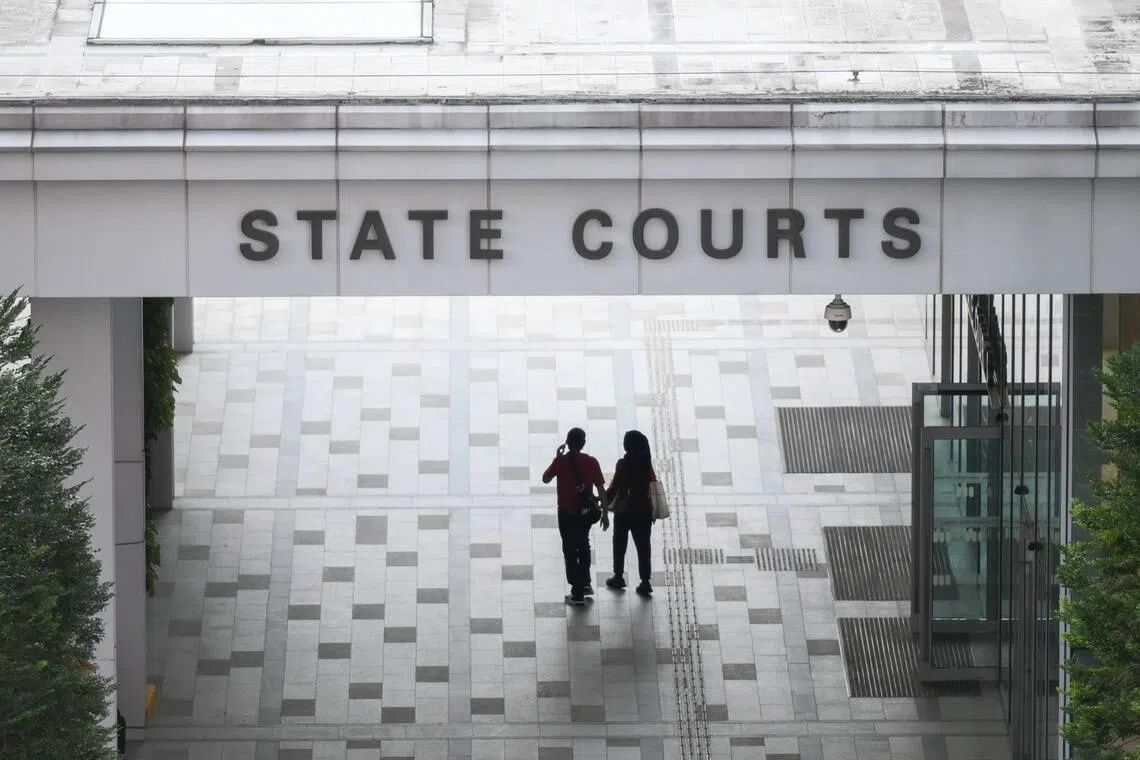
Three individuals—including two medical practitioners—are contesting serious drug-related charges in Singapore that carry a potential maximum sentence of two decades in prison plus corporal punishment. Loke Wei Kang, 33, and Lee Wei Sheng, 35, both doctors, along with Le Vie, 33, maintain that their April 2024 gathering was not premeditated, despite prosecution arguments suggesting otherwise. The distinction between spontaneous assembly and deliberate planning forms the crux of their legal defence, as the crime of organising a drug consumption event carries markedly harsher penalties than merely partaking in such activities.
The incident originated from an initial social gathering on April 9, 2024, at the residence of Loke's parents in Seletar. When police responded to neighbourhood noise complaints shortly after 10pm, the three defendants reportedly made a calculated decision to relocate their activities to avoid further official attention. According to court testimony, Loke and Lee approached Vie with requests to source controlled substances through her established contacts, specifically requesting ketamine and a particularly hazardous mixture colloquially known as "happy water." The defendants contend this represented a spur-of-the-moment response to stress rather than evidence of premeditation.
The composition of "happy water" reveals the chemical roulette inherent in such illicit drug use. This concoction blends various controlled substances including ketamine, Ecstasy, and methamphetamine with prescription medications such as diazepam and tramadol. A 2022 assessment by the United Nations Office on Drugs and Crime highlighted the unpredictable and potentially lethal nature of such polysubstance cocktails, noting that fatal overdoses typically involve consumption of multiple drug types simultaneously. For Malaysian readers familiar with regional drug enforcement efforts, this case underscores the evolving complexity of illicit drug markets and the particular dangers posed by improvised drug combinations.
Vie's role in procuring the substances is documented in meticulous detail within court records. She contacted a drug supplier and arranged purchase of three packets of "happy water" alongside two packets of ketamine, meeting the supplier at a nearby park where Lee accompanied her to collect the items. The retrieval operation proceeded smoothly, yet complications emerged when the group later discovered that two ketamine packets had gone missing—though these were subsequently located inside Loke's vehicle. This sequence of events forms part of the prosecution's narrative regarding planning and coordination, though the defence characterises such logistical details as consistent with improvised rather than orchestrated activity.
After retrieving the initial drugs, the trio decided to relocate once more when a mutual friend arrived at Loke's residence to join their gathering. Lee then booked accommodation at Orchid Country Club, ostensibly to continue socialising in a different setting. The decision to shift venues again, combined with the subsequent acquisition of additional ketamine packets from the supplier at the hotel itself, provides the prosecution with evidence suggesting deliberate organisation rather than spontaneous assembly. Vie collected these second consignments of drugs and brought them into the hotel room where the group intended to consume them.
Police intervention came swiftly in the early morning hours of April 10, 2024, when officers raided the Orchid Country Club room at approximately 3:50am. All three defendants, along with a fourth person whose charging status remains unclear in available court documents, were arrested at the scene. The timing of this raid suggests coordinated law enforcement surveillance, possibly triggered by the supplier's involvement or intelligence regarding the gathering.
Under Singapore's stringent drug laws, the legal landscape facing these defendants is particularly severe. The specific charge of organising a gathering for drug consumption carries a mandatory minimum sentence of three years' imprisonment, with the maximum extending to twenty years plus ten strokes of the cane—among Asia's harshest penalties for such conduct. All three have additionally faced separate charges of drug possession and consumption, though they have indicated they will not contest the consumption charges. The differentiation between these charges reflects Singapore's legislative approach of distinguishing between individual use and organising collective drug-taking activity, with the latter treated as substantially more serious.
The defendants' legal strategy hinges on establishing that booking a hotel room and arranging to purchase drugs represented opportunistic decisions made under pressure to relocate, rather than evidence of premeditated planning. Their argument rests on the temporal sequence of events—that they first secured accommodation for legitimate social purposes and only subsequently determined to bring drugs into that space. This distinction carries significant weight within Singapore's legal framework, where intent and planning constitute essential elements of the organisational charge. However, the prosecution likely contends that the coordinated nature of drug sourcing, venue changes, and collective consumption demonstrates sufficient planning to satisfy statutory requirements.
For Southeast Asian observers, this case reflects broader regional challenges in policing illicit drug markets where consumption patterns and supply networks continuously evolve. The involvement of medical professionals is particularly noteworthy, as it highlights how drug use extends across educational and professional boundaries. The prominence of "happy water" and similar designer drug cocktails in Singapore's drug scene parallels trends observed in major cities across Malaysia, Thailand, and Indonesia, where sophisticated drug supply networks adapt to enforcement pressures by creating novel compound products.
The trial's continuation scheduled for July 30 will determine whether the court accepts the defendants' characterisation of events as spontaneous or endorses the prosecution's interpretation of deliberate planning. The outcome carries implications extending beyond the three individuals involved, potentially establishing precedent regarding what actions constitute sufficient planning to trigger enhanced penalties under Singapore's drug legislation. For Malaysian legal observers and drug policy analysts, this case provides instructive lessons in how different jurisdictions define and prosecute complex drug-related offences involving multiple participants and premeditation elements.
The case also underscores the substantial personal and professional consequences accompanying drug-related convictions in Singapore's context. For two licensed medical practitioners, conviction on these charges would likely result in loss of professional registration and permanent career termination in healthcare sectors throughout Singapore and potentially other jurisdictions recognising Singapore's professional standards. This professional dimension adds further gravity to the legal proceedings beyond the custodial sentences themselves.

