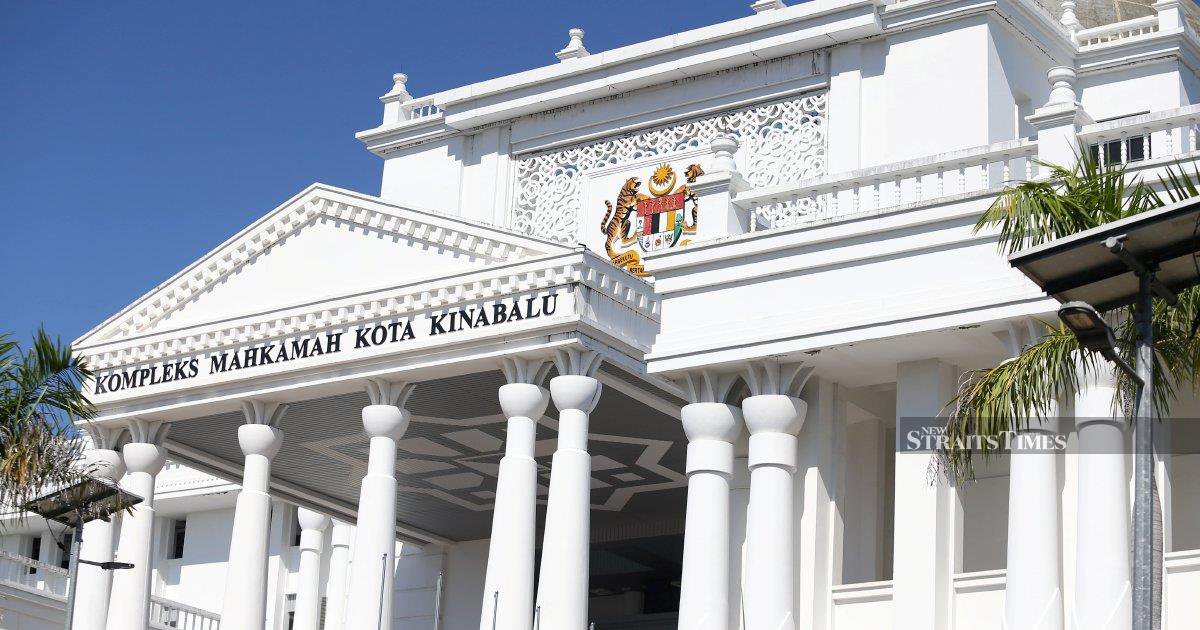
Two women appeared before the Sessions Court in Kota Kinabalu today facing three counts of criminal conspiracy to defraud three women through what authorities describe as an unlicensed traditional healing operation. The charges mark the latest enforcement action against fraudulent wellness practitioners in Sabah, a state where such scams have proliferated through word-of-mouth networks and social media platforms in recent years.
The accused were apprehended during recent police operations targeting complaints from members of the public who claimed they had been misled into paying substantial sums for purported traditional healing treatments. According to court records, the alleged victims handed over money based on promises that the defendants possessed special curative abilities and could treat various ailments through unconventional methods. The conspiracy charges suggest that both women worked together in executing what investigators believe was a coordinated deception.
Criminal conspiracy charges in Malaysia carry significant legal weight, requiring prosecutors to demonstrate that the accused parties shared a common intention to commit a specific offence. In this case, the charge relates directly to cheating under the Penal Code, which treats fraud as a serious matter particularly when it exploits vulnerable individuals seeking medical solutions. The deliberate targeting of three separate victims indicates a pattern of conduct rather than isolated incidents, strengthening the prosecution's case.
Traditional healing scams have emerged as a persistent problem across Malaysia, particularly in states like Sabah where geographical isolation and limited access to mainstream healthcare in rural areas make some communities more susceptible to alternative practitioners. The victims in this case were apparently convinced that conventional medicine had failed them, making them open to exploring unproven remedies with practitioners who presented themselves as possessing extraordinary healing abilities. This psychological vulnerability forms the core of how such schemes typically operate.
The Kota Kinabalu Sessions Court proceedings represent part of a broader effort by law enforcement agencies to crack down on fraudulent wellness activities. Malaysian consumer protection authorities have repeatedly warned the public against engaging with unlicensed healers making extravagant health claims, yet demand for such services continues. The cultural acceptance of traditional medicine in many Malaysian communities, while rooted in legitimate historical practices, has created an environment where charlatans can operate with relative ease by blending genuine folk knowledge with manufactured claims.
What distinguishes this case is the explicit coordination between the two defendants. Rather than acting as individual fraudsters, they allegedly operated as a team, suggesting a more sophisticated operation designed to maximize victim recruitment and enhance credibility through division of labour. Such organized approaches to healing fraud typically involve one person building trust while another manages finances, or alternately, creating the illusion of multiple independent practitioners to provide false corroboration of results.
The impact on victims extends beyond financial loss. Individuals who have paid for fraudulent healing treatments often experience psychological trauma, having invested hope alongside their money. In some cases, delayed or avoided legitimate medical treatment due to reliance on false alternatives can result in health deterioration. This makes healing fraud not merely a property crime but one with potential public health implications that deserve attention from regulators and law enforcement.
Sabah's law enforcement agencies have increasingly prioritized such cases as public complaints have mounted. The state's tourism-dependent economy and growing urban population have created opportunities for fraudsters to target both residents and visitors seeking wellness services. Online platforms have further expanded the reach of such schemes, allowing practitioners to market themselves regionally or nationally without proper licensing oversight.
The charges filed today under the conspiracy provisions of the law represent prosecutors' assessment that proving individual fraud charges might be more challenging than establishing joint responsibility for a coordinated deception scheme. By framing the offence as conspiracy rather than simple cheating, the legal approach emphasizes the deliberate coordination and planning involved, which typically results in more substantial sentencing if conviction follows.
For Malaysian consumers, this case serves as a reminder of the importance of verification. Legitimate traditional medical practitioners in Malaysia can be verified through the Traditional and Complementary Medicine Division or relevant professional bodies. Any healer making grand promises about curing serious diseases or claiming abilities that seem implausibly miraculous should be treated with extreme scepticism. The adage that something too good to be true usually is applies with particular force to health claims.
The court proceedings will likely extend over several months as evidence is presented and defence arguments heard. The outcome will contribute to the body of jurisprudence surrounding healthcare fraud in Malaysia and may influence how future similar cases are prosecuted. Beyond the courtroom, the case underscores the need for enhanced consumer education and better regulation of the wellness industry to protect vulnerable members of the community from exploitation.

