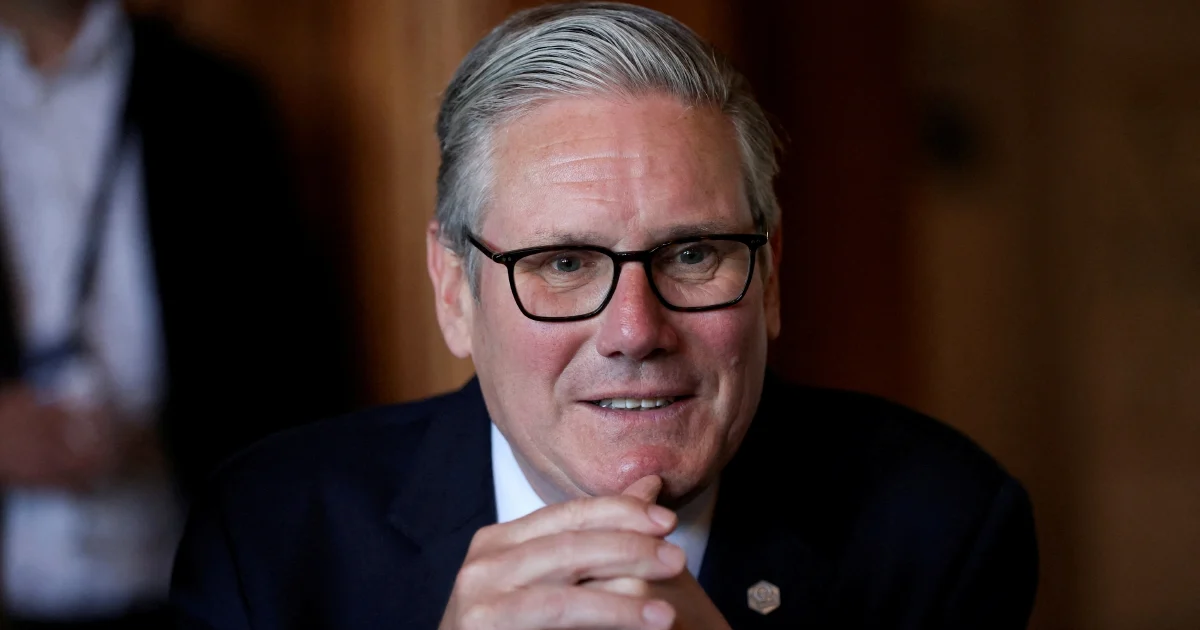
Reports that British Prime Minister Keir Starmer plans to step down have been firmly rebutted by officials close to the government, even as speculation about his tenure intensifies. The Observer newspaper claimed over the weekend that the Labour leader would announce his departure on Monday and outline plans for transitioning power, but a government spokesperson moved quickly to dismiss such assertions, emphasising that Starmer remains committed to his responsibilities as head of the United Kingdom's executive branch.
The timing of these resignation rumours carries particular significance given the broader political context in which the Labour government now operates. Starmer, who assumed office following Labour's decisive victory in the July 2024 general election, has faced increasing scrutiny from party members and the public alike as his administration grapples with economic challenges, public sector demands, and internal party dynamics. The circulation of such claims in a major British newspaper, regardless of their accuracy, underscores the precarious position in which even recently elected prime ministers can find themselves.
Government insiders have characterised suggestions of Starmer's imminent departure as unfounded speculation, with officials stating that the Prime Minister remains engaged with the full range of his ministerial duties. This kind of defensive posture is not unusual when senior political figures face questions about their longevity in office, yet it also reflects genuine concern about how such narratives can gain traction in the media and influence public perception of governmental stability. The fact that a newspaper of the Observer's editorial standing would report such claims indicates that at least some source within political circles saw merit in discussing the possibility, even if government figures now deny its basis.
The political environment in which Starmer operates has shifted considerably from the optimism that surrounded Labour's election triumph. Economic pressures, including inflation concerns and decisions about public spending, have generated friction between the government and various constituencies. Additionally, internal Labour dynamics have occasionally surfaced as contentious, with the Prime Minister navigating relationships within his own parliamentary party and broader membership base. These factors combine to create the kind of pressure that periodically generates speculative reporting about a leader's future.
For Malaysian and Southeast Asian observers of British politics, Starmer's situation offers insights into how even well-positioned leaders in established democracies must constantly manage their political standing. The British prime ministership, while institutionally powerful, remains subject to party loyalty and parliamentary dynamics in ways that shape a leader's ability to govern effectively. When confidence erodes within one's own ranks, media narratives about resignation become harder to dismiss entirely, even when they lack substantive foundation.
The government's swift response to the Observer's reporting appears calculated to prevent the story from gaining further momentum. By having officials directly contradict the claims and reaffirm Starmer's commitment to his role, the administration aims to contain what could otherwise develop into a rolling narrative about leadership instability. This tactical approach is familiar to observers of Westminster politics, where managing perception of governmental capability ranks alongside actual policy implementation in importance.
Starmer's position, while currently secure according to official statements, exists within parameters defined by his party's expectations and public support. The Labour Party, having suffered years of electoral defeats before 2024, has invested considerable political capital in its current leader and the promise of renewed governance. Any suggestion that Starmer might abandon his post prematurely would represent a significant setback for the party's broader electoral strategy and legislative ambitions. This reality underlies the vigorous dismissal of resignation reports by government spokespeople.
The broader pattern of speculation about prime ministerial stability has become a recurring feature of recent British political life. Leaders including Boris Johnson, Liz Truss, and Rishi Sunak all faced periods of intense questioning about their longevity in office before their eventual departures. This history creates a context in which reports of resignation, even from sources of questionable reliability, can resonate with audiences prepared by recent experience to accept such narratives as plausible.
Starmer's team appears intent on demonstrating that the Prime Minister intends to remain focused on substantive governance matters rather than engaging in extended defence of his position. Government officials have stressed that Starmer's attention remains directed toward addressing the policy agenda that Labour campaigned on during the election. This framing attempts to position resignation speculation as a distraction from serious work and implicitly questions why such reports warrant credence in the first place.
The resolution of this episode will likely depend on whether further evidence emerges to support resignation claims, or whether the story gradually fades as no actual developments occur. British political tradition suggests that prime ministers rarely announce their own departures except in circumstances of clear crisis or significant health concerns. Absent such developments, official denials will presumably succeed in containing the narrative, allowing Starmer to redirect focus toward his government's policy priorities and legislative agenda.

