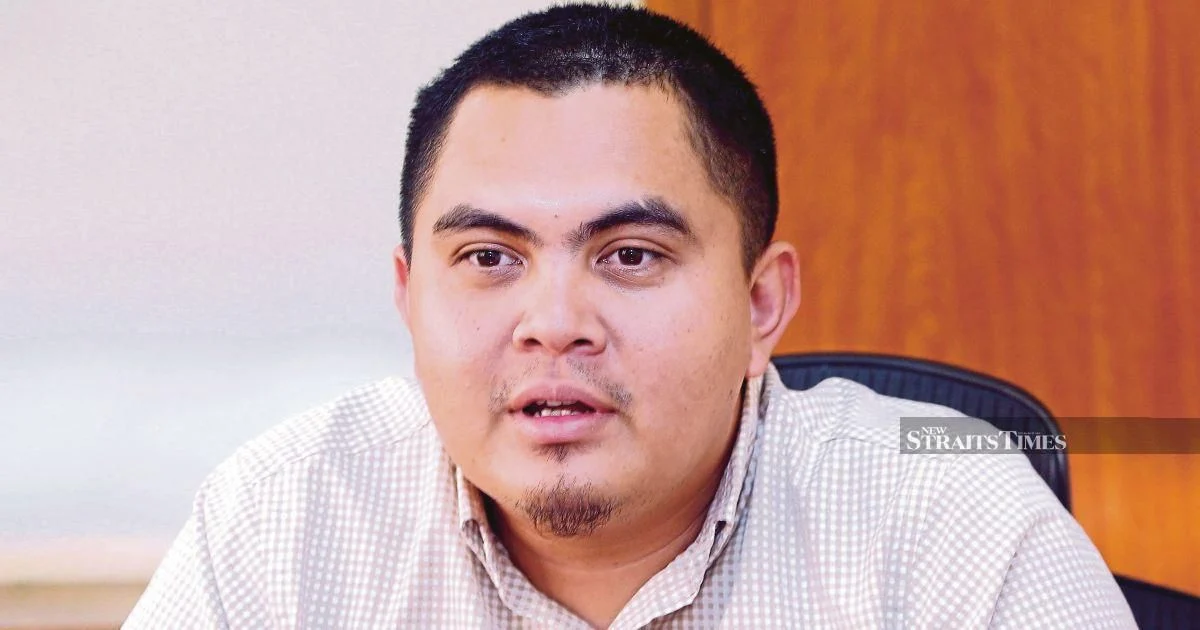
Umno's youth wing leadership has moved to dispel perceptions that Malaysia's largest Malay-Muslim political party operates on family connections, with Datuk Dr Muhamad Akmal Saleh directly confronting allegations that relatives of senior figures receive preferential treatment in electoral contests.
The Umno Youth chief's remarks carry particular significance given recurring accusations that dynastic politics has compromised the party's credibility among grassroots members and younger voters. Such charges have intensified following highly visible instances where family members of party bigwigs secured nominations or ministerial positions, sparking internal grumbling and public criticism of what detractors characterise as entrenched patronage networks.
Akmal's assertion that Umno operates on meritocratic principles rather than familial preference represents a direct challenge to a narrative that has gained traction both within opposition circles and among disaffected party members. The statement, delivered in Johor Baru, underscores ongoing tensions within the coalition regarding how candidates are vetted and nominated across federal and state constituencies.
For Malaysian political observers, this moment reflects broader questions about party governance in an era when social media amplifies perceptions of unfairness and elitism. Younger Umno members, particularly those without family connections to party leadership, have voiced frustration about what they perceive as opaque selection processes that reward dynasty over demonstrated capability or grassroots support.
The party's preoccupation with addressing such allegations reveals organisational vulnerability. Beyond rhetoric affirming merit, Umno faces practical pressure to demonstrate transparent selection mechanisms that survive public scrutiny. Whether formal reforms follow Akmal's statements will likely determine whether this messaging achieves substantive credibility or remains symbolism.
Regionally, Umno's struggle with perceptions of family politics mirrors challenges facing dominant parties across Southeast Asia. Electoral competition increasingly hinges on popular perception of fairness and representative legitimacy. Parties perceived as capturing elections for specific families rather than representing broader constituencies risk fragmenting support among aspirational members and floating voters.
The timing of Akmal's comments also matters contextually. Malaysian politics currently navigates post-pandemic recalibration, with Umno competing for relevance against Perikatan Nasional's populist messaging and renewed scrutiny of governance standards. Demonstrating organisational integrity and inclusive practices has become competitive necessity, not merely internal housekeeping.
Within Umno itself, different factions harbour distinct perspectives on candidate nomination processes. Senior leaders invested in existing hierarchies may resist transparency reforms, while ambitious members without family patronage networks actively push for systematic change. These internal dynamics create pressure on party leadership to reconcile rhetoric with institutional practice.
The reference to Puad in Akmal's rebuttal suggests specific allegations or critiques warranting response, though the exact context remains unclear from available reporting. Regardless, the exchange illustrates how family politics allegations have become sufficiently prominent within party discourse to demand repeated, high-level denial and clarification.
Moving forward, Umno's capacity to sustain credibility on meritocratic selection will depend on observable outcomes across upcoming candidate announcements and electoral contests. Mere assurances prove insufficient when previous patterns demonstrate otherwise. The party's youth chief may have initiated important repositioning, but institutional follow-through determines whether these statements translate into genuine organisational change or remain defensive posturing.
For Malaysian voters and regional observers, this moment encapsulates wider questions about Malaysia's democratic maturity. Whether leading political organisations can implement transparent, fair selection processes while maintaining internal cohesion remains contested terrain. Umno's evolving approach to candidate nomination will offer important signals regarding the trajectory of the nation's political culture.

