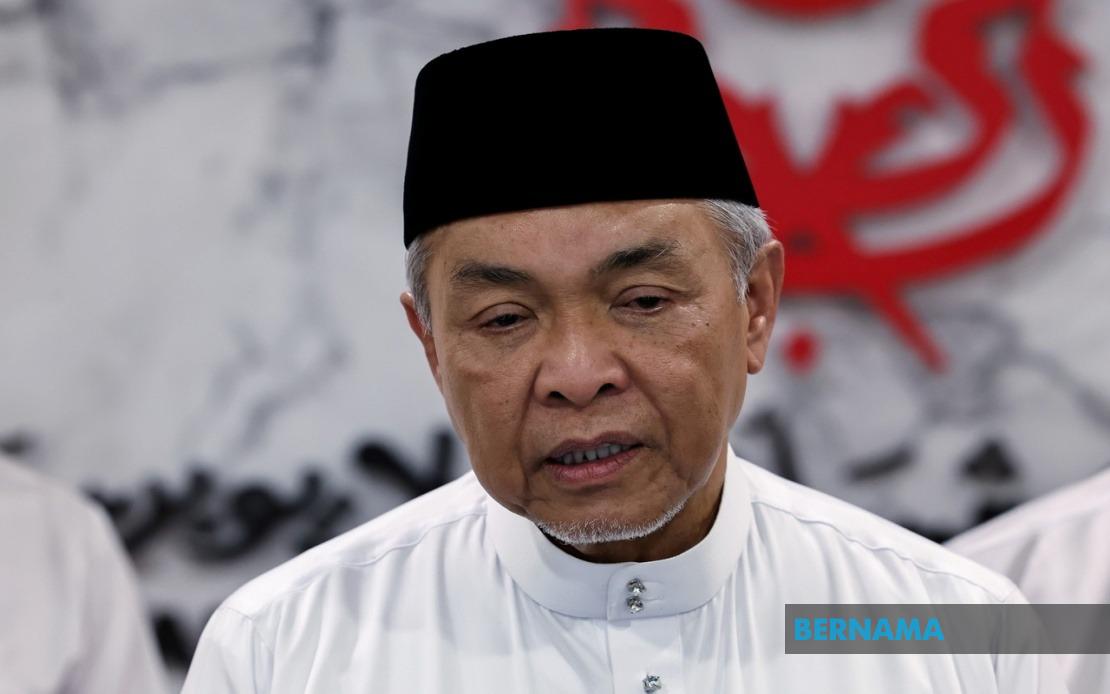
The ruling United Malays National Organisation (UMNO) has signalled its readiness to enter formal negotiations on possible coalitions for the upcoming Melaka state election, though party leadership emphasised that substantive talks will only commence following the dissolution of the state legislative assembly. UMNO president Datuk Seri Dr Ahmad Zahid Hamidi made this declaration on August 30, positioning the party for strategic discussions with potential partners as electoral preparation accelerates in the southern state.
According to Ahmad Zahid, Melaka Chief Minister Datuk Seri Ab Rauf Yusoh will serve as the primary negotiator on behalf of UMNO during these discussions. This delegation of responsibility underscores the strategic importance of the state-level position in determining the party's electoral approach. The appointment reflects both the Chief Minister's standing within the organisation and the need for someone with intimate knowledge of Melaka's political landscape to guide coalition-building efforts.
The Deputy Prime Minister drew a deliberate distinction between the informal conversations that may already be occurring between party representatives and the official negotiations that lie ahead. This careful demarcation signals UMNO's desire to maintain procedural discipline while acknowledging the reality that preliminary discussions inevitably precede formal agreements. The party appears keen to avoid premature public commitments that might constrain negotiating flexibility or invite criticism from within its own ranks.
When questioned about UMNO's stance regarding potential cooperation with Perikatan Nasional (PN), Ahmad Zahid neither confirmed nor ruled out such an arrangement, instead deferring substantive commentary until after the formal negotiation phase begins. This measured response reflects the delicate balancing act required in Malaysian coalition politics, where statements from top leadership can shift market sentiment among grassroots members and competing factions within the party structure.
Internally, UMNO has been conducting comprehensive preparations for the Melaka contest. Ahmad Zahid disclosed that he had convened the UMNO Melaka Political Bureau to assess the party's readiness and strategic positioning. These discussions yielded detailed presentations that were subsequently tabled before the UMNO Supreme Council (MKT) for comprehensive review and debate. The iterative process demonstrates the party's institutional approach to electoral planning, with multiple layers of analysis and validation before major decisions are reached.
The data compiled through UMNO Melaka's war room operations has informed these internal deliberations, providing granular insights into voter sentiment, demographic trends, and potential electoral scenarios. This intelligence-gathering apparatus reflects the professionalisation of Malaysian political campaign management, where sophisticated data analysis increasingly shapes strategic choices. The emphasis on this analytical work suggests UMNO is attempting to ground its coalition decisions in empirical evidence rather than purely factional interests.
For Malaysian observers, UMNO's careful choreography around these negotiations carries broader implications for federal politics. Any partnership arrangement in Melaka will provide signals about whether Barisan Nasional remains committed to independent governance or is inclined toward coalition arrangements with PN at the state level. Such partnerships can create momentum for similar federal-level arrangements or, conversely, can expose incompatibilities that preclude broader cooperation.
The Melaka election represents a testing ground for coalition dynamics in a state where UMNO has traditionally held significant influence but has faced competitive pressure from various opposing coalitions. How the party structures its electoral partnerships will therefore have repercussions extending beyond the state's borders, potentially influencing calculations in other upcoming electoral contests across Malaysia. Opposition parties and potential coalition partners will be closely monitoring both the announcement and the subsequent negotiation phase.
The announcement also reflects internal UMNO considerations regarding member morale and factional dynamics. By emphasising formal procedures and deliberative processes, party leadership is signalling respect for institutional decision-making and democratic processes within the organisation. This approach may help mitigate internal divisions that could otherwise undermine electoral performance if prominent factions feel marginalised from crucial strategic discussions.
Timeline considerations further shape UMNO's positioning. The party's conditional commitment to formal negotiations only after assembly dissolution creates a natural decision point while also allowing additional time for internal consensus-building. This temporal strategy provides breathing room for various UMNO constituencies to adjust to whatever coalition arrangement ultimately emerges, reducing the likelihood of surprise and consequent revolt.
The broader context of Malaysian coalition politics remains fluid, with state-level elections frequently serving as proving grounds for national-level arrangements. UMNO's deliberate approach to Melaka negotiations reflects awareness that coalition decisions carry consequences far beyond a single state's electoral calendar. Each arrangement sets precedents, establishes working relationships between party machinery, and either validates or undermines particular strategic visions for how Malaysian politics should be organised.

