UMNO's Supreme Council will gather on August 28 to resolve critical questions about the party's electoral approach in Melaka, including whether to compete independently or pursue alliances with rival political camps. The meeting, to be led by party president Datuk Seri Dr Ahmad Zahid Hamidi, represents a crucial juncture as the state's mandate approaches its December 31 expiration date and speculation intensifies about BN's path forward in the peninsular state.
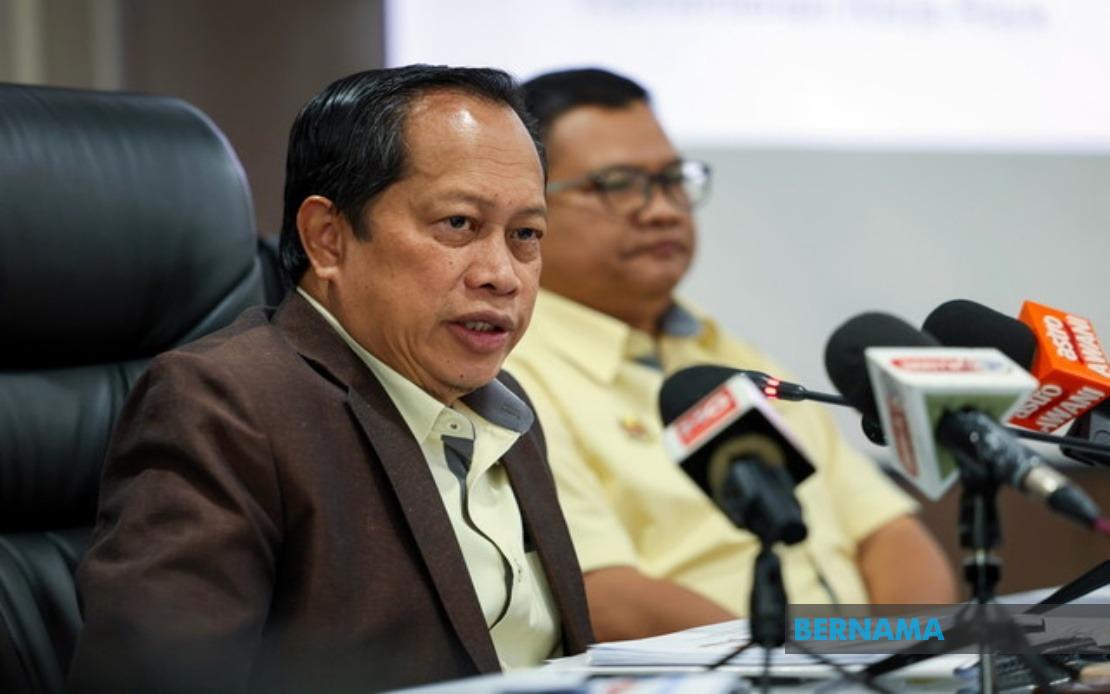
Datuk Seri Dr Ahmad Maslan, an UMNO Supreme Council member and Deputy Works Minister, indicated that no binding resolution has yet been reached on the party's electoral strategy. He acknowledged the swirl of public commentary and internal party discussions concerning potential cooperation arrangements, whether with Pakatan Harapan or Perikatan Nasional, but stressed that the leadership will now deliberate formally on these options. His remarks underscore the fluidity of Malaysian coalition politics, where arrangements shift according to local circumstances and shifting alliances.
The Melaka situation exemplifies the complex negotiation dynamics within the broader Unity Government framework established at the federal level. Currently, Barisan Nasional commands 21 of the state assembly's 28 seats following the previous election, while Pakatan Harapan holds five seats and Perikatan Nasional controls two. However, the state executive council includes representatives from both BN and PH, mirroring the power-sharing arrangement at Putrajaya and suggesting that federal-level cooperation could potentially extend into the Melaka contest.
For Malaysian political observers, the Melaka decision carries significance beyond the state itself. Melaka represents one of several state elections scheduled within the next year, and the precedent established here could influence how BN approaches contests in Johor, Terengganu, and other territories. The question of whether to maintain unity government arrangements at the state level or revert to traditional two-bloc competition will shape electoral dynamics across the country and test the durability of the federal-level consensus that has held since 2022.
UMNO's consideration of partnership arrangements reflects pragmatic calculation about electoral mathematics. In previous state contests, the party has pursued different strategies depending on local political conditions, grassroots sentiment, and perceived electoral advantage. Dr Ahmad Maslan's statement that political approaches must account for "the situation and suitability in each state" suggests that UMNO leadership recognizes there is no one-size-fits-all template and that Melaka's specific circumstances will guide the final decision.
The involvement of Perikatan Nasional in these preliminary discussions adds another layer of complexity. PAN, which has governed Perlis and maintains significant influence in several other states, represents an alternative coalition partner with its own electoral machinery and voter base. Should UMNO choose cooperation with PN rather than maintaining the federal Unity Government structure in Melaka, it would signal a recalibration of the national political landscape and potentially encourage similar realignments elsewhere.
Package Harapan's position in these negotiations remains less defined publicly, though its presence in the Melaka state government since the previous election suggests it holds negotiating power. The coalition, which includes PKR, DAP, and Amanah, must balance its interest in securing seats in Melaka against the risks of appearing opportunistic or abandoning the unity government principle that has provided political stability nationally. How PH leadership approaches the Melaka question could influence its standing within the broader coalition and its credibility with voters who view the Unity Government as essential to preventing a return to political instability.
The timing of the August 28 meeting is significant. With the state government's mandate expiring on December 31, Melaka must hold elections by year-end, likely in the fourth quarter. This compressed timeline means that decisions made at the Supreme Council meeting will cascade quickly into campaign operations, candidate selection, and public positioning. Unlike some state elections that occur with months of lead time, the Melaka contest will unfold in a compressed window, placing a premium on rapid party mobilization and clear messaging.
UMNO's deliberations also occur against the backdrop of internal party dynamics. The party has experienced leadership transitions and factional realignments in recent years, and decisions of this magnitude typically reflect broader calculations about intra-party politics, rival factions, and resource allocation. Dr Ahmad Maslan's urging that "all parties abide by any decision made" suggests leadership awareness that divergent views exist within UMNO regarding the optimal strategy, and that party discipline may require reinforcement once the decision is finalized.
For Melaka voters and business interests, the uncertainty surrounding the election framework creates a period of political suspended animation. Potential candidates across multiple parties are holding their positions pending clarity on coalition arrangements. Business communities and civil society organizations seeking to engage with political leadership face ambiguity about which parties will ultimately contest and on what terms. This transitional phase, while inevitable in Malaysian electoral cycles, nonetheless creates friction and delays in normal political commerce until framework questions are resolved.
The broader implications for Malaysian federalism are worth noting. State-level decisions about coalition participation increasingly drive national political configurations rather than following from them. If Melaka opts for an arrangement different from federal unity government principles, it will establish a precedent for decoupling state and federal political arrangements, potentially accelerating the fragmentation of coalition structures. Conversely, if UMNO chooses to extend unity government principles to Melaka, it will reinforce the notion that this framework represents the new normal for Malaysian governance, at least during this political cycle.
As UMNO prepares for its August 28 deliberations, stakeholders across the political spectrum will scrutinize the decision carefully. The choice that emerges from that meeting will reverberate through Malaysian politics, influencing not merely Melaka's electoral outcome but also signalling how the major political coalitions view their relationships, their electoral prospects, and the future trajectory of national politics. Until that decision is announced, the speculation and positioning will likely intensify.

