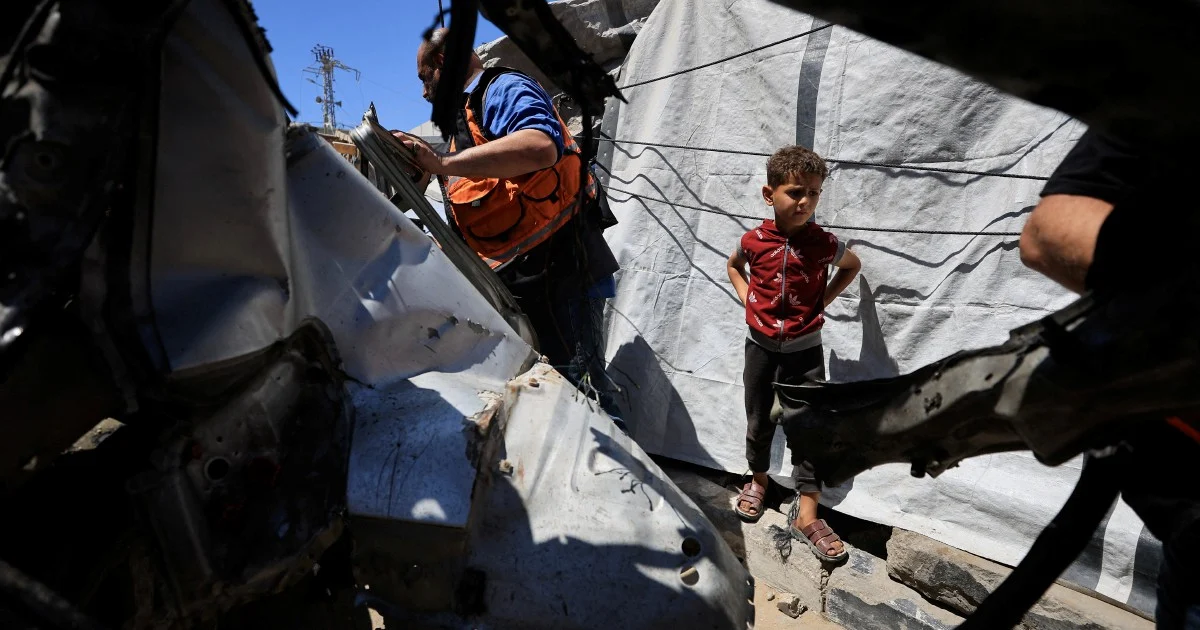
A team of United Nations investigators presented findings on Tuesday that Israel is systematically targeting Palestinian children, positioning such actions as a deliberate component of what the probe describes as ongoing genocide in the Gaza Strip. The accusations, delivered in Geneva, mark an intensification of international scrutiny into military operations in the territory and represent one of the most serious allegations levelled against Israel by a UN-mandated investigative body. Israel has dismissed the report's conclusions, contesting the characterization of its actions and the methodology employed by the investigation.
The UN probe, operating within the formal investigative framework established by international humanitarian bodies, examined patterns of attacks and civilian casualties across Gaza. Investigators concluded that the concentration of child casualties in military operations reflects a deliberate strategy rather than incidental outcomes of combat operations. The team documented evidence suggesting that children have been specifically targeted in residential areas, educational facilities, and humanitarian spaces, fundamentally challenging Israeli assertions about precision targeting and civilian protection measures.
This allegation carries profound implications for how the international community interprets events unfolding in Gaza. If substantiated through further investigation and potential international legal proceedings, such findings could expose Israeli military commanders and political leadership to accountability mechanisms under international law. The genocide designation itself represents the most severe charge available within the international legal framework, carrying implications far beyond ordinary conflict-related violations.
The report's release demonstrates the deepening rift between Israel's characterization of its military operations and assessments by independent international bodies. While Israel argues that Hamas deliberately positions military infrastructure among civilian populations, forcing difficult operational choices, the UN investigators contend that the scale and pattern of child casualties exceeds what such arguments could reasonably justify. This fundamental disagreement reflects broader disputes over proportionality, necessity, and the application of international humanitarian law in contemporary conflict.
For Malaysia and other Southeast Asian nations, the findings present a significant diplomatic consideration. Many regional governments have expressed concern about civilian casualties in Gaza while maintaining diverse positions on how to characterize Israeli actions. The UN report adds weight to arguments by those advocating stronger international responses, potentially influencing voting patterns on related resolutions in international forums. Regional balance between maintaining important economic and security relationships while responding to humanitarian concerns becomes increasingly complex as investigative bodies produce such stark allegations.
The investigation's methodology has become a point of contention, with Israel asserting that the UN team operated with predetermined conclusions and insufficient access to Israeli military perspectives and operational context. Such disputes over investigative legitimacy are common in deeply polarized international conflicts, yet they also highlight the challenge of establishing credible international accountability mechanisms that command broad acceptance. The credibility of future investigations may depend substantially on how thoroughly they address methodological critiques.
The timing of the report's release reflects ongoing tensions in international forums regarding Gaza. Multiple investigative bodies, including those at the International Criminal Court, are examining potential violations of international law by various parties to the conflict. The accumulation of such reports, regardless of their conclusions, shapes international opinion and can influence policy decisions by nations seeking to calibrate their responses appropriately. For countries in Southeast Asia seeking balanced approaches, such reports complicate already difficult diplomatic positions.
The specific focus on children as deliberate targets adds a visceral dimension to international discussions that transcends technical legal arguments. Child casualties resonate powerfully across cultures and religious traditions, creating broader public pressure on governments to respond substantively. In Southeast Asian contexts where significant Muslim populations exist, such findings can mobilize public opinion and create domestic political pressure on governments regardless of their official positions on the broader conflict.
Looking forward, the UN investigation's conclusions are likely to feature prominently in ongoing legal proceedings, diplomatic negotiations, and humanitarian advocacy. Whether these findings influence actual policy changes or international accountability mechanisms remains uncertain, particularly given the geopolitical complexities surrounding Israel and the divergent interests of major powers. For Malaysia and regional neighbors, however, the report underscores the importance of maintaining principled stances on civilian protection while engaging constructively in international forums addressing the conflict.

