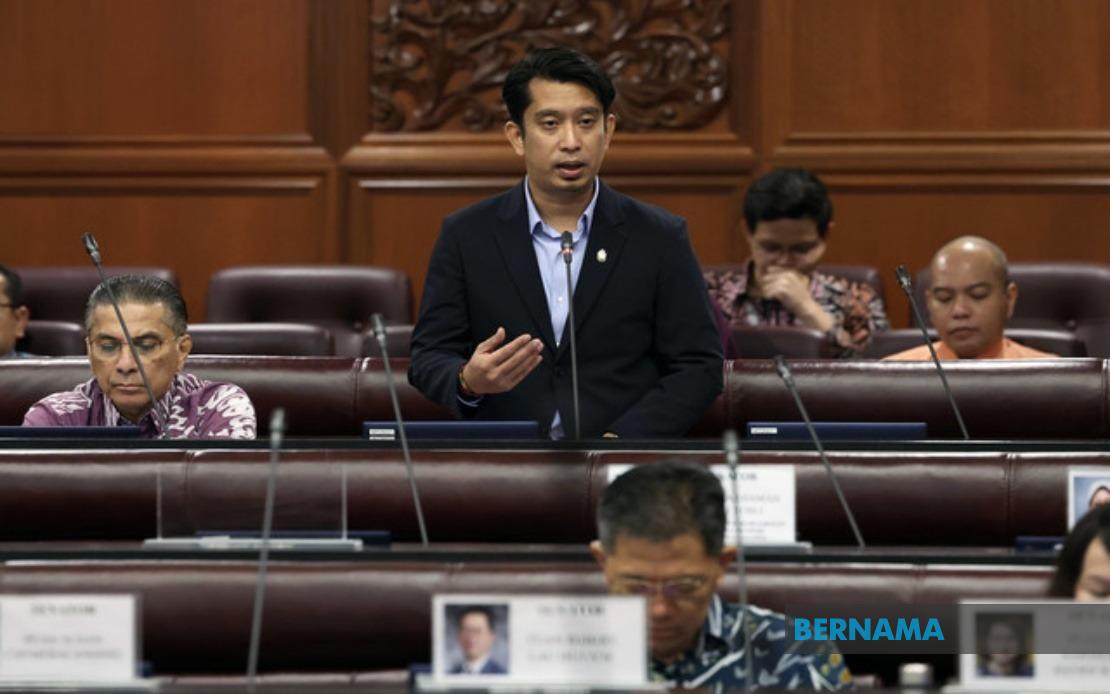
Higher learning institutions across Malaysia have the authority to withdraw students from industrial training placements and terminate internship arrangements should credible safety concerns emerge, Deputy Higher Education Minister Adam Adli Abd Halim stated during a parliamentary session. The announcement came as part of broader measures aimed at protecting the nation's student workforce engaged in workplace training programmes, following a tragedy that claimed the life of a Universiti Putra Malaysia student during a routine maintenance task.
The policy framework allows universities to take decisive action based on two triggering mechanisms: internal safety assessments conducted by the institution itself, or formal reports submitted by students that indicate immediate intervention is necessary. This dual-pathway approach acknowledges that safety risks may be identified either through institutional oversight or through direct accounts from trainees experiencing hazardous working conditions. The flexibility in triggering withdrawal decisions reflects recognition that different situations may require different response mechanisms, with students positioned as active participants in their own safety monitoring.
The government's position on this matter carries added weight given recent developments in Malaysia's industrial training landscape. The tragic incident at Saujana 1 water tower in Kuala Selangor on June 16, where a UPM student lost his life while performing maintenance operations, underscored the very real dangers that can materialise within the industrial training environment. That fatality prompted parliamentary scrutiny and highlighted the need for more robust protective frameworks. Adam Adli acknowledged the gravity of such incidents during the Dewan Negara session, expressing regret over student accidents and emphasising the government's commitment to strengthening monitoring and reporting mechanisms.
Universities are now being encouraged to adopt more rigorous screening processes before approving any industrial training placements. Rather than accepting placements on a largely administrative basis, institutions should now conduct comprehensive evaluations of prospective host organisations. These assessments should examine the company's historical safety record, previous incident reports, industry reputation, and demonstrated commitment to occupational health standards. This preventive approach aims to filter out potentially problematic placements before students are ever exposed to them, reducing reliance on reactive withdrawal decisions.
Industries classified as high-risk present particular concerns and require elevated precautions. Under the new guidance, students can only be placed with organisations in high-risk sectors if those companies have fully complied with mandatory safety requirements and possess functional, comprehensive safety management systems. This tiered approach recognises that workplace hazards vary significantly across sectors. Industries involving construction, chemical processing, water infrastructure maintenance, and manufacturing equipment operation demand stricter vetting than lower-risk office or service-based placements.
Preparatory requirements have been strengthened to ensure students entering high-risk environments possess foundational safety knowledge. Before commencing their industrial training, students must complete relevant safety courses and obtain certifications specific to their industry. These qualifications ensure that trainees understand hazard recognition, safe work practices, and emergency protocols before stepping onto a workplace where errors could prove fatal. The emphasis on pre-placement training represents a significant shift from assuming on-the-job training would suffice for safety awareness.
Once placements begin, students undergo comprehensive induction programmes covering multiple safety dimensions. These programmes address workplace safety fundamentals, occupational health considerations, systematic risk management, correct use and maintenance of personal protective equipment, emergency response procedures, and mechanisms for reporting incidents or hazards. Such comprehensive orientation acknowledges that students, particularly those in their first internship experience, cannot be expected to independently identify or navigate workplace risks without structured guidance.
Continuous monitoring during the training period provides ongoing oversight beyond initial induction. Both academic supervisors from the university and industry supervisors at the host organisation maintain regular contact with trainees through scheduled site visits, virtual check-ins where appropriate, review of submitted progress reports, and responsive communication channels. This dual-supervisor model ensures that students have advocates from both institutional and workplace perspectives, reducing the likelihood that emerging issues go unnoticed or unaddressed.
Financial protections complement procedural safeguards through the University Group Insurance Scheme, which covers all industrial training students. This insurance provides compensation and support should students sustain injuries or encounter accidents during their training period. While insurance cannot prevent incidents, it ensures that students and families are not left bearing the financial burden of workplace accidents, and it incentivises institutions to maintain rigorous safety standards knowing they share responsibility for student welfare.
The policy framework reflects evolving international best practices in managing student workplace placements, aligning Malaysia with standards observed in developed economies that have prioritised student safety in vocational training. For Malaysian universities, these measures represent acknowledgment that industrial training, while providing invaluable practical experience, must never compromise student safety. The emphasis on prevention, preparation, monitoring, and decisive action when risks emerge creates multiple defensive layers rather than relying on any single protective mechanism.
Sector-wide implementation of these guidelines will require coordination between the Higher Education Ministry, individual universities, industry bodies, and host organisations. Universities must develop robust vetting procedures and maintain detailed safety databases. Companies must demonstrate transparent safety records and maintain functioning safety systems. Students must understand their rights to report concerns without fear of retaliation. This ecosystem approach to student safety represents a meaningful evolution from earlier practices where placements were sometimes treated as purely transactional arrangements between institutions and employers, with student welfare as a secondary consideration.

