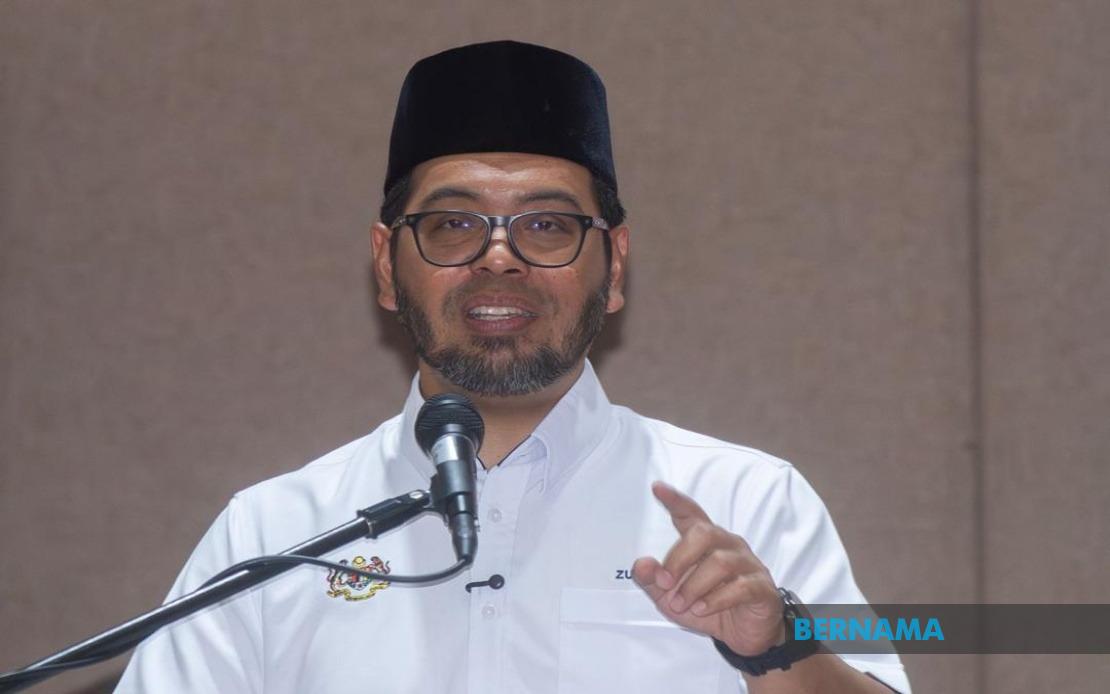
Unregistered marriages remain a significant concern in Malaysia's Muslim communities, with far-reaching consequences for the legal status and wellbeing of children and spouses alike. Religious Affairs Minister Dr Zulkifli Hasan raised this issue during the launch of the 2026 Federal Territories Syariah Law Literacy Programme in Labuan, emphasising that the complications arising from failing to formally register a marriage extend well beyond administrative inconvenience. The minister pointed out that despite decades of cohabitation, some couples continue to bypass the legal marriage registration process, while others have sought solemnisation outside their jurisdiction or through unauthorised registrars who do not comply with the requirements set out in the Islamic Family Law (Federal Territories) Act 1984 (Act 303).
The ramifications for children are particularly acute and multifaceted. Without proper marriage registration, obtaining a birth certificate becomes significantly more difficult, a foundational document essential for participation in Malaysian society. The absence of such certificates cascades into broader obstacles, preventing children from enrolling in school or accessing government-provided healthcare services. These institutional barriers not only disrupt education and health outcomes but also threaten a child's legal identity and citizenship status. The situation becomes even more complicated when questions arise about a child's lineage and genealogical standing, matters of considerable importance within Islamic legal tradition and broader Malaysian legal frameworks.
Spouses, particularly wives, face their own vulnerabilities when marriage registration is neglected or avoided. Without official recognition of their union, women struggle to claim maintenance payments known as nafkah, or to receive the customary gift known as mutaah should the marriage dissolve. The financial security that marriage registration provides is stripped away, leaving spouses without legal recourse to support themselves or their dependents. This gender-specific vulnerability has implications for family stability and the protection of economically dependent partners.
The succession and inheritance complications that emerge following a death highlight another dimension of this problem. Islamic inheritance law, or faraid, operates within a framework that depends upon clearly established matrimonial status and blood relationships. When marriages have not been formally registered, disputes over property division, guardianship of minors, and rightful heirs frequently erupt within grieving families. These conflicts, Dr Zulkifli warned, can fracture family relationships and generate legal uncertainty that persists for years. The financial stakes are high, and the emotional toll on vulnerable family members, particularly children and elderly relatives, can be devastating.
The minister's acknowledgment that some couples have persisted in unregistered marriages for decades suggests that this is not merely an isolated problem affecting recent generations. Rather, it points to persistent gaps in awareness, accessibility of registration services, or cultural attitudes toward formal documentation. This generational accumulation of unregistered unions means that the issue has compounded over time, affecting multiple cohorts of children and dependents. Addressing the backlog requires both retrospective solutions for existing cases and forward-looking prevention to ensure that future couples understand the necessity of registration.
The approach taken by the Prime Minister's Department and its religious affairs portfolio deliberately eschews punitive measures in favour of facilitation and support. Dr Zulkifli stressed that the initiative is designed to help, facilitate and resolve registration and verification issues comprehensively, rather than to penalise those who have found themselves in irregular situations. This framing is significant because it removes a potential barrier to compliance—namely, fear of legal consequences—and instead positions registration as a protective mechanism for families. Interactive counters established during the literacy programme allow individuals with outstanding registration concerns to approach trained officers for guidance.
The cooperation of multiple agencies in delivering this programme underscores the complexity and interconnectedness of the issue. The Federal Territories Syariah Prosecution Department works alongside the Federal Territories Syariah Court, the Federal Territories Islamic Religious Department (JAWI), the Federal Territories Islamic Religious Council (MAIWP), the Legal Aid Department, the Federal Territories Mufti Department, Tabung Haji, and Yayasan Pembangunan Ekonomi Islam Malaysia (YAPEIM). Each organisation contributes its own expertise and resources, ranging from legal advice to financial guidance, reflecting the multidimensional nature of family law compliance.
For Malaysian readers, particularly those in the Federal Territories, the implications are practical and immediate. Couples who have delayed or avoided marriage registration should recognise that doing so leaves their children and themselves exposed to preventable legal and administrative complications. The literacy programme represents an opportunity for these individuals to address their situation without fear of prosecution. Furthermore, the emphasis on education and awareness suggests that the government views this as partially a problem of information asymmetry, where many couples may simply be unaware of the consequences of their choices.
The broader Southeast Asian context also matters here. Malaysia's relatively well-developed legal and administrative infrastructure means that the gaps in marriage registration are more anomalous than in some neighbouring countries where informal marriages remain more common. This makes the Malaysian situation instructive: it demonstrates that formal registration systems, even when well-established, require ongoing maintenance through public education and accessible services to remain effective. The successful resolution of outstanding cases depends not only on sympathy and support from authorities but also on genuine engagement from affected individuals.
Dr Zulkifli's framing of syariah law compliance as a form of protection rather than a burden is worth considering carefully. This rhetorical shift reflects a deeper attempt to reshape cultural attitudes toward formal legal processes. If marriage registration is understood as a safeguard that prevents disputes and secures the future of families, compliance becomes not an imposition but an investment in family security. This messaging is particularly important in contexts where suspicion of government processes or informal social arrangements have historically discouraged formal registration.
Looking ahead, the success of the 2026 programme will likely influence how the government handles similar registration and compliance issues in other areas. The combination of amnesty-like provisions, accessible service points, and multi-agency cooperation could serve as a model for addressing other administrative backlogs within the syariah and civil law systems. For policymakers across Malaysia and the region, this initiative offers lessons about how to convert compliance problems into opportunities for strengthening family law infrastructure and protecting vulnerable populations, particularly children whose futures depend on the legal recognition and stability of their parents' unions.

