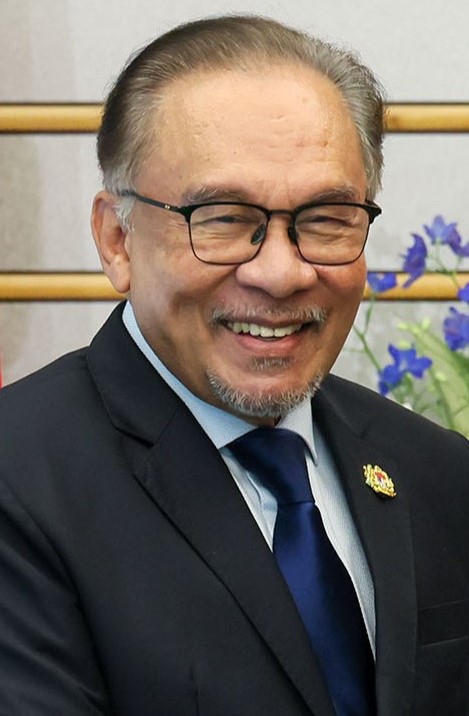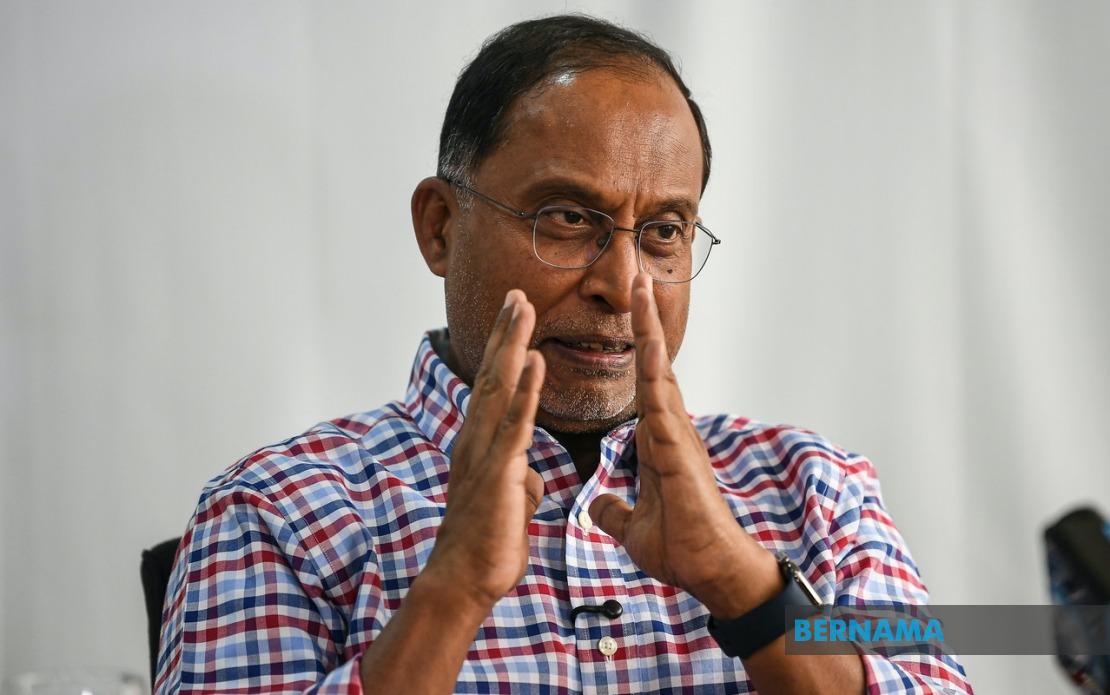
Datuk Seri Dr Zambry Abd Kadir, Malaysia's Higher Education Minister, has sounded an alarm over escalating claims that between 30,000 and 60,000 students may have gained entry to public universities through unauthorised channels. In a forceful statement, Zambry characterised these allegations as potentially damaging to the reputation of the nation's institutions and warned they could fundamentally undermine the confidence parents and prospective students place in the admission process.
The controversy centres on accusations that positions reserved for academically qualified applicants have been diverted for financial consideration or through personal connections. Zambry stressed that such narratives carry particular weight during critical periods when families are deciding which institutions their children will attend. The timing of these allegations creates a compounded risk: not only do they question the fairness of past selections, but they may also discourage genuine applicants from trusting the system going forward.
At the heart of Zambry's response lies a demand for empirical support. He emphasised that allegations of this magnitude cannot be sustained through hearsay or conjecture alone. Rather, those making such claims must furnish concrete evidence, methodologically sound data, and verifiable facts demonstrating how students were admitted outside established procedures. Without these foundations, Zambry argued, the accusations amount to nothing more than baseless rhetoric that serves only to tarnish institutions without advancing legitimate accountability.
The minister underscored that Malaysia's public university admission framework operates through what he described as transparent, merit-based mechanisms anchored in clearly defined eligibility criteria. This assertion assumes particular importance in a regional context where university selection systems across Southeast Asia vary significantly in their openness and standardisation. Malaysia's commitment to transparent processes, if upheld rigorously, provides a competitive advantage in attracting both domestic and international students who value institutional integrity.
Zambry's position also reflects a broader tension between safeguarding academic freedom and preventing the weaponisation of unverified claims. He drew a deliberate distinction between legitimate criticism and inflammatory allegations, arguing that freedom of speech—a cornerstone of democratic discourse—does not extend to making serious accusations without factual foundation. This framing acknowledges that responsible public discourse depends on mutual commitment to evidence-based argument, particularly when institutional reputations hang in the balance.
In response to the allegations, several public universities have taken the significant step of lodging police reports. This escalation signals institutional seriousness about addressing the claims, though it also represents an unusually confrontational approach to what might otherwise be resolved through administrative or academic channels. The police involvement suggests authorities view the allegations as potentially criminal in nature, should they prove substantiated—a development that could have ramifications for both individual administrators and broader public confidence in higher education governance.
Zambry's framing of the police action as necessary rather than retaliatory deserves scrutiny. He explicitly stated that investigating the allegations through legal channels represents an effort to ensure proper accountability, not an attempt to silence critics. This distinction matters because Malaysia has historically faced international scrutiny regarding press freedom and the investigative treatment of government critics. How authorities handle these university admission inquiries will signal whether the government genuinely welcomes transparency or merely seeks to discredit inconvenient questions.
The minister also signalled openness to constructive criticism aimed at system improvement, a rhetorical gesture that acknowledges legitimate space for institutional self-examination. However, the qualifier—that such criticism must be evidence-based—establishes a high bar. For observers seeking accountability reforms, this presents both an opportunity and a challenge: demonstrating genuine flaws requires mobilising comprehensive data rather than anecdotal observations or allegations.
Context matters considerably here. Malaysian universities compete regionally for talent and reputation. Allegations of systemic admission irregularities, if left unchallenged, could damage Malaysia's standing as an educational hub alongside established competitors like Singapore and Australia. Conversely, overzealous efforts to defend institutional reputation without conducting transparent internal reviews could appear equally damaging to public trust. The balance Zambry attempts to strike—defending institutions while signalling willingness to investigate—reflects this precarious position.
The Ministry of Higher Education's commitment to maintaining institutional integrity depends fundamentally on demonstrating that admission systems work as designed. This requires more than ministerial assurances; it demands visible, transparent mechanisms through which the public can verify that merit-based selection is occurring. Universities might consider publishing anonymised admission statistics, explaining selection methodologies in detail, and establishing independent oversight bodies to audit procedures.
For Malaysian parents and students, these dynamics create legitimate anxiety during the university selection period. Trust in higher education institutions represents social capital that institutions accumulate gradually but can lose rapidly. The current controversy illustrates how allegations—regardless of their veracity—create space for doubt. Resolving this situation comprehensively will likely require more than regulatory responses; it will demand genuine institutional transparency and perhaps structural reforms that demonstrate commitment to merit-based fairness beyond political rhetoric.